
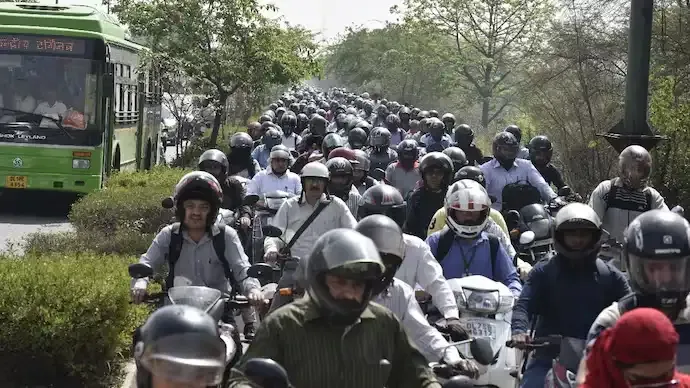
The Delhi government has unveiled a new Electric Vehicle (EV) Policy that will stop the registration of new petrol-powered two-wheelers from April 1, 2028. Instead of focusing first on cars, the policy prioritises motorcycles, scooters and three-wheelers as part of the capital's transition toward cleaner transportation.
The move aims to significantly increase electric vehicle adoption while reducing pollution in one of India's most congested cities.
Featured Snippet
Delhi's EV Policy will prohibit the registration of new petrol-powered two-wheelers from April 1, 2028. The government is focusing on bikes and three-wheelers first because they make up the majority of vehicles on Delhi's roads and contribute significantly to emissions.
Key Highlights
- New petrol two-wheelers cannot be registered from April 1, 2028.
- Electric bikes and scooters will replace new petrol models.
- Two-wheelers make up nearly two-thirds of Delhi's registered vehicles.
- Three-wheelers are also a major focus of the policy.
- The government aims for at least 30% vehicle electrification by 2030.
Why Is Delhi Focusing on Bikes First?
Two-wheelers dominate Delhi's transport network.
According to the government, motorcycles and scooters account for nearly two-thirds of all registered vehicles in the city, making them the largest category of personal transport.
By encouraging electric adoption in this segment first, authorities expect to achieve faster and broader reductions in vehicle emissions.
Petrol Bike Registration to End in 2028
Under the new policy:
- Registration of new petrol-powered two-wheelers will stop from April 1, 2028.
- Residents purchasing a new two-wheeler after that date will need to choose an electric model.
- Existing petrol bikes already registered will not automatically become illegal under this announcement.
The policy applies to new vehicle registrations, not current ownership.
Why Three-Wheelers Are Also a Priority
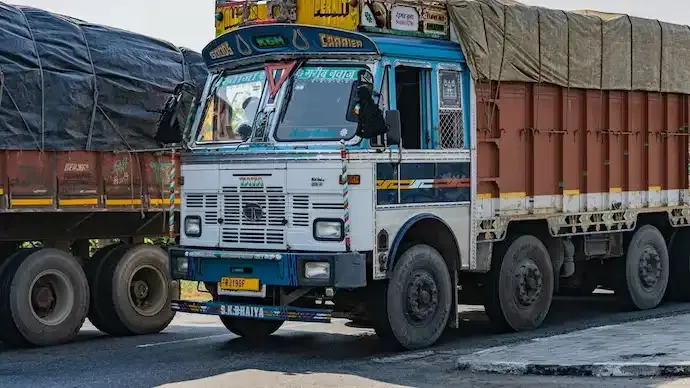
The government has also prioritised three-wheelers because they are widely used for:
- Passenger transport.
- Last-mile connectivity.
- Commercial operations.
- Urban mobility.
Electrifying this segment could help reduce fuel consumption and improve air quality across the city.
Delhi's EV Target
The government's long-term objective is to ensure that at least 30% of Delhi's vehicle fleet becomes electric by March 31, 2030.
The policy is intended to support:
- Cleaner air.
- Reduced dependence on fossil fuels.
- Lower vehicle emissions.
- Sustainable urban transport.
What About Cars?
While electric cars remain part of Delhi's broader mobility plans, officials have chosen to prioritise the vehicle categories that dominate daily traffic.
Since two-wheelers vastly outnumber cars on Delhi's roads, policymakers believe focusing on them first could deliver quicker environmental benefits.
Why the Policy Matters
Delhi has long struggled with severe air pollution and traffic congestion.
Expanding electric mobility is viewed as one of several measures aimed at improving urban air quality while supporting India's transition toward cleaner transportation technologies.
Conclusion
Delhi's latest EV policy marks a significant shift in the city's transport strategy by targeting the largest category of vehicles first. By prioritising motorcycles, scooters and three-wheelers, the government hopes to accelerate electric vehicle adoption, reduce emissions and move closer to its goal of a cleaner and more sustainable transport system by 2030.
FAQs
1. When will new petrol bike registrations stop in Delhi?
From April 1, 2028, new petrol-powered two-wheelers will no longer be eligible for registration.
2. Will existing petrol bikes be banned?
The announcement relates to new registrations, not existing registered vehicles.
3. Why are two-wheelers being targeted first?
They account for nearly two-thirds of all registered vehicles in Delhi.
4. Are three-wheelers included?
Yes. The policy also prioritises the electrification of three-wheelers.
5. What is Delhi's EV target?
The government aims to achieve at least 30% electrification of the city's vehicle fleet by March 31, 2030.
6. Why is the EV policy important?
It seeks to reduce pollution, promote clean mobility and accelerate the adoption of electric vehicles.





Conversation
Be kind and stay on topic. Comments are moderated; abuse, spam and personal attacks are removed. Report a problem