

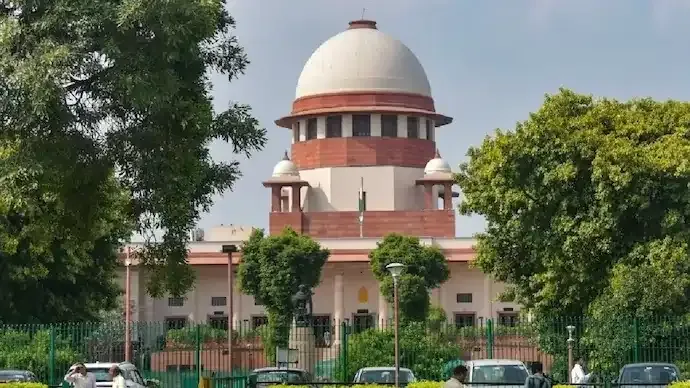
The Supreme Court has refused to interfere with the Central Board of Secondary Education's (CBSE) special assessment scheme for Class 12 students in Gulf countries whose Board examinations were cancelled because of the conflict in West Asia.
A Bench comprising Justice M.M. Sundresh and Justice Prasanna B. Varale disposed of a batch of petitions challenging the evaluation policy adopted by CBSE for the 2025–26 academic session. While declining the students' request to appear alongside compartment candidates, the court recorded the Board's assurance that a special examination would be conducted as soon as circumstances permit.
Supreme Court Declines Students' Request
The petitioners had requested permission to take their cancelled Board examinations along with students appearing for CBSE compartment exams, arguing that the existing assessment formula could adversely impact their academic future.
However, the Supreme Court declined to grant the relief, holding that it would not interfere with the Board's assessment policy. At the same time, the Bench ensured that CBSE's commitment to conduct a fresh examination at the earliest feasible opportunity formed part of the court record.
The matter was disposed of with the observation that affected students should be able to compete in the next examination cycle and continue their higher education without unnecessary delay.
Why Gulf Students Challenged the CBSE Assessment Scheme
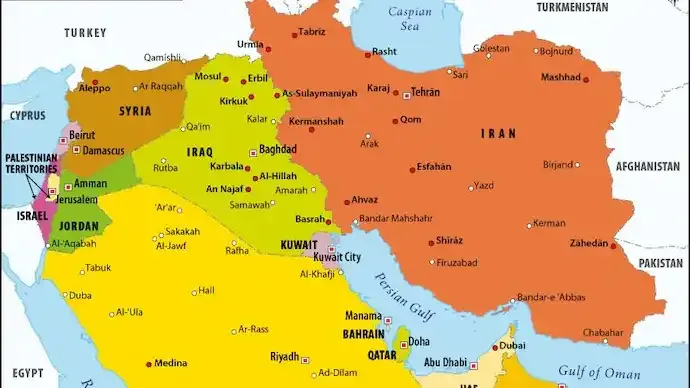
The petitions were filed by students studying in CBSE-affiliated schools across Saudi Arabia, the United Arab Emirates, Kuwait, Qatar, Oman and Bahrain.
Several Class 12 Board examinations in these countries were cancelled earlier this year due to security concerns arising from the conflict in West Asia.
To declare results, CBSE introduced a special assessment policy on March 27 under which marks for cancelled subjects were calculated using school-based assessments, including:
- Quarterly examination marks
- Half-yearly examination scores
- Pre-board examination performance
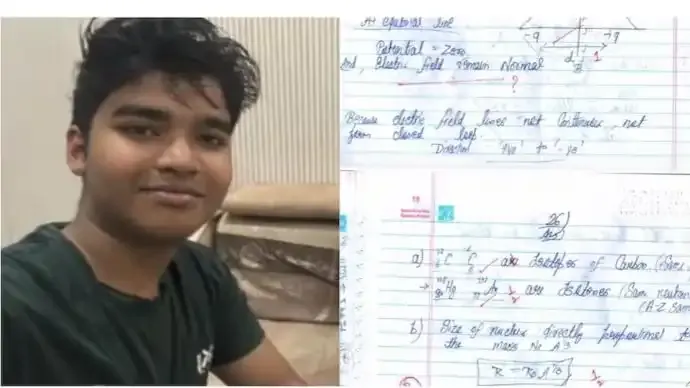
Students argued that the formula did not accurately reflect their Board examination preparedness and could disadvantage those who generally perform better in final examinations than in internal assessments.
Admission Concerns Raised by Students
The petitioners told the Supreme Court that the assessment policy had affected students seeking admission to engineering and other professional courses.
According to the plea, some students who qualified in JEE Main were unable to meet the minimum 75% aggregate eligibility required under admission categories such as:
- Direct Admission of Students Abroad (DASA)
- Children of Indian Workers in Gulf Countries (CIWG)
The students also claimed that some candidates were declared failed or placed in the compartment category despite maintaining a consistent academic record throughout school.
CBSE Assures Fresh Examination
During the hearing, CBSE defended its assessment policy, stating that it was introduced to ensure timely declaration of results after examinations were cancelled due to extraordinary circumstances.
The Board informed the court that students dissatisfied with their assessed marks would be given another opportunity to appear for a special examination once conditions become suitable.
Solicitor General Tushar Mehta, appearing for CBSE, also assured the court that the Board was prepared to facilitate:
- Special examinations for affected students
- Faster verification and re-evaluation of marks
- Provisional admissions wherever possible
The measures, CBSE said, would apply not only to the petitioners but to nearly 23,052 affected students across Gulf countries.
Court Leaves Timeline to CBSE
The Supreme Court also took note of discussions regarding reducing the time required to conduct the fresh examination from 82 days to around 70 days.
However, the Bench left the decision to the competent authorities, observing that the practical feasibility of conducting the examination should be determined by CBSE.
With the petitions disposed of, the Board is now expected to schedule the special examination at the earliest feasible opportunity, allowing affected students to improve their scores and pursue higher education.

Conversation
Be kind and stay on topic. Comments are moderated; abuse, spam and personal attacks are removed. Report a problem