

The Bar Council of India (BCI) has defended its commitment to protecting law students after the Supreme Court strongly criticised its now-withdrawn directive that temporarily barred the enrolment of 2026 graduates of NALSAR University of Law as advocates.
BCI Chairman Manan Kumar Mishra said the controversy has been resolved following the withdrawal of the circular and assured that the Council would present its position before the Supreme Court during the next hearing.
BCI Says Matter Is Closed
Speaking after the Supreme Court's observations, Mishra said the Bar Council has always worked in the interests of students and lawyers.
"The matter has now reached the Supreme Court. We will explain our stand before the court during the next hearing. As of now, the issue stands closed. The BCI exists to protect the rights and interests of law students and advocates," he said.
His remarks came a day after the Bar Council revoked its controversial directive amid widespread criticism from the legal fraternity and student community.
Why Did the Controversy Begin?
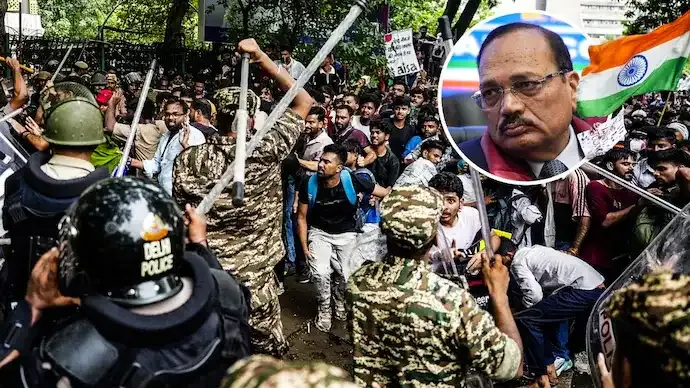
The dispute began when the Bar Council instructed all State Bar Councils not to enrol the 2026 graduating batch of NALSAR University of Law, Hyderabad, following protests by students over the proposed participation of Chief Justice of India Surya Kant at the university's convocation ceremony.
The decision sparked strong reactions from legal experts, students and senior advocates, who questioned why an entire graduating batch should face consequences over protests involving only a section of students.
Following mounting criticism, the BCI withdrew the directive, stating that the overwhelming majority of students should not suffer because of the alleged actions of a few individuals.
Supreme Court Pulls Up the Bar Council
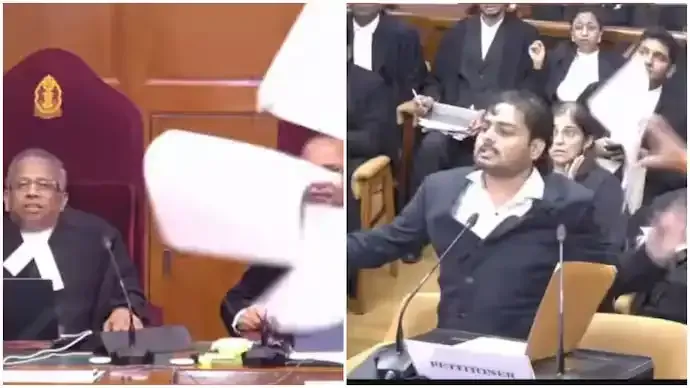
While hearing a petition challenging the directive, a Bench headed by Chief Justice Surya Kant questioned the Bar Council's intervention in the matter.
The court observed that students have the democratic right to express dissent and questioned why the Bar Council had chosen to interfere in an issue involving the university administration and students.
The Bench orally remarked that the directive was "absolutely unnecessary" and directed that no punitive action should be taken against the students.
The Supreme Court also issued notice to the Bar Council of India, seeking its response to the petition and scheduled the next hearing after two weeks.
Background of the Student Protest
The student protest at NALSAR was linked to wider dissatisfaction over recent public remarks made by the Chief Justice, which had triggered nationwide debate and criticism.
The controversy later became intertwined with broader student protests surrounding education-related issues, including demands linked to the NEET examination controversy.
Against this backdrop, some NALSAR students opposed the Chief Justice's proposed participation in their convocation, eventually leading to the Bar Council's controversial directive.
What Happens Next?
Although the BCI has withdrawn its order, the legal challenge remains pending before the Supreme Court.
The Bar Council is expected to file its response explaining the circumstances under which the directive was issued.
The upcoming hearing is likely to determine whether any further judicial observations are required on the powers of professional regulatory bodies in matters involving student protests and enrolment.
Key Takeaways
- BCI Chairman Manan Kumar Mishra said the Council stands for protecting students' and lawyers' rights.
- The Bar Council has withdrawn its directive barring enrolment of NALSAR's 2026 graduates.
- The Supreme Court criticised the order, calling it unnecessary.
- The court observed that students have the right to protest peacefully.
- The matter will be heard again in the Supreme Court after two weeks.


Conversation
Be kind and stay on topic. Comments are moderated; abuse, spam and personal attacks are removed. Report a problem