
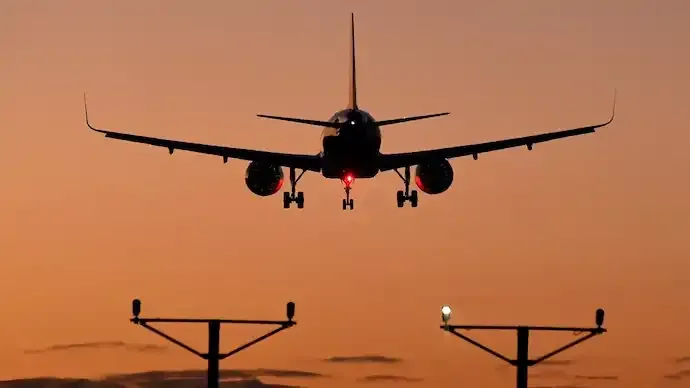
India’s aviation regulator has introduced strict safety guidelines for flights carrying VIPs and VVIPs, making it clear that pilots and crew must not face any undue pressure while operating aircraft. The move is aimed at strengthening safety standards in high-profile aviation operations.
The new rules apply to non-scheduled aircraft and helicopter operators involved in transporting dignitaries such as chief ministers, governors and other top officials.
No Compromise on Safety Under Any Circumstances
The regulator has emphasized that safety must remain the top priority during VVIP flight operations. Operators are required to ensure that all flights strictly follow existing aviation rules, regulations and official instructions.
A key highlight of the guidelines is that pilots should not be forced to undertake flights under conditions that may compromise safety. Any attempt to influence operational decisions is strictly discouraged.
Crew Must Remain Free From External Pressure
The guidelines clearly state that flight crew, including pilots and engineers, must have complete authority over operational decisions. Whether it is continuing, diverting or cancelling a flight, their judgment must be respected at all times.
Additionally, any last-minute changes in flight plans due to VIP requirements must be handled through management channels rather than communicated directly to the crew. This step is intended to prevent unnecessary pressure on pilots.
Lessons From Past Incidents and Accidents
The new directives come in the backdrop of past aviation incidents involving VIP travel, where investigations revealed lapses in safety protocols. These included violations during operations from temporary airstrips and helipads, especially during high-pressure situations such as election campaigns.
Authorities noted that such environments often involve tight schedules, frequent route changes and challenging landing conditions, increasing the risk factor.
Special Norms for Election-Related Flights
For flights related to election activities, operators are required to appoint a responsible individual to oversee operations. This person will ensure compliance with all guidelines issued by aviation authorities and other concerned bodies.
The designated official must coordinate with multiple agencies and ensure that all safety instructions are followed without exception. Their details must be submitted before such operations begin.
Minimum Experience Criteria for Pilots
To further enhance safety, the regulator has set minimum experience requirements for pilots handling VVIP flights. The Pilot in Command must have at least 3,000 flying hours for aircraft operations, while helicopter pilots must have a minimum of 2,000 hours of flying experience.
These criteria are aimed at ensuring that only highly experienced professionals handle critical flights involving dignitaries.
Strict Weather and Operational Compliance Mandatory
The guidelines also stress the importance of adhering to weather conditions and proper pre-flight briefings. Pilots are required to follow weather minima rules strictly before undertaking any flight.
Given the demanding nature of VVIP and election-related flying, the regulator highlighted the need for professionalism, precision and disciplined execution at every stage of flight operations.


Conversation
Be kind and stay on topic. Comments are moderated; abuse, spam and personal attacks are removed. Report a problem