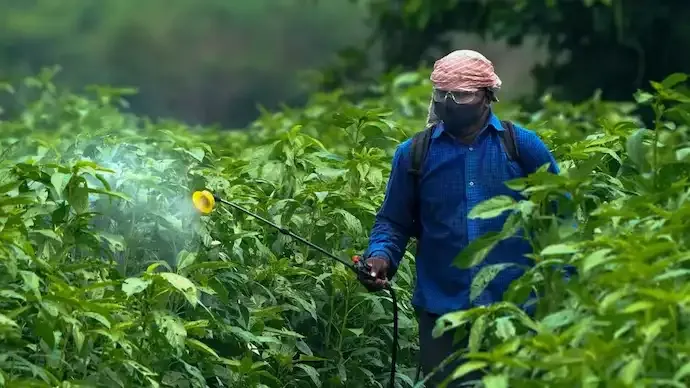
A growing debate over glyphosate residues in imported pulses and soybeans has reignited concerns about food safety standards in India. The discussion centers on whether current regulations adequately protect consumers while balancing the country's dependence on food imports and international trade commitments.
The controversy has emerged following scrutiny of regulatory documents, import standards, and international residue limits for glyphosate, one of the world's most widely used herbicides.
Food safety experts, policymakers, and consumer groups are increasingly examining whether India's approach to glyphosate regulation aligns with public health priorities and global scientific evidence.
What Is Glyphosate?
Glyphosate is a broad-spectrum herbicide widely used around the world to control weeds in agricultural fields.
It is commonly applied to crops such as:
-
Soybeans
-
Pulses
-
Corn
-
Wheat
-
Cotton
Farmers in several countries use glyphosate both during cultivation and, in some cases, before harvest to dry crops and facilitate harvesting.
Because of its extensive use, trace amounts of glyphosate residues can sometimes remain in food products entering international markets.
Why Has Glyphosate Become Controversial?
The herbicide has remained the subject of global scientific and regulatory debate for years.
One of the most cited developments occurred when the International Agency for Research on Cancer classified glyphosate as a "probable carcinogen" in 2015.
However, other regulatory agencies around the world have reached different conclusions after reviewing available evidence.
Authorities in several countries continue to permit glyphosate use under regulated conditions, while others have imposed restrictions or debated potential bans.
The differing assessments have contributed to ongoing discussions regarding acceptable residue levels in food products.
Concerns Over Imported Pulses and Soybeans
The current debate focuses on imported agricultural commodities, particularly pulses and soybeans.
Critics argue that India has allowed higher residue limits for certain imported products than those traditionally associated with domestic food production standards.
Supporters of the policy contend that residue limits are established through scientific risk assessments and are necessary to facilitate global trade while ensuring food availability.
The discussion highlights the challenge of balancing food security, trade requirements, and consumer safety in a country with a large and growing population.
How Food Safety Standards Are Determined
Food safety regulators generally establish Maximum Residue Limits (MRLs), which define the highest legally permitted level of pesticide residue in food products.
These limits are typically based on:
-
Toxicological studies
-
Dietary exposure assessments
-
International scientific reviews
-
Consumption patterns
-
Agricultural practices
In India, food safety standards are overseen by the Food Safety and Standards Authority of India.
The agency regularly reviews standards and regulations based on scientific data and evolving international practices.
International Standards Vary Significantly
One factor fueling the debate is the variation in glyphosate residue limits across countries and regions.
Different jurisdictions often adopt different approaches based on:
-
Agricultural requirements
-
Scientific assessments
-
Regulatory frameworks
-
Trade considerations
As a result, residue levels considered acceptable in one country may differ from those permitted elsewhere.
This variation frequently becomes a point of discussion during international trade negotiations and food safety reviews.
Consumer Health Remains Central to the Debate
Public health advocates argue that consumer safety should remain the primary consideration when determining food residue standards.
Many experts have called for:
-
Greater transparency in decision-making
-
Regular scientific reviews
-
Enhanced food testing
-
Public disclosure of monitoring data
-
Continuous risk assessment
At the same time, agricultural and trade experts stress the importance of maintaining stable food supplies and avoiding unnecessary disruptions to imports.
The debate reflects the broader challenge faced by governments worldwide when balancing health concerns with economic and food security objectives.
What Consumers Should Know
Experts emphasize that regulatory agencies establish residue limits with the goal of ensuring food safety for consumers.
However, continued scientific research and monitoring remain important as new evidence emerges regarding pesticide exposure and long-term health outcomes.
Consumers concerned about pesticide residues can reduce overall exposure through practices such as:
-
Washing produce thoroughly
-
Following a balanced diet
-
Diversifying food sources
-
Staying informed through official food safety advisories
For official food safety information and regulatory updates, consumers can refer to:
Food Safety and Standards Authority of India (FSSAI)
Ongoing Debate Likely to Continue
The glyphosate discussion is unlikely to disappear anytime soon. As India continues to balance agricultural imports, food security needs, international trade obligations, and public health concerns, the issue will remain closely watched by consumers, policymakers, scientists, and industry stakeholders.
The debate ultimately raises broader questions about how nations should regulate pesticide residues in an increasingly interconnected global food system.