



Key Highlights
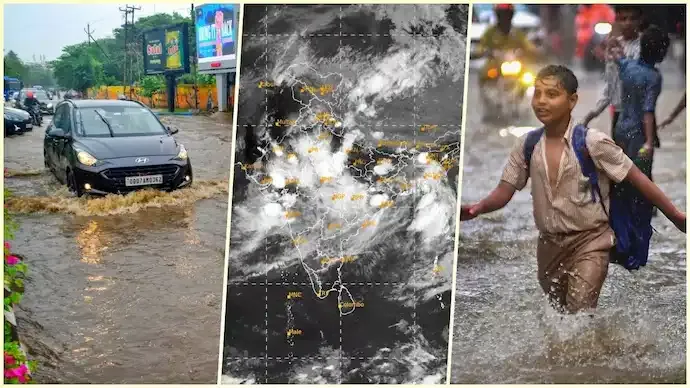
- A monsoon depression over the Bay of Bengal is expected to bring widespread rainfall across North India.
- Delhi is likely to receive moderate monsoon showers, while Uttarakhand and Himachal Pradesh face a heightened risk of cloudbursts, flash floods and landslides.
- The key reason is a weather phenomenon known as orographic lifting, where mountains force moist air upward, leading to intense rainfall.
- Cloudbursts occur when more than 100 mm of rain falls within an hour over a small area, overwhelming mountain terrain.
- Meteorologists have advised people travelling to the Himalayan region to remain alert during the period of heavy rainfall.
At first glance, the rain falling over Delhi and the Himalayan states appears to come from the same weather system. However, the shape of the land dramatically changes how that rain behaves.
Across the plains of northern India, moisture-laden monsoon winds move relatively freely, producing widespread but generally moderate rainfall.
As these same air masses reach the foothills of the Himalayas, they encounter steep mountain ranges that block their path.
Unable to move through the mountains, the air is forced to rise—a process known as orographic lifting.

What Is Orographic Lifting?
Orographic lifting is a meteorological process in which moist air is pushed upward by mountains.
As the air rises:
- Air pressure decreases.
- The air expands and cools.
- Cooler air holds less moisture.
- Water vapour condenses rapidly into clouds.
- Rainfall becomes significantly heavier.
In simple terms, the mountains act like a giant sponge squeezing moisture out of the atmosphere.
This is why regions along the Himalayan slopes often receive much heavier rainfall than nearby plains, even when influenced by the same weather system.
What Is a Cloudburst?
A cloudburst is an extremely intense rainfall event concentrated over a very small area.
According to the India Meteorological Department (IMD), a cloudburst generally refers to rainfall exceeding 100 millimetres in one hour over a limited geographical area.
Such intense rainfall can release nearly a month's worth of rain within a very short period.
Mountain regions are especially vulnerable because the terrain continues forcing moist air upward, allowing storm clouds to grow rapidly before releasing enormous amounts of rain in a short time.
Why Are Cloudbursts More Dangerous in Mountain Areas?
Heavy rainfall alone is not always disastrous.
The danger comes from how mountains respond to sudden downpours.
During a cloudburst:
- Rainwater rushes rapidly downhill.
- Narrow valleys channel water into powerful torrents.
- Rivers and streams rise within minutes.
- Saturated soil loses stability.
- Slopes become prone to landslides.
Unlike flat regions, where rainwater spreads over a wider area, mountainous terrain concentrates water into confined valleys, increasing the risk of destructive flash floods.
Bay of Bengal Depression Driving This Week's Rainfall
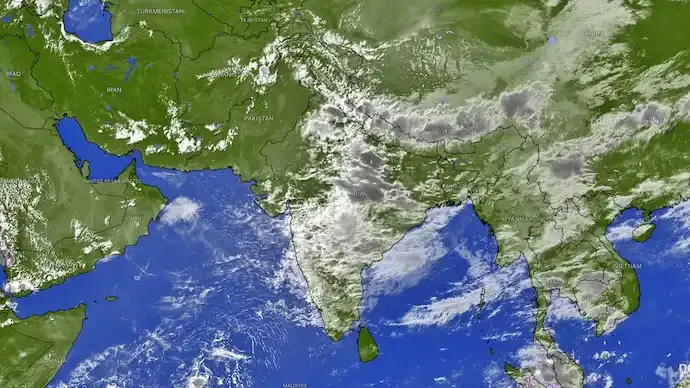
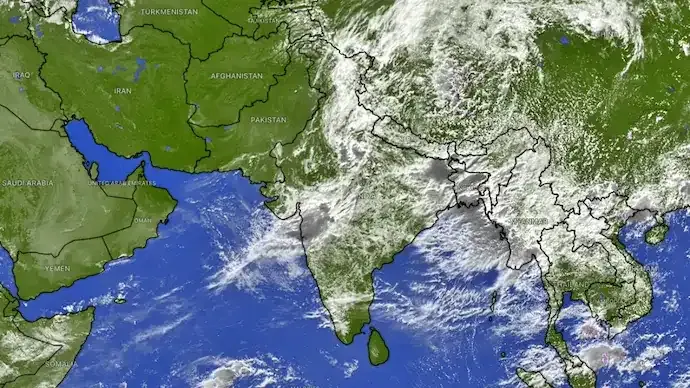
The current spell of rain is being driven by a monsoon depression over the northwestern Bay of Bengal.
As the system moves inland, it pulls the monsoon trough northward and transports large amounts of moisture across eastern, central and northern India.
Meteorologists expect the system to move in stages:
- July 27: Odisha, Jharkhand and parts of central India receive widespread rainfall.
- July 28–29: Moisture reaches Delhi and the northern plains before moving toward Uttarakhand and Himachal Pradesh.
- Later in the week: Rainfall is expected to strengthen again over Gujarat, Saurashtra and Kutch as the Arabian Sea branch of the monsoon becomes more active.
Although Delhi and the Himalayan states are influenced by the same weather system, the mountainous terrain significantly amplifies rainfall intensity in the hills.
Why Uttarakhand and Himachal Face Greater Risk
Weather experts warn that heavy rainfall in the Himalayan region can quickly escalate into multiple hazards, including:
- Cloudbursts.
- Flash floods.
- Landslides.
- Road blockages.
- River swelling.
- Disruption of transport and tourism.
People living in or travelling through hill districts are advised to closely monitor weather advisories and avoid unnecessary travel during periods of intense rainfall.
Weather Safety Tips During Heavy Rainfall
Authorities recommend taking the following precautions:
- Avoid travelling through landslide-prone routes during heavy rain.
- Do not attempt to cross flooded roads or overflowing streams.
- Stay updated with official weather forecasts and advisories.
- Keep emergency supplies ready if travelling in mountainous regions.
- Follow evacuation instructions issued by local authorities when necessary.
Early awareness and timely action can significantly reduce the risks associated with extreme weather events.
Why This Matters
Monsoon systems often affect large parts of India simultaneously, but local geography determines how severe their impacts become.
While cities such as Delhi may experience cooler temperatures and beneficial rainfall, the same moisture can produce dangerous cloudbursts and landslides once it reaches the Himalayan slopes.
Understanding phenomena such as orographic lifting helps explain why weather warnings for mountain regions often carry much greater urgency than similar forecasts for the plains.
Frequently Asked Questions (FAQs)
What is orographic lifting?
Orographic lifting occurs when moist air is forced upward by mountains, causing it to cool, condense and produce heavier rainfall.
What is a cloudburst?
A cloudburst is an extremely intense rainfall event, typically involving more than 100 mm of rain in one hour over a small area.
Why are Uttarakhand and Himachal more vulnerable?
Their steep mountain terrain accelerates runoff and increases the likelihood of flash floods and landslides following heavy rainfall.
Is Delhi expected to receive the same rainfall?
Delhi may receive rain from the same monsoon system, but the city's flat terrain generally results in less intense rainfall compared to the Himalayan region.
What is causing this week's rainfall?
A monsoon depression over the Bay of Bengal is transporting moisture across northern India, increasing rainfall activity over several states.
How can people stay safe during heavy rainfall?
Residents and travellers should monitor official weather advisories, avoid flood-prone or landslide-prone areas and follow instructions issued by local authorities.






Conversation
Be kind and stay on topic. Comments are moderated; abuse, spam and personal attacks are removed. Report a problem