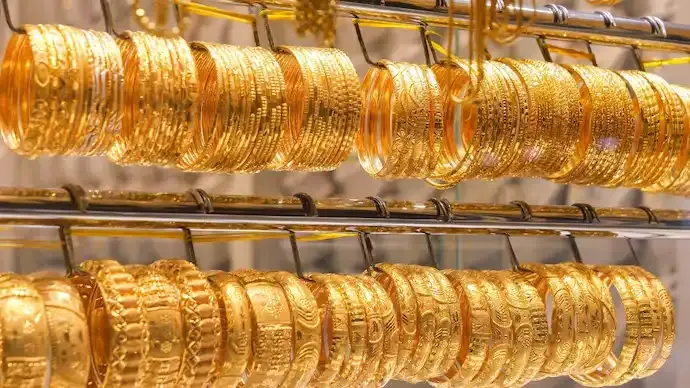
After delivering impressive returns and touching record highs earlier this year, gold and silver prices have entered a phase of correction. The decline has left many investors wondering whether the rally has ended or if the current fall presents a fresh buying opportunity.
Gold and silver benefited significantly from global economic uncertainty, inflation concerns, geopolitical tensions, and increased demand for safe-haven assets. However, recent weeks have seen both precious metals retreat from their peak levels as market sentiment shifts.
The correction has triggered an important question for investors: Should they buy more, hold their existing investments, or book profits and exit?
Financial experts believe investors should avoid making emotional decisions and instead focus on long-term investment strategies.
Why Are Gold and Silver Prices Falling?
Several factors are currently putting pressure on precious metal prices.
A stronger US dollar, easing inflation concerns in some economies, changing interest rate expectations, and profit booking after a sharp rally have all contributed to the recent decline.
Additionally, improving risk appetite in equity markets has reduced demand for traditional safe-haven assets such as gold and silver.
Analysts note that corrections are common after strong rallies and do not necessarily indicate the end of a long-term bullish trend.
Investors are therefore being advised to focus on fundamentals rather than short-term price movements.
1. Review Your Portfolio Allocation
The first step investors should take is to assess their overall portfolio exposure to precious metals.
Financial planners generally recommend maintaining a balanced allocation to gold and silver rather than concentrating excessive investments in a single asset class.
Gold is often viewed as a hedge against inflation and market volatility, while silver offers exposure to both precious metals and industrial demand.
Investors should review whether their current allocation aligns with their financial goals, risk tolerance, and investment horizon.
Rebalancing may be necessary if the recent rally significantly increased the share of precious metals in the portfolio.
2. Consider Gradual Accumulation Instead of Lump-Sum Buying
Experts suggest that investors who remain positive on the long-term outlook for gold and silver should avoid investing large amounts at once during periods of volatility.
Instead, a staggered investment approach can help reduce timing risks.
Systematic purchases over a period of time allow investors to average their acquisition costs and minimize the impact of short-term market fluctuations.
This strategy is particularly useful when prices are undergoing corrections and future direction remains uncertain.
Long-term investors often use market dips as opportunities to gradually build positions rather than attempting to predict exact price bottoms.
3. Stay Focused on Long-Term Fundamentals
While short-term price movements attract attention, experts advise investors to keep an eye on broader economic trends.
Factors such as inflation, central bank policies, geopolitical developments, global economic growth, and currency movements continue to influence precious metal prices.
Gold remains an important diversification tool for many portfolios, while silver continues to benefit from growing industrial demand in sectors such as renewable energy, electronics, and electric vehicles.
Investors who have a long-term perspective may benefit more from staying disciplined rather than reacting to every market correction.
Is the Precious Metals Rally Over?
Market experts remain divided on the short-term outlook, but many believe that the recent correction should be viewed in context.
Despite the decline, gold and silver continue to trade at historically elevated levels compared to previous years. The underlying drivers that supported the rally—including geopolitical uncertainty and global economic risks—have not completely disappeared.
As a result, many analysts view the current phase as a consolidation rather than a complete reversal of the broader trend.
What Should Investors Watch Next?
Going forward, investors should closely monitor central bank decisions, inflation data, global economic indicators, and geopolitical developments.
These factors are likely to determine the next major move in gold and silver prices.
For now, experts recommend maintaining a balanced investment strategy, avoiding panic selling, and using corrections as an opportunity to reassess financial goals rather than making impulsive decisions.
With uncertainty still present in global markets, precious metals are expected to remain an important component of diversified investment portfolios.