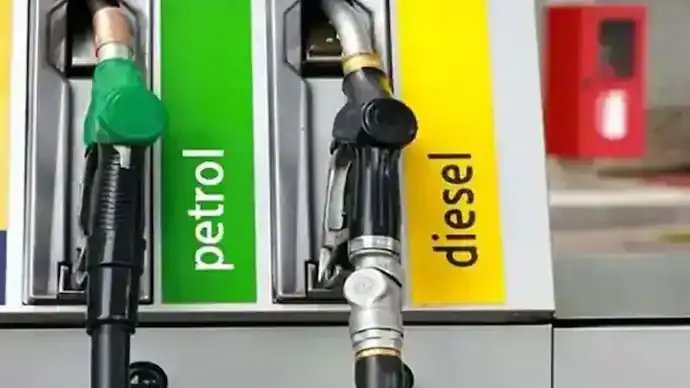
The Central Government has issued a new order restricting industrial, commercial, and institutional consumers from purchasing petrol and diesel from regular retail fuel stations. Under the new directive, such entities must now procure fuel only through authorised bulk fuel supply channels.
The move comes amid growing concerns over global energy markets as tensions in West Asia continue to impact crude oil supplies and international fuel prices.
According to the Ministry of Petroleum and Natural Gas, the decision aims to ensure that retail fuel outlets primarily serve individual consumers and ordinary vehicle owners while preventing large-scale commercial purchases from disrupting supplies.
The order has generated significant attention across industries that depend heavily on diesel and petrol for daily operations.
Who Is Affected by the New Rule?
The new directive mainly impacts bulk fuel consumers, including:
-
Manufacturing units
-
Industrial facilities
-
Construction companies
-
Mining operations
-
Infrastructure contractors
-
Commercial transport fleets
-
Educational institutions
-
Hospitals
-
Government organisations
-
Large corporate establishments
These entities typically consume fuel in substantial quantities and will now be required to source petrol and diesel through authorised bulk supply arrangements rather than retail fuel stations.
Private vehicle owners and regular consumers visiting petrol pumps for daily refuelling are not affected by the order.
Why Did the Government Introduce This Restriction?
The government's decision is largely linked to the widening gap between retail and bulk fuel prices.
As global crude oil prices increased due to geopolitical tensions and supply concerns, bulk fuel prices rose significantly in certain markets.
Reports indicated that several commercial and industrial consumers had begun purchasing fuel from retail petrol pumps because retail rates were comparatively lower.
This shift increased pressure on fuel stations that are primarily intended to serve individual consumers.
Officials feared that continued diversion of fuel demand could affect retail availability and create supply management challenges.
Impact of West Asia Tensions on Fuel Markets
The latest order comes against the backdrop of ongoing instability in West Asia, a region that plays a crucial role in global energy production and exports.
The conflict has:
-
Increased crude oil price volatility
-
Raised concerns over supply disruptions
-
Affected international shipping routes
-
Increased transportation costs
-
Added uncertainty to global energy markets
As one of the world's largest crude oil importers, India remains particularly sensitive to developments in international energy markets.
The government is closely monitoring fuel availability and pricing trends to ensure uninterrupted domestic supply.
Retail Pumps Meant for Ordinary Consumers
Petrol pumps are primarily designed to meet the needs of individual motorists and small-scale consumers.
Officials believe that large commercial purchases from retail outlets can strain inventories and potentially affect supply chains intended for regular vehicle owners.
The new directive seeks to preserve the intended purpose of retail fuel stations while ensuring that large-scale fuel users rely on dedicated bulk supply networks.
Industry experts say the measure may help improve supply management during periods of market volatility.
How Will Commercial Users Purchase Fuel Now?
Under the revised framework, eligible bulk consumers will need to obtain fuel from authorised bulk suppliers and designated bulk sale points.
These supply channels are specifically designed to handle high-volume fuel requirements and often provide direct delivery services to industrial and institutional customers.
The government believes this separation between retail and bulk fuel markets will improve efficiency and reduce pressure on petrol pumps.
What Does It Mean for Common Citizens?
For ordinary consumers, the new order is unlikely to result in any immediate changes.
Motorists purchasing petrol and diesel for personal vehicles can continue using retail fuel stations as usual.
In fact, the government argues that the restriction is intended to protect consumer interests by ensuring that fuel supplies remain available at retail outlets despite global market uncertainty.
The move is being viewed as a preventive measure aimed at maintaining supply stability rather than addressing an existing shortage.
Fuel Market Under Close Watch
With global energy markets facing continued uncertainty, policymakers are expected to keep a close watch on fuel supply, pricing, and consumption patterns.
Experts believe the government's decision reflects broader efforts to strengthen energy security and manage potential disruptions arising from international geopolitical developments.
As crude oil prices remain sensitive to events in West Asia, further policy measures may be considered if market conditions become more volatile.
For now, the new order establishes a clearer distinction between retail consumers and bulk fuel buyers, helping ensure that fuel distribution remains efficient and accessible across the country.
Prev Article
Inflation Concerns Return: Will Rising Oil Prices Increase Household Expenses in India?
Next Article
Gold Demand Rises Despite PM Modi's Appeal as Falling Prices Attract Buyers Back to Market