

Gregory Bovino has been removed from his high-profile role as “commander at large” of the US Border Patrol following intense public backlash over a fatal shooting involving federal immigration agents in Minneapolis. The leadership shift comes amid mounting protests, political pressure and renewed scrutiny of immigration enforcement tactics in Minnesota.
According to multiple US media reports, Bovino has been reassigned to his previous post in California, effectively ending his operational command in Minnesota. The development follows the fatal shooting of a 37-year-old nurse during a federal immigration operation, the second US citizen killed by federal officers in the state this month. The incidents have triggered widespread outrage, demonstrations and calls for accountability from civil rights groups and local leaders.
The Department of Homeland Security (DHS) has also reportedly revoked Bovino’s access to official social media accounts, signalling a significant reduction in his public-facing role. While officials stopped short of formally announcing a dismissal, the move has been widely interpreted as an effort by the administration to contain political fallout and reset leadership amid escalating tensions.
Shortly after reports of his removal surfaced, DHS denied that Bovino had been relieved of his duties. A department spokesperson said he remained part of the administration’s leadership team and continued to hold a national role within Customs and Border Protection. The White House echoed that position, stating that Bovino would retain broader responsibilities even as operational control in Minnesota shifted to other officials.
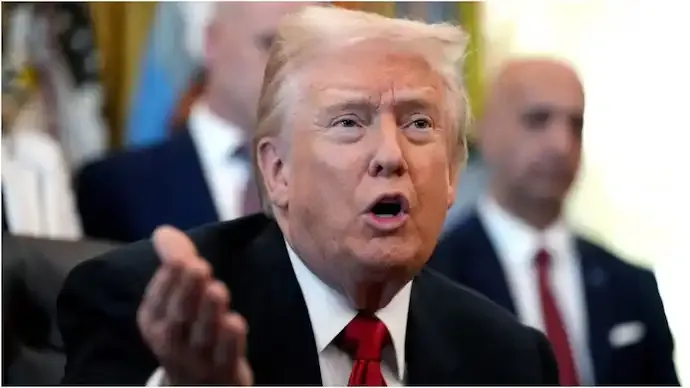
Despite these assurances, federal immigration operations in Minnesota are now being overseen by Tom Homan, who has been deployed as the administration’s primary point of contact on the ground. President Donald Trump confirmed Homan’s assignment, describing it as part of an effort to ensure firm and coordinated enforcement following weeks of unrest.
The change effectively sidelines Bovino from the Minnesota operation and marks a recalibration of federal strategy after criticism that enforcement actions had been heavy-handed and lacked coordination with state authorities. The shift may also reduce the visible role of DHS Secretary Kristi Noem, who had previously led much of the federal response in the state.
The leadership shake-up follows a noticeable softening in tone between the White House and Minnesota officials. Trump recently held a private call with Tim Walz, after weeks of public confrontation over immigration enforcement. The President said the conversation helped align positions, signalling a possible easing of tensions between federal and state governments.
Earlier, Trump had ordered thousands of armed immigration agents into the Minneapolis–St. Paul region, despite objections from state and city leaders. He accused local officials, including Minneapolis Mayor Jacob Frey, of incompetence and alleged that criminal immigrants were behind broader governance failures. Minnesota leaders rejected those claims, arguing the deployment was reckless and undermined public trust.
The removal of Bovino from his national command role highlights growing political sensitivity around immigration enforcement, especially when federal actions result in civilian deaths. With protests continuing and scrutiny intensifying, the administration appears to be recalibrating its approach, balancing aggressive border policies with the need to manage domestic political fallout.
As federal agencies reassess leadership and tactics in Minnesota, the episode underscores the challenges facing immigration enforcement in a deeply polarised political climate, where operational decisions increasingly carry national political consequences.



Conversation
Be kind and stay on topic. Comments are moderated; abuse, spam and personal attacks are removed. Report a problem