

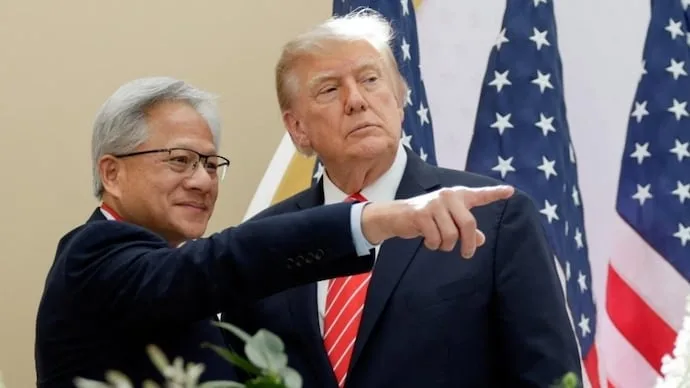

The Nvidia boardroom controversy has raised questions about corporate governance after CEO Jensen Huang reportedly returned to the company days after stepping down. US President Donald Trump publicly claimed he played a role in the decision, while Nvidia’s board said it had received input from senior government officials. The episode has renewed debate over board independence and political influence in business.
According to the supplied report, Huang stepped down on November 12 following allegations concerning his personal relationships and scrutiny of his association with Alice Huang, a businesswoman suspected of links to Chinese intelligence. These allegations have not been established in the material provided.
Nvidia’s board initially indicated it did not intend to reinstate him. However, on November 23, directors unanimously brought Huang back as president, CEO and director.

Board independence under scrutiny
Nvidia said its directors were satisfied with Huang’s candour and leadership capabilities after discussions with him. The company also said input from senior US government officials contributed to the board’s assessment that his return posed no national-security risk.
The board’s independent investigation is reportedly continuing.
The decision drew criticism from investors and corporate governance experts. New York City Comptroller Mark Levine questioned the board’s independence, while other experts raised concerns about whether directors had made an independent assessment before completing their investigation.
Trump’s intervention raises questions
Trump has publicly claimed credit for helping bring Huang back, including intervening with Nvidia’s board.
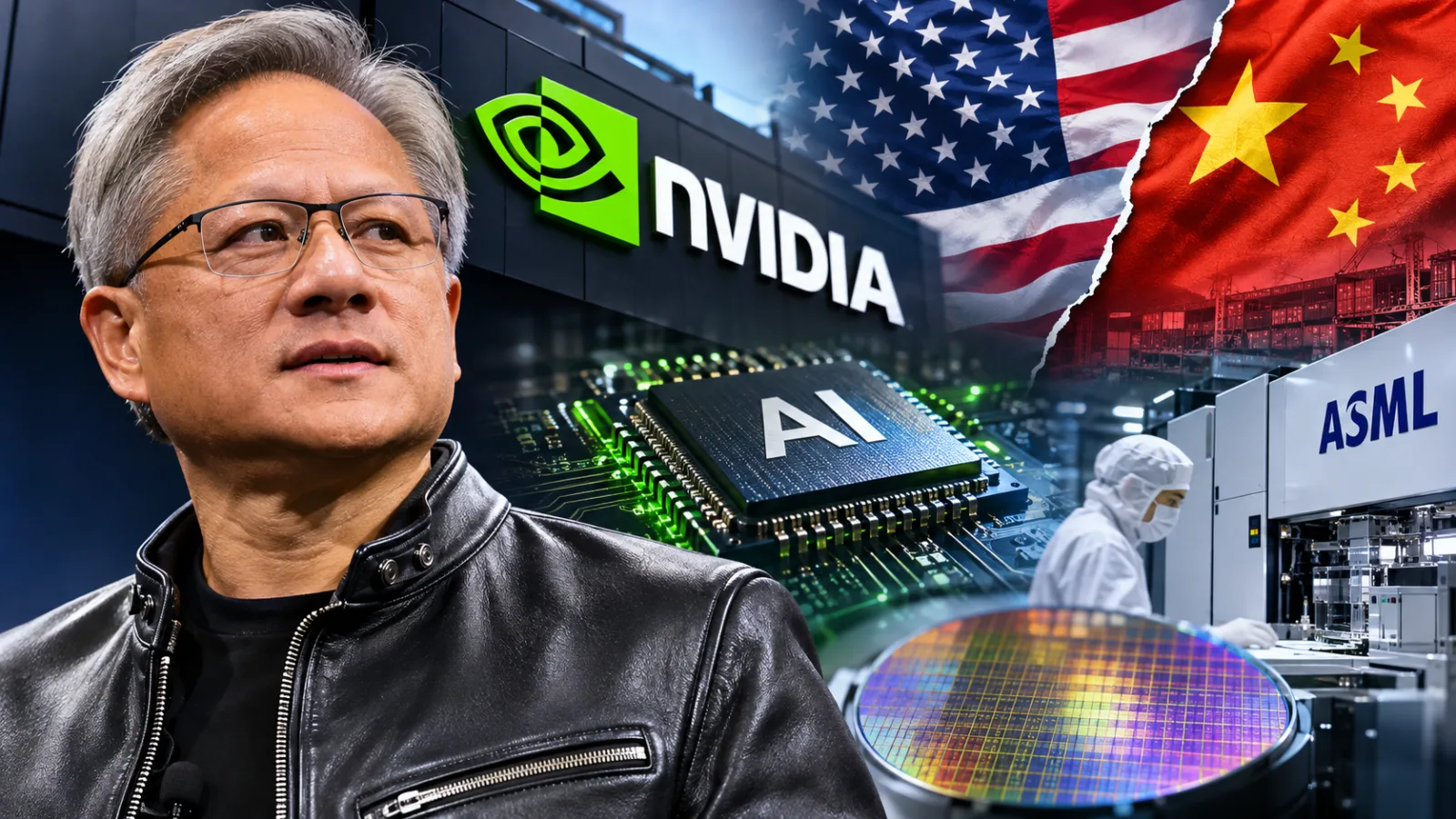
The US government has a strategic interest in Nvidia because of its role in artificial intelligence and the country’s technology competition with China. Washington also regulates exports of advanced chips on national-security grounds.
However, critics argue that government oversight of national security is different from political involvement in corporate leadership decisions.
Corporate governance professor Nada Kakabadse warned that relying on government input could weaken the board’s independent judgment. Other experts questioned whether political influence could make the company more dependent on the state.
Megaspeed probe adds to scrutiny
The reported leadership decision comes amid an ongoing investigation into Singapore-based Megaspeed over suspected export-control violations and possible diversion of advanced Nvidia chips to China.
The supplied report says US authorities and Singaporean law enforcement have been involved in the investigation. Megaspeed was reportedly added to the US Commerce Department’s Entity List, restricting business with the company without the required licence.
The investigation is separate from Nvidia’s board decision, but it adds to scrutiny of the company’s national-security exposure.
The wider concern is whether political intervention in boardroom decisions could become more common in sectors such as AI, semiconductors, defence and telecommunications. Nvidia’s decision may ultimately stand, but the episode has renewed debate over how boards can maintain independence when governments have strategic interests in their companies.
Relevant link: Nvidia official website
Editorial note
The supplied article contains serious allegations concerning personal relationships, suspected intelligence links and export-control violations. These have been attributed rather than presented as established facts. The claims about Huang’s resignation and reinstatement, Trump’s intervention and the ongoing investigations have not been independently verified for this rewrite. The image at the top is a generic advertisement GIF; use the relevant Jensen Huang and Donald Trump image linked in the source.






Conversation
Be kind and stay on topic. Comments are moderated; abuse, spam and personal attacks are removed. Report a problem