
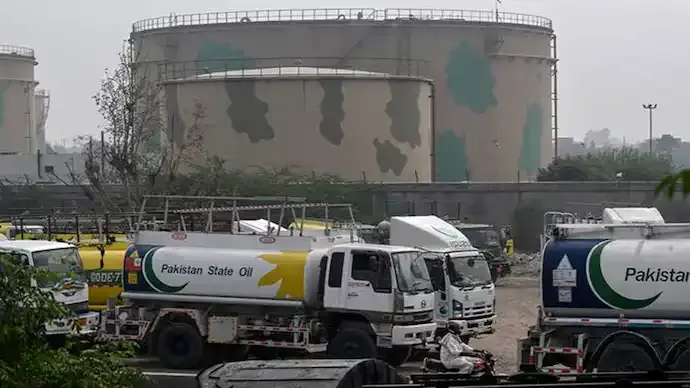
The Pakistan Army has activated a specialised counter-drone unit in response to increasing threats targeting critical oil infrastructure. The move comes amid rising security concerns linked to evolving militant strategies.
Authorities have intensified surveillance and security measures around key energy facilities across the country.
Shift in Militant Tactics Raises Alarm
According to intelligence inputs, militant groups are adopting advanced drone-based tactics, marking a significant shift in operational methods.
This “paradigm shift” involves using aerial systems to target vital installations such as refineries and fuel storage depots, which are essential for national mobility and economic stability.
Focus on Oil Infrastructure Security
Key assets, including facilities operated by Pakistan State Oil, are believed to be potential targets. Any successful attack on such infrastructure could disrupt fuel supply chains and trigger large-scale economic consequences.
Security forces have reportedly increased patrols and monitoring around refineries and storage hubs.
Energy Crisis Adds to Vulnerability
Pakistan is already facing an ongoing energy crisis, making its oil infrastructure even more critical. Any disruption could severely impact transportation, power supply, and industrial operations.
This vulnerability has made safeguarding these assets a top priority for authorities.
Counter-Drone Unit: A Strategic Move
The activation of a dedicated counter-drone unit reflects a proactive approach to modern warfare challenges. Such units are designed to detect, track, and neutralise drone threats before they reach critical targets.
This step aligns with global trends, where countries are investing heavily in anti-drone technologies.
Global Context of Drone Warfare
Drone-based attacks have become increasingly common in modern conflicts worldwide. From surveillance to targeted strikes, unmanned systems are reshaping security strategies.
Pakistan’s move highlights how nations are adapting to these emerging threats.
What Lies Ahead
As regional tensions continue, the focus on protecting critical infrastructure is expected to intensify. The effectiveness of the counter-drone unit will play a key role in preventing potential disruptions.
The situation also reflects broader concerns about the growing use of drones in asymmetric warfare.



Conversation
Be kind and stay on topic. Comments are moderated; abuse, spam and personal attacks are removed. Report a problem