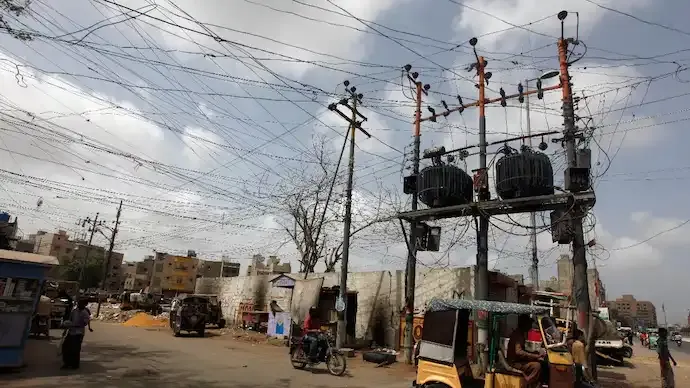
Pakistan is currently facing a severe energy crisis, with prolonged electricity outages affecting millions of residents. In several regions, power cuts have extended up to 15 hours a day, severely disrupting daily routines and economic activities.
Major cities like Lahore and Karachi are among the worst affected, with residents struggling to cope with unreliable electricity supply during peak summer months.
Middle East Tensions Add to Crisis
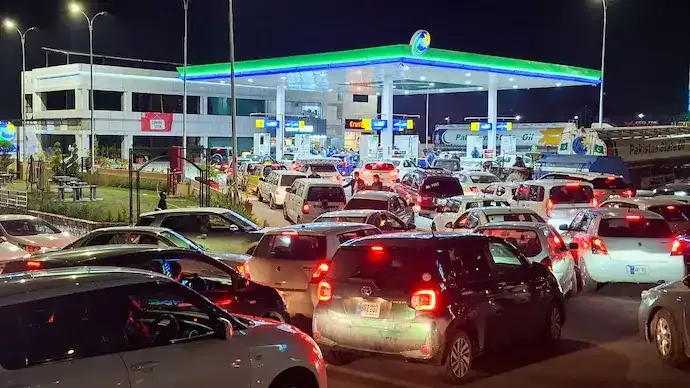
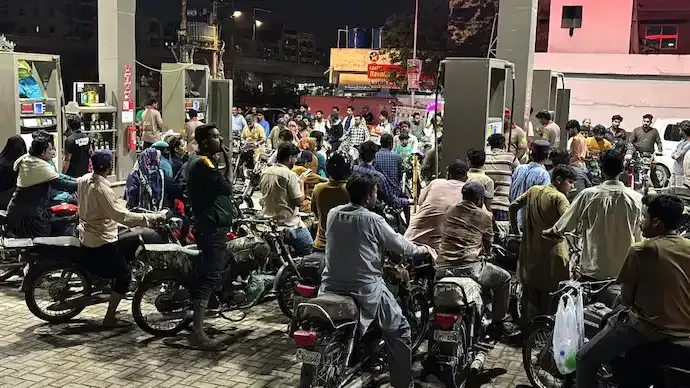
The ongoing geopolitical tensions in the Middle East have further aggravated the situation. Disruptions in global energy supply chains have made fuel imports more expensive and less reliable for Pakistan.
As a country heavily dependent on energy imports, Pakistan is particularly vulnerable to global market fluctuations, which have intensified the ongoing crisis.
Ageing Infrastructure and Rising Demand
Apart from external factors, several internal challenges are contributing to the worsening situation. These include:
- Ageing and inadequate power infrastructure
- Inefficient energy distribution systems
- Rising electricity demand during summer
The combination of these issues has created a significant gap between energy supply and consumption.
Economic Constraints Limit Solutions
Pakistan’s ongoing economic challenges have made it difficult to invest in infrastructure upgrades and energy reforms. Limited financial resources have slowed down efforts to modernise the power sector and improve efficiency.
Rising fuel costs and fiscal pressure have further complicated the government’s ability to provide stable and affordable energy.
Public Frustration on the Rise
The prolonged outages have triggered widespread public anger, with citizens expressing frustration over the lack of consistent electricity supply. Businesses, households, and industries are all facing the impact, leading to economic slowdown and reduced productivity.
The situation has also raised concerns about governance and crisis management.
Impact on Economy and Daily Life
The energy crisis is not only affecting households but also impacting industrial output and commercial operations. Frequent power cuts are disrupting manufacturing, increasing operational costs, and affecting overall economic performance.
For ordinary citizens, the crisis has made daily life increasingly difficult, especially during extreme weather conditions.
What Lies Ahead
Experts suggest that resolving the crisis will require both short-term and long-term measures, including better energy management, infrastructure upgrades, and diversification of energy sources.
As the situation evolves, Pakistan’s ability to stabilise its energy sector will be critical for its economic recovery and public confidence.