

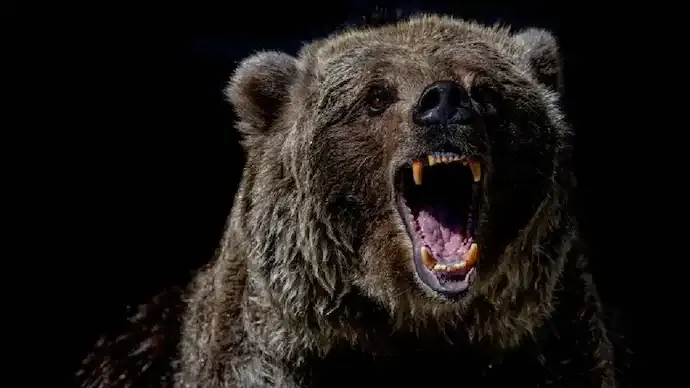

Brown bear populations across the world are showing an unexpected shift in their diet, moving away from meat and increasingly relying on plant-based food sources.
This change is challenging the traditional perception of bears as dominant predators and has raised concerns among scientists studying wildlife and ecosystems.
What is ‘Trophic Rewiring’?
Scientists describe this phenomenon as “trophic rewiring,” a concept in Ecology that explains how animals can alter their role in the food chain based on environmental changes.

In simple terms, bears—typically omnivores with strong hunting instincts—are adapting to new conditions by consuming more vegetation instead of prey.
Climate Change Driving the Shift
The primary factor behind this transformation is rising global temperatures. As climates warm, plant-growing seasons are becoming longer and more productive.

This has led to:
- Increased availability of fruits, berries, and vegetation
- Reduced dependence on hunting for survival
- Easier access to plant-based nutrition
As a result, bears are opting for less energy-intensive food sources.
Impact on Ecosystems
While the shift might seem harmless, it has deeper ecological consequences. Bears play a crucial role in maintaining balance within ecosystems as both predators and seed dispersers.

Changes in their diet could:
- Alter prey populations
- Impact nutrient cycles
- Reshape food chains
Such disruptions can have cascading effects across entire ecosystems.
A Warning Sign for Environmental Change
Scientists consider this dietary shift a warning signal of broader environmental changes. It reflects how wildlife is adapting to rapidly changing climates, often in ways that may not be sustainable in the long term.

The phenomenon highlights the growing impact of climate change on animal behaviour and biodiversity.
Global Implications of the Trend
This trend is not limited to a single region but is being observed in multiple parts of the world. It indicates a global pattern where species are adjusting their habits in response to environmental stress.
Such changes underline the urgency of addressing climate challenges to protect natural ecosystems.
What Lies Ahead
As research continues, scientists aim to better understand how these behavioural shifts will affect ecosystems in the long run. Monitoring wildlife adaptation will be key to predicting future environmental outcomes.
For now, the transformation of bears from hunters to plant-eaters serves as a powerful reminder of how deeply climate change is reshaping the natural world.







Conversation
Be kind and stay on topic. Comments are moderated; abuse, spam and personal attacks are removed. Report a problem