

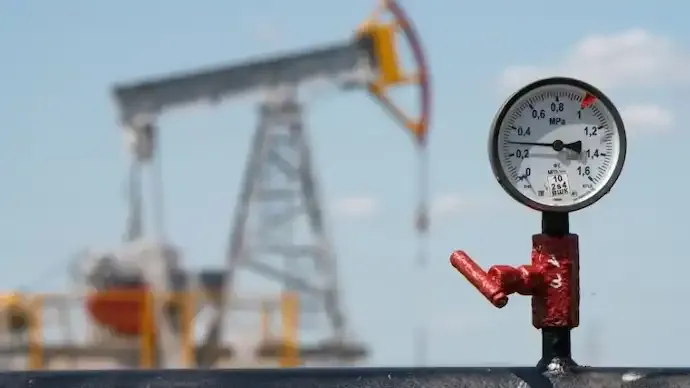

Iran has begun rapid efforts to rebuild its damaged oil refining infrastructure following recent strikes linked to the United States and Israel.
Officials have stated that the country aims to restore up to 70–80% of its refining and fuel distribution capacity within the next one to two months.
Repair Work Underway at Key Energy Sites
According to Iranian authorities, reconstruction teams and contractors have been deployed across multiple damaged facilities. Work is currently focused on clearing debris, repairing critical systems, and restoring operations as quickly as possible.

One of the major sites impacted is the Lavan Island refinery, where partial operations are expected to resume within the coming days.
Gradual Recovery of Oil Production
Officials indicated that some units at key refineries could restart within approximately 10 days, while others will follow in phases. This step-by-step restoration approach is aimed at stabilizing production and ensuring safe operations.
The broader goal is to bring the majority of refining output back to pre-attack levels within a short timeframe.
Impact of Strikes on Energy Sector
The strikes targeted Iran’s energy infrastructure, disrupting refining operations and affecting fuel distribution networks. Such attacks have the potential to significantly impact domestic supply as well as export capabilities.
Iran’s oil sector plays a crucial role in its economy, making rapid recovery efforts a top priority.
Strategic Importance of Kharg Island and Oil Supply Chains
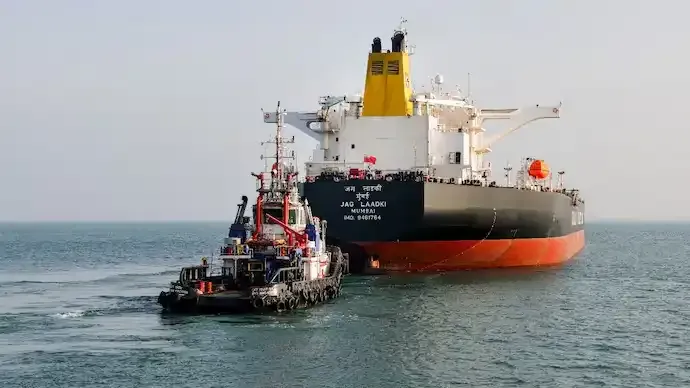
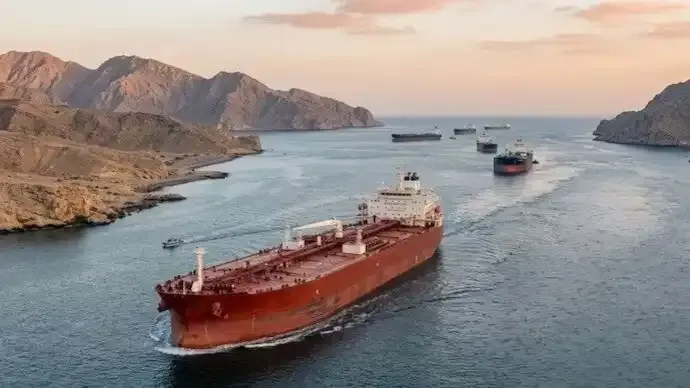
Iran’s oil exports are closely tied to facilities such as Kharg Island, a major hub for crude shipments. Tanker movements and export operations from this region are closely monitored by global tracking firms.
Any disruption to these supply chains can influence global oil markets.
Global Market Implications
The restoration of Iran’s refining capacity is being closely watched by global energy markets. A quicker recovery could help stabilize oil supply, while prolonged disruptions may contribute to price volatility.
Countries dependent on oil imports are particularly sensitive to developments in the region.
Resilience Amid Geopolitical Tensions
Iran’s efforts to rebuild its energy infrastructure highlight its focus on maintaining economic stability despite ongoing geopolitical tensions. Rapid reconstruction also signals resilience in the face of external pressures.
Uncertain Outlook for Regional Stability
While repair efforts are progressing, the broader geopolitical situation remains uncertain. Continued tensions in the region could affect long-term stability and energy security.
A Critical Phase for Iran’s Energy Sector
The coming weeks will be crucial as Iran works to restore its refining capabilities. The speed and success of these efforts will determine both domestic energy stability and broader global market reactions.




Conversation
Be kind and stay on topic. Comments are moderated; abuse, spam and personal attacks are removed. Report a problem