

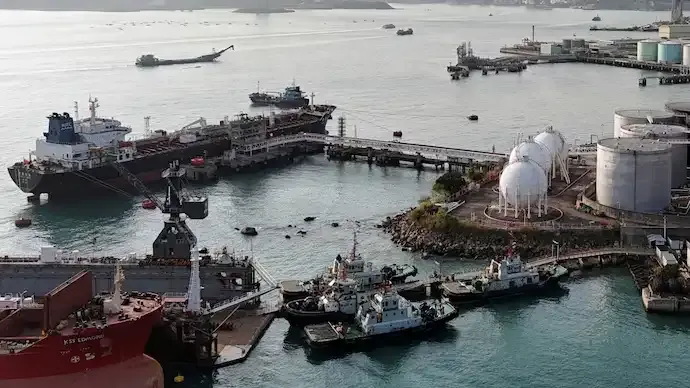

A major geopolitical development unfolded as a China-linked oil tanker successfully navigated through the Strait of Hormuz, despite a US-led blockade targeting Iranian ports.
The move has intensified tensions in the region, highlighting the challenges of enforcing maritime restrictions in one of the world’s most critical energy corridors.
Sanctioned Ship Defies Blockade
The tanker, reportedly under US sanctions and linked to China, became one of the first vessels to pass through the strait after the blockade was announced.

This development has raised questions about the effectiveness of the blockade and the complexities involved in monitoring and controlling international shipping routes.
Iran Uses Incident to Criticise US
Iran quickly reacted to the situation, using it as an opportunity to criticise former US President Donald Trump.
Iranian authorities mocked the blockade, suggesting that it only applied selectively and questioning its overall impact. The incident has added a new layer to the ongoing geopolitical narrative.
Global Implications for Oil Supply
The Strait of Hormuz remains a vital route for global oil transportation, with a significant portion of the world’s crude supply passing through it. Any disruption or challenge to control in the region can have far-reaching consequences.
The successful passage of the tanker indicates that despite heightened tensions, shipping activity continues, though under increased risk.
Challenges in Enforcing Maritime Blockades
Experts point out that enforcing a naval blockade in such a busy and strategically important waterway is extremely complex. Factors such as international maritime laws, multiple stakeholders, and high traffic volumes make it difficult to impose complete restrictions.
This incident highlights the limitations of unilateral actions in a globally interconnected system.
Geopolitical Power Play Intensifies
The development also underscores the growing geopolitical competition involving major global powers. China’s presence, combined with Iran’s strategic positioning, adds complexity to the situation.
The Middle East continues to remain a hotspot where global interests intersect, making any escalation a matter of international concern.
What Lies Ahead
As tensions persist, the situation in the Strait of Hormuz will remain closely monitored by governments and markets worldwide. Future developments will determine the effectiveness of the blockade and the stability of global energy supplies.
The incident serves as a reminder of how quickly geopolitical events can influence global trade and diplomacy.





Conversation
Be kind and stay on topic. Comments are moderated; abuse, spam and personal attacks are removed. Report a problem