Shopping cart
Your cart empty!


Your cart empty!
Terms of use dolor sit amet consectetur, adipisicing elit. Recusandae provident ullam aperiam quo ad non corrupti sit vel quam repellat ipsa quod sed, repellendus adipisci, ducimus ea modi odio assumenda.
Lorem ipsum dolor sit amet consectetur adipisicing elit. Sequi, cum esse possimus officiis amet ea voluptatibus libero! Dolorum assumenda esse, deserunt ipsum ad iusto! Praesentium error nobis tenetur at, quis nostrum facere excepturi architecto totam.
Lorem ipsum dolor sit amet consectetur adipisicing elit. Inventore, soluta alias eaque modi ipsum sint iusto fugiat vero velit rerum.
Sequi, cum esse possimus officiis amet ea voluptatibus libero! Dolorum assumenda esse, deserunt ipsum ad iusto! Praesentium error nobis tenetur at, quis nostrum facere excepturi architecto totam.
Lorem ipsum dolor sit amet consectetur adipisicing elit. Inventore, soluta alias eaque modi ipsum sint iusto fugiat vero velit rerum.
Dolor sit amet consectetur adipisicing elit. Sequi, cum esse possimus officiis amet ea voluptatibus libero! Dolorum assumenda esse, deserunt ipsum ad iusto! Praesentium error nobis tenetur at, quis nostrum facere excepturi architecto totam.
Lorem ipsum dolor sit amet consectetur adipisicing elit. Inventore, soluta alias eaque modi ipsum sint iusto fugiat vero velit rerum.
Sit amet consectetur adipisicing elit. Sequi, cum esse possimus officiis amet ea voluptatibus libero! Dolorum assumenda esse, deserunt ipsum ad iusto! Praesentium error nobis tenetur at, quis nostrum facere excepturi architecto totam.
Lorem ipsum dolor sit amet consectetur adipisicing elit. Inventore, soluta alias eaque modi ipsum sint iusto fugiat vero velit rerum.
Do you agree to our terms? Sign up
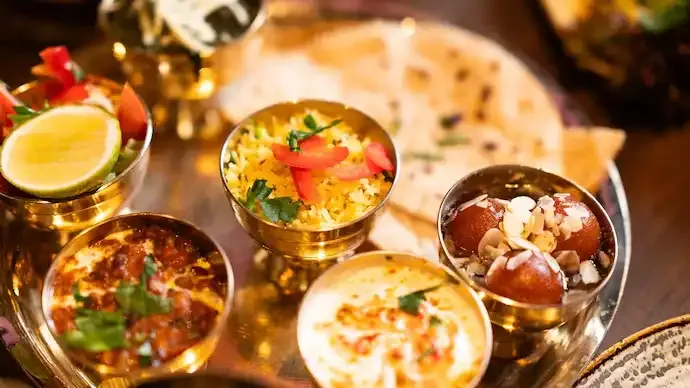
A historic royal menu from India’s past has once again gone viral, reigniting conversations about royal lifestyles and culinary traditions. This time, the focus has shifted from European-style dining to a menu deeply rooted in Indian flavours, especially from Maharashtra.
The resurfaced menu comes shortly after a European-style royal feast made headlines, offering a contrasting perspective on what Indian royalty truly consumed during that era.
The discussion began when a lavish European-style menu curated for Maharaja Madhavrao Scindia I by Maharaja Sayajirao Gaekwad III went viral online.
That menu featured a wide range of Western dishes such as anchovies, asparagus purée, fish preparations, and Russian salad. While many admired the opulence, others questioned whether such menus truly represented Indian royal traditions.
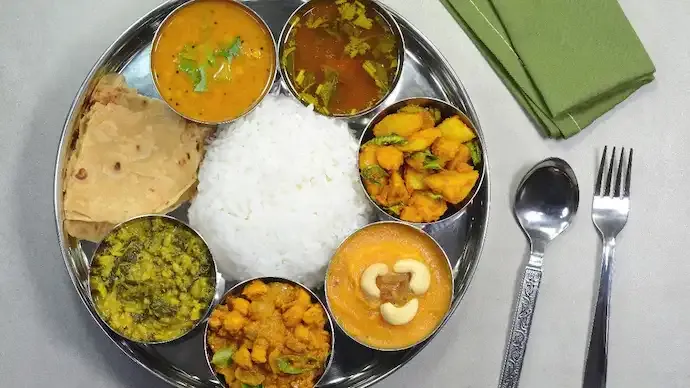
The newly surfaced menu, however, highlights traditional Maharashtrian cuisine, presenting a more rooted and indigenous culinary experience. It reflects how Indian royalty also embraced local flavours alongside global influences.

This contrast has sparked fresh interest among users, with many appreciating the authenticity and richness of regional Indian food traditions.
Social media users have been actively discussing the difference between the two menus. While the European-style feast showcased global exposure and luxury, the Maharashtrian menu has been praised for representing India’s cultural and culinary identity.

Many users pointed out that Indian royal kitchens were diverse, often blending international influences with regional specialities.
The viral menus offer a rare insight into the dining habits of Indian royalty. They highlight how royal households were not limited to a single cuisine but instead experimented with a wide variety of dishes.

This diversity reflects:
The viral trend has also sparked renewed curiosity about India’s culinary history. Food enthusiasts and historians are revisiting old records to understand how traditional Indian dishes coexisted with international cuisines in royal settings.
The discussion has brought attention to the richness of Maharashtrian cuisine and its place in India’s gastronomic legacy.
In today’s digital age, such discoveries are not just about nostalgia but also about cultural identity. The conversation around these menus highlights how food can reflect history, heritage, and evolving tastes.
As more historical records surface online, they continue to shape how people perceive India’s royal past and its diverse culinary traditions.
95
Published: Apr 14, 2026

All India Story is your trusted source for comprehensive and up-to-the-minute news coverage across India. Bringing you the latest on politics, business, technology, entertainment, sports, and more, we are dedicated to keeping you informed with accurate, engaging, and insightful stories from every corner of the nation.