

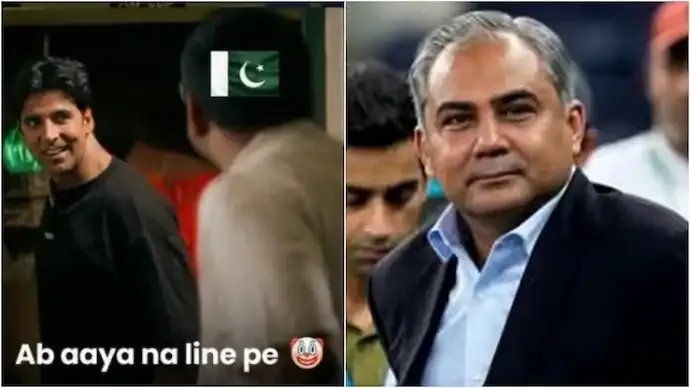

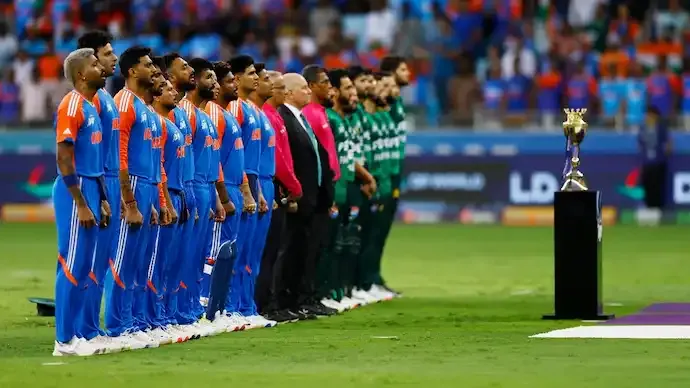
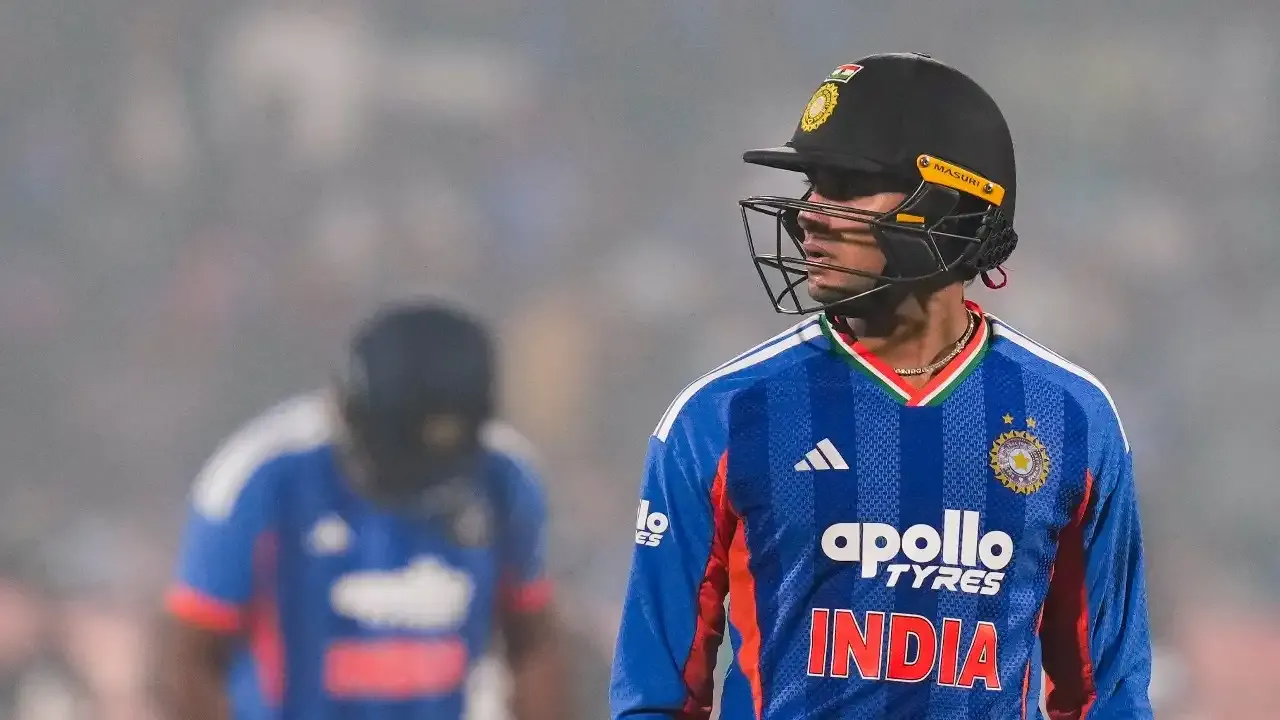
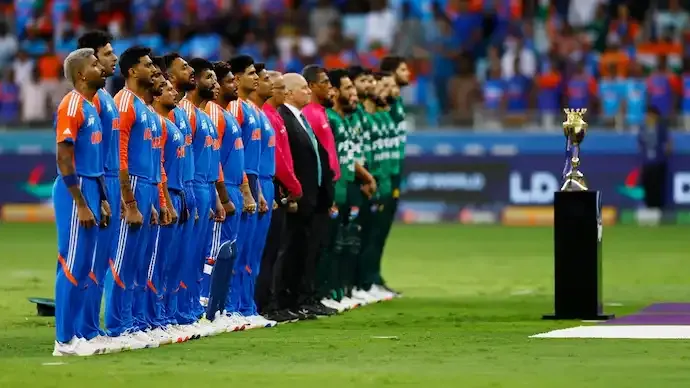
The upcoming T20 World Cup clash between India and Pakistan has triggered intense reactions online, particularly among Pakistani users on X, after Islamabad reversed its earlier stance on boycotting the high-profile fixture. The sudden policy shift has generated waves of memes, debates and misinformation campaigns, reflecting how sports and politics continue to intersect on digital platforms.
In the days leading up to the marquee encounter, social media timelines were flooded with commentary dissecting the decision to participate in the match. Many Pakistani users described the reversal as a pragmatic move that avoided long-term financial and diplomatic consequences, while others criticised the change as a loss of credibility. A third group used the moment to amplify sensational narratives through AI-generated content and misleading posts, adding to the already charged atmosphere surrounding the tournament.
A large portion of online discussions centred on Pakistan Cricket Board leadership, with several posts mocking decision-making at the top. Critics argued that the boycott announcement lacked clarity from the outset, ultimately turning into a public relations setback once the reversal was confirmed. Some users claimed the episode exposed deeper governance issues within Pakistan cricket, while others framed it as a necessary course correction to protect the country’s interests in global tournaments.

The U-turn followed a series of discussions involving multiple cricket boards and governing bodies. Pakistan had initially signalled it might skip the India match in solidarity with Bangladesh after tournament-related disputes. However, sustained diplomatic and sporting consultations led to a reconsideration, paving the way for the match to proceed as scheduled. The decision reignited debate online about the financial significance of an India-Pakistan clash, with several users suggesting that commercial pressures and broadcast commitments influenced the outcome.
Indian users on X also joined the conversation, with some claiming that Pakistan had little choice but to reverse its position due to potential penalties or losses tied to tournament revenues. Although such claims sparked heated exchanges between fan groups, analysts noted that the online reactions were often shaped by rivalry narratives rather than verified information.
Alongside satire and criticism, misinformation became a major concern. AI-generated images and videos circulated widely, portraying fictional scenarios involving cricket administrators and players. These posts gained significant traction, blurring the line between humour and propaganda and raising questions about how digital platforms handle manipulated content during major sporting events.
Despite the online noise, many fans expressed excitement about the upcoming encounter, viewing the rivalry as one of cricket’s most compelling spectacles. With the match drawing closer, the focus is gradually shifting from controversy to on-field expectations, even as social media conversations continue to reflect broader political and cultural tensions between the two nations.
As the tournament unfolds, the episode highlights how modern sports narratives are increasingly shaped not only by performances on the field but also by public discourse across digital platforms, where reactions, rumours and rivalry fuel global attention.




Conversation
Be kind and stay on topic. Comments are moderated; abuse, spam and personal attacks are removed. Report a problem