



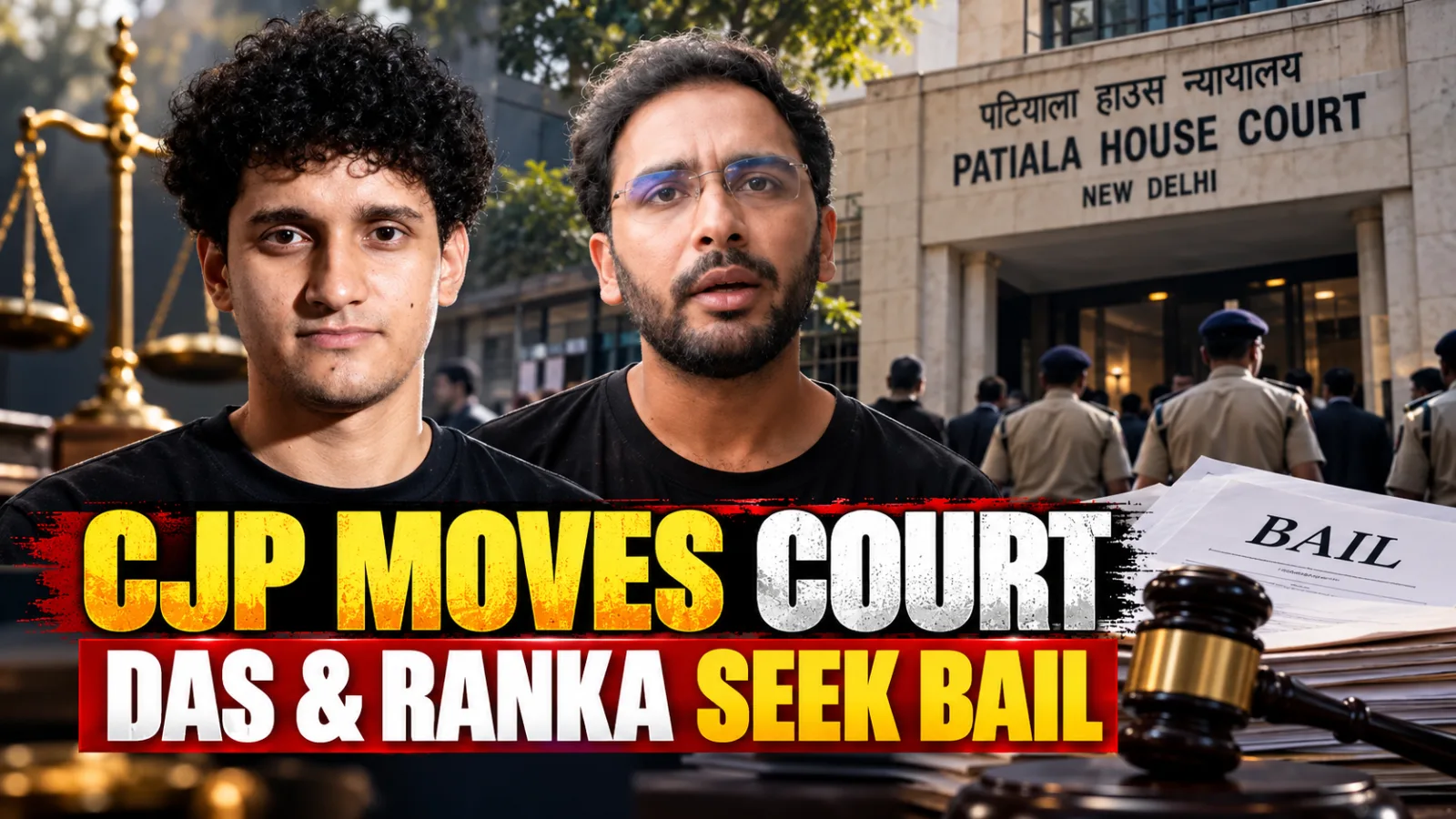
The Delhi High Court CJP leaders hearing on Wednesday featured a comparison with student-led protests in France that escalated into arson and looting. The court made the observations while hearing a plea by Cockroach Janta Party (CJP) leaders Saurav Das and Ashutosh Ranka, who challenged an order extending their judicial custody.
A bench led by Justice Subramonium Prasad emphasised that police permission for demonstrations serves not only to regulate protesters but also to prevent others from joining and potentially disrupting a gathering.
The court agreed to hear the plea urgently, as the leaders' judicial custody was due to end that day. However, Das and Ranka later withdrew their petition after the bench questioned why they had approached the High Court instead of pursuing alternative legal remedies and awaiting a hearing before the SEM.

Why Were CJP Leaders Arrested?
Das, 26, and Ranka, 31, were arrested on October 13 after allegedly trespassing into Jantar Mantar and unfurling the national flag. They had crossed police barricades and raised slogans demanding the resignation of Chief Election Commissioner Gyanesh Kumar.
During the hearing, Justice Prasad questioned their decision to enter the location after it had been denotified as a protest site. The bench observed that barricades serve a purpose and that breaking them could encourage other people to join a gathering beyond the organisers' control.
The court said it would examine the legality of the action separately.
Court Explains Purpose of Police Permission
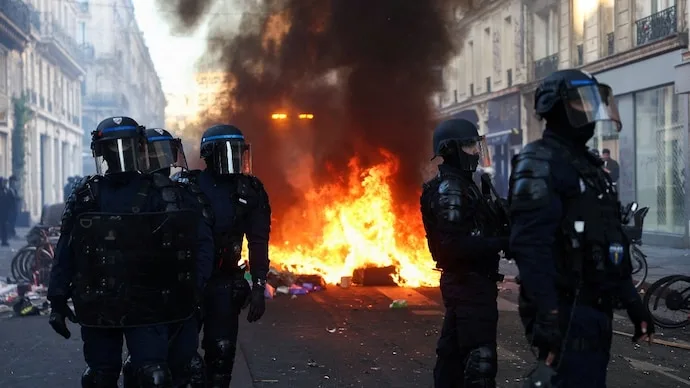
Referring to developments in France, the bench observed that protests that begin as student movements can escalate into incidents involving arson and looting.
The court said police permission was intended not only to prevent a demonstration from taking place without authorisation but also to reduce the risk of others joining and disrupting it.
The observations came amid questions about the protest's purpose, the organisers' association and the possibility of a breach of public peace.
CJP Founder Rejects Comparison With France
A day before the hearing, CJP founder Abhijeet Dipke rejected the comparison with France, arguing that Das and Ranka had maintained a commitment to non-violence despite being jailed.
In a video message, Dipke invoked Mahatma Gandhi's philosophy of satyagraha and said the two leaders had entered prison without anger or hatred.
The High Court's remarks and the party founder's response reflect differing views on the protest, its conduct and the role of police authorisation. The leaders' withdrawal of the custody challenge leaves the next steps dependent on the available legal process.
For official judicial updates, visit the Delhi High Court website.







Conversation
Be kind and stay on topic. Comments are moderated; abuse, spam and personal attacks are removed. Report a problem