

Punjab's recently introduced anti-sacrilege law has sparked significant debate after the Akal Takht asked the state government to reconsider certain provisions and revise the legislation within a month. The issue has drawn widespread attention because it involves matters of religious importance, legal interpretation and public policy.
Here are five key points to understand why the law has become controversial.
Featured Snippet
The Akal Takht has asked the Punjab government to review and amend its anti-sacrilege law, arguing that certain provisions require wider consultation with Sikh institutions. The debate centres on both the need to protect religious sentiments and the legal framework used to achieve that objective.
Key Highlights
- The Punjab government introduced a stricter anti-sacrilege law.
- The Akal Takht has asked the government to review disputed provisions.
- Sikh legislators appeared before the Akal Takht to discuss the issue.
- The debate focuses on legal provisions and consultation with Sikh institutions.
- The government has been asked to respond within one month.
1. Why Was the Anti-Sacrilege Law Introduced?
The Punjab government introduced the legislation with the objective of strengthening legal protection against acts of sacrilege, particularly those involving the Guru Granth Sahib, which Sikhs regard as their eternal Guru.
The proposed law aims to provide stricter legal action against acts considered offensive to religious scriptures and places of worship.
2. Why Has the Akal Takht Objected?
The Akal Takht has expressed concerns over certain provisions of the legislation and has stated that the law was enacted without sufficient consultation with Sikh religious institutions and Panthic bodies.
It has asked the Punjab government to review the disputed clauses and make suitable amendments after wider discussions.
3. What Happened at the Akal Takht?
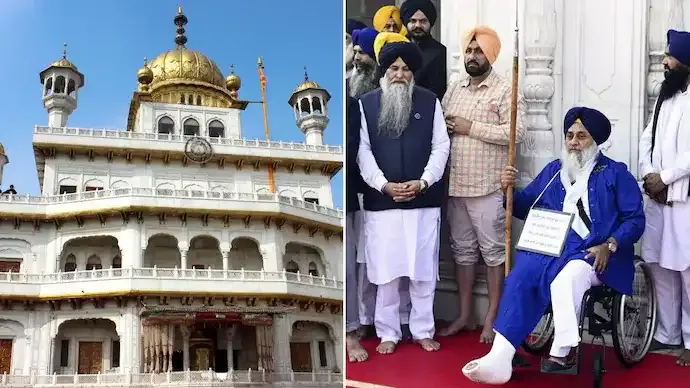
Following the objections, Sikh Members of the Punjab Legislative Assembly appeared before the Akal Takht in Amritsar to discuss the concerns raised about the legislation.
The discussions focused on the provisions that have generated debate and possible revisions to the law.
4. Why Is This Issue Important?
The issue carries both religious and legal significance.
It involves:
- Protection of religious sentiments.
- Legislative drafting.
- Consultation with religious institutions.
- Constitutional and legal procedures.
- Public policy in Punjab.
Because the Guru Granth Sahib holds the highest spiritual importance in Sikhism, any legislation relating to sacrilege attracts widespread public attention.
5. What Could Happen Next?
The Akal Takht has asked the Punjab government to review the disputed provisions within one month.
The government may:
- Examine the objections.
- Hold consultations with stakeholders.
- Consider amendments.
- Clarify the intent of the legislation.
Any changes would follow the state's legislative process.
Why the Debate Matters
Punjab has witnessed repeated public discussions over sacrilege-related incidents in recent years, making the subject highly sensitive.
The current debate reflects the challenge of balancing:
- Religious sentiments.
- Legal safeguards.
- Constitutional principles.
- Public consultation.
Observers believe any future amendments are likely to receive close public attention.
Conclusion
Punjab's anti-sacrilege law was introduced with the objective of strengthening legal protection against acts of desecration, but objections from the Akal Takht have shifted the focus toward consultation and legislative drafting. As discussions continue, the coming weeks will determine whether the state government introduces amendments or provides further clarification on the law.
FAQs
1. Why was Punjab's anti-sacrilege law introduced?
The legislation was brought in to strengthen legal action against acts of sacrilege involving religious scriptures and places of worship.
2. Why has the Akal Takht objected?
The Akal Takht says certain provisions require wider consultation with Sikh institutions and has sought amendments.
3. What is the Akal Takht?
The Akal Takht is the highest temporal authority in Sikhism.
4. What is the significance of the Guru Granth Sahib?
It is regarded by Sikhs as their eternal Guru and holds the highest spiritual authority in Sikhism.
5. Has the law been withdrawn?
No. The Akal Takht has asked the Punjab government to review and amend certain provisions.
6. What happens next?
The Punjab government is expected to examine the objections and decide whether to revise the legislation.



Conversation
Be kind and stay on topic. Comments are moderated; abuse, spam and personal attacks are removed. Report a problem