
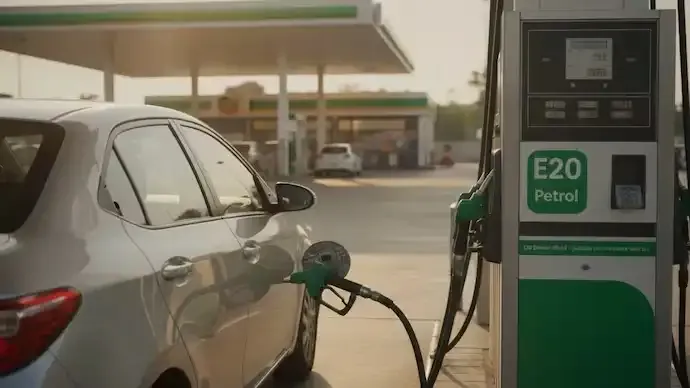
The Central Government has informed the Supreme Court of India that India's 20% ethanol blending (E20) programme remains an ongoing experiment, with its overall impact expected to become clearer by next year.
The statement comes as discussions continue over the benefits and challenges of ethanol-blended petrol, particularly regarding vehicle compatibility, fuel efficiency and long-term environmental goals.
Featured Snippet
The government has told the Supreme Court that the E20 ethanol blending programme is still being evaluated. While the initiative aims to improve energy security and promote cleaner fuels, questions regarding its impact on older vehicles and fuel efficiency continue to be discussed.
Key Highlights
- The Centre described E20 ethanol blending as an ongoing experiment.
- The remarks were made before the Supreme Court.
- The programme's full impact is expected to be clearer next year.
- Concerns have been raised about older vehicles and fuel efficiency.
- The government continues to support ethanol blending as part of its energy strategy.
What Is the E20 Ethanol Blending Programme?
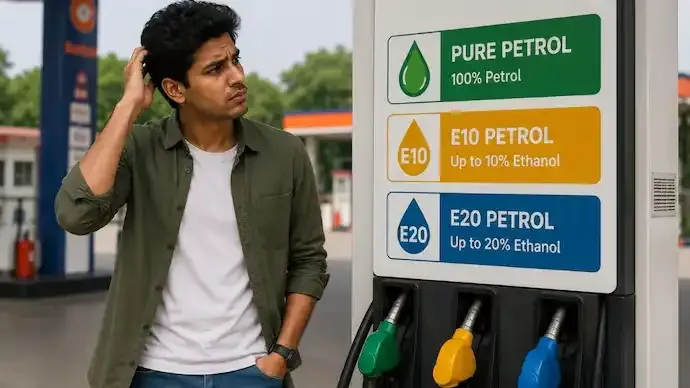
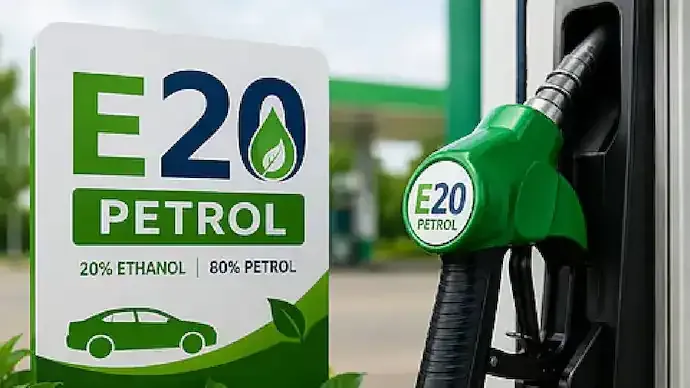
E20 fuel consists of 20% ethanol mixed with 80% petrol.
The initiative forms part of India's broader strategy to:
- Reduce dependence on imported crude oil.
- Promote cleaner fuels.
- Support domestic ethanol production.
- Benefit the agricultural sector.
- Improve energy security.
The programme has been introduced in phases across different parts of the country.
What Did the Government Tell the Supreme Court?
During the hearing, the government stated that the E20 blending programme is still under evaluation and should be viewed as an ongoing experiment.
According to the government's submission, a clearer assessment of the programme's overall impact is expected after additional implementation and monitoring.
The remarks indicate that the policy continues to be reviewed as data becomes available.
Why Are Some People Concerned?
The E20 programme has generated discussion among vehicle owners and industry stakeholders.
Some commonly raised concerns include:
- Compatibility with older vehicles.
- Possible impact on fuel efficiency.
- Long-term engine performance.
- Maintenance costs.
Vehicle manufacturers have issued guidance regarding compatibility for different models, and owners are generally advised to follow manufacturer recommendations.
Why Does the Government Support Ethanol Blending?
The government has consistently highlighted several expected benefits of ethanol blending, including:
- Reduced dependence on imported oil.
- Lower carbon emissions.
- Increased demand for agricultural produce used in ethanol production.
- Improved energy security.
- Promotion of renewable fuel sources.
These objectives form part of India's broader clean energy transition.
What Happens Next?
The government has indicated that a more comprehensive evaluation of the programme's impact is expected next year.
Further policy decisions may be guided by:
- Technical assessments.
- Vehicle performance data.
- Environmental outcomes.
- Fuel consumption trends.
Any future changes are expected to follow official government announcements.
Conclusion
India's E20 ethanol blending programme continues to evolve as the government evaluates its long-term impact. While the initiative aims to strengthen energy security and encourage cleaner fuel use, discussions around vehicle compatibility and fuel efficiency remain important. The findings expected next year may provide greater clarity on the programme's effectiveness.
FAQs
1. What is E20 fuel?
E20 is petrol blended with 20% ethanol and 80% petrol.
2. What did the government tell the Supreme Court?
The government said the E20 programme is still an ongoing experiment and its full impact will become clearer next year.
3. Why is ethanol blended with petrol?
To reduce crude oil imports, support cleaner fuels and improve energy security.
4. Are all vehicles compatible with E20 fuel?
Compatibility depends on the vehicle model. Owners should refer to manufacturer guidelines.
5. What concerns have been raised?
Some discussions focus on older vehicles, fuel efficiency and long-term engine performance.
6. What happens next?
The programme will continue to be evaluated, with a broader assessment expected next year.
Conversation
Be kind and stay on topic. Comments are moderated; abuse, spam and personal attacks are removed. Report a problem