
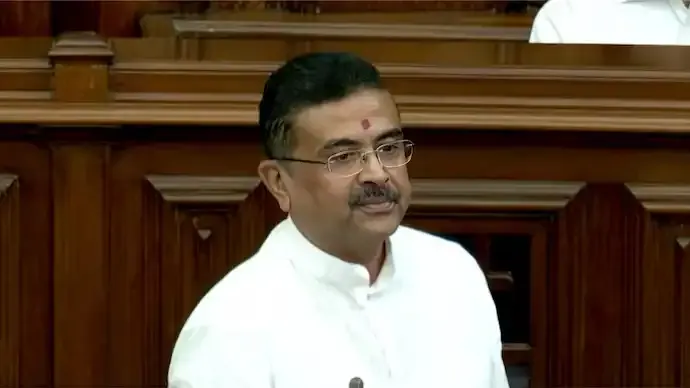
The West Bengal Assembly has passed two significant Bills to restructure the state's Other Backward Classes (OBC) reservation system. The legislation restores the OBC reservation quota to 7%, reinstates the original list of recognised OBC categories and returns the responsibility for scrutiny to the West Bengal Commission for Backward Classes.
The state government said the changes were introduced to align the reservation framework with the Calcutta High Court's March 22, 2024 judgment.
Featured Snippet
The West Bengal Assembly has approved two amendment Bills restoring the OBC reservation quota to 7%. The legislation also reinstates the original 66-category OBC list and restores scrutiny powers to the Backward Classes Commission in line with the Calcutta High Court's earlier judgment.
Key Highlights
- West Bengal Assembly passed two Bills revising the OBC reservation framework.
- The OBC quota has been restored to 7%.
- The original 66-category OBC list has been reinstated.
- The Backward Classes Commission will again examine OBC inclusion.
- The government said the amendments comply with the Calcutta High Court's ruling.
What Has Changed?
The newly passed Bills introduce several important changes to West Bengal's reservation policy.
The key provisions include:
- Restoration of the 7% OBC reservation quota.
- Reinstatement of the original 66-category OBC list.
- Return of scrutiny and evaluation powers to the West Bengal Commission for Backward Classes.
- Revision of the reservation framework in accordance with judicial directions.
These changes replace the expanded OBC framework introduced by the previous government.
Why Were the Bills Introduced?
The state government stated that the amendments were brought to ensure compliance with the Calcutta High Court's March 2024 judgment, which addressed issues relating to the state's OBC reservation policy.
According to the government, the revised framework aims to strengthen the legal and procedural process for recognising communities under the OBC category while ensuring that future decisions are examined by the statutory commission.
Role of the Backward Classes Commission
Under the amended framework, the West Bengal Commission for Backward Classes will once again play the central role in evaluating applications for inclusion in the OBC list.
The commission is responsible for examining social and educational backwardness and making recommendations regarding reservation benefits under the applicable legal framework.
Restoring these powers is intended to reinforce institutional scrutiny in the reservation process.
Why the Decision Matters
Reservation policies directly influence recruitment to government jobs and admissions in educational institutions.
Changes to the OBC framework can affect:
- Eligibility for reservation benefits.
- Government recruitment.
- Educational admissions.
- Future inclusion of communities.
- Administrative procedures relating to backward class recognition.
The amendments therefore have significant implications for public policy and social justice in the state.
What Happens Next?
Following passage in the Assembly, the Bills will move through the remaining constitutional and administrative procedures before coming into effect.
Government departments are expected to issue detailed implementation guidelines outlining how the revised reservation framework will operate.
Conclusion
The passage of the two amendment Bills marks a significant change in West Bengal's OBC reservation policy. By restoring the 7% quota, reinstating the original OBC list and returning scrutiny powers to the Backward Classes Commission, the state government has reshaped the reservation framework while stating that the changes are intended to comply with judicial directions. The practical impact of the revised policy will become clearer as implementation begins.
FAQs
1. What did the West Bengal Assembly approve?
The Assembly passed two Bills revising the state's OBC reservation framework.
2. What is the new OBC reservation quota?
The legislation restores the OBC reservation quota to 7%.
3. Why were the Bills introduced?
The state government said the amendments were made to comply with the Calcutta High Court's March 2024 judgment.
4. What is the role of the Backward Classes Commission?
The commission examines applications and recommends inclusion of communities in the OBC list based on the applicable legal process.
5. What happened to the expanded OBC list?
The legislation restores the original 66-category OBC list.
6. When will the new rules take effect?
The Bills will take effect after completing the remaining constitutional and administrative procedures.


Conversation
Be kind and stay on topic. Comments are moderated; abuse, spam and personal attacks are removed. Report a problem