
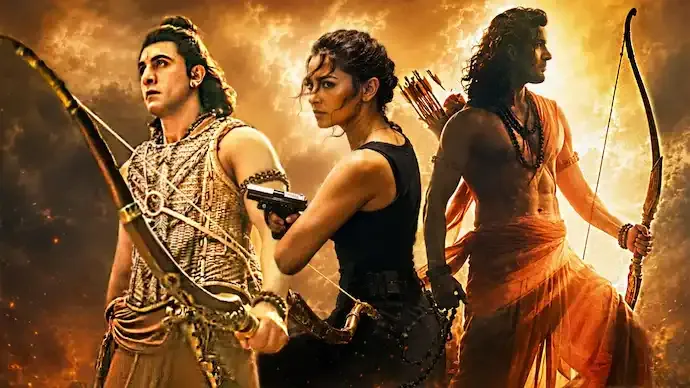
India's film industry is once again turning to one of its most revered epics, the Ramayana, but with a modern cinematic approach. Several upcoming productions, including Ramayana, Alpha and Varanasi, are drawing inspiration from characters, themes or ideas associated with the ancient epic while attempting to present them through fresh storytelling techniques.
As filmmakers experiment with new interpretations, a key question remains: Will audiences embrace these creative reimaginings, or do they prefer traditional portrayals of one of India's most sacred narratives?
Featured Snippet
A new wave of Indian films, including Ramayana, Alpha and Varanasi, is exploring modern interpretations of the Ramayana. While filmmakers hope to attract contemporary audiences through fresh storytelling, recent adaptations have shown that mythological subjects remain highly sensitive and face significant box office expectations.
Key Highlights
- Several upcoming films are inspired by themes connected to the Ramayana.
- Filmmakers are experimenting with modern interpretations of the epic.
- Recent mythological adaptations have received mixed audience responses.
- Respect for the source material remains a key factor for viewers.
- Upcoming releases will test whether fresh adaptations can succeed commercially.
Why Filmmakers Are Revisiting the Ramayana
The Ramayana continues to be one of the most influential literary and cultural works in India. Its timeless themes of duty, sacrifice, courage and righteousness have inspired generations of storytellers across literature, television and cinema.
In recent years, filmmakers have increasingly explored ways to reinterpret elements of the epic for modern audiences. Rather than presenting direct retellings, many projects now incorporate symbolic references, mythological themes or contemporary adaptations.
This creative approach aims to introduce familiar narratives while offering something new to younger viewers.
Upcoming Films Inspired by the Epic
Several major productions are expected to explore Ramayana-inspired storytelling in different ways.
Ramayana
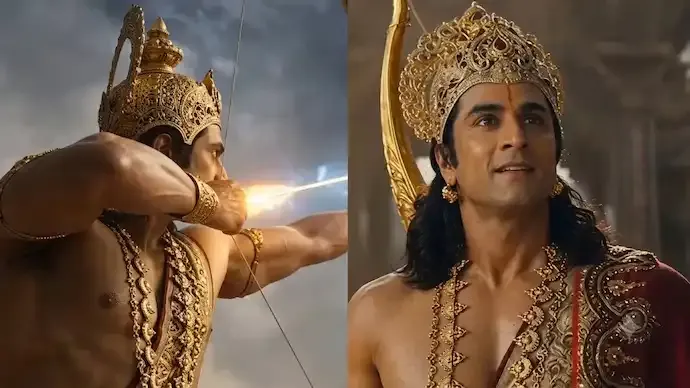
One of the most anticipated projects is Ramayana, which seeks to present a large-scale cinematic adaptation of the epic. Expectations are high due to its ambitious production values, visual effects and star-studded cast.
Alpha
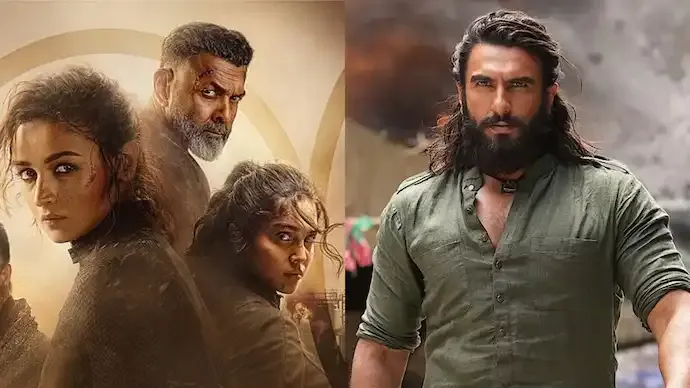
While Alpha is not a direct adaptation of the Ramayana, discussions surrounding the film suggest that it may incorporate symbolic themes and narrative elements inspired by India's mythological traditions.
Varanasi
Another upcoming project, Varanasi, is also expected to draw from cultural and spiritual themes rooted in Indian heritage while presenting its own cinematic interpretation.
Lessons From Recent Mythological Films
Adapting mythology for the big screen has become increasingly challenging.
Recent films inspired by ancient Indian epics have received varied responses from audiences. While some projects attracted attention because of their scale and visual effects, others faced criticism over creative liberties, storytelling choices and expectations regarding cultural authenticity.
These experiences demonstrate that audiences often expect filmmakers to balance innovation with respect for the original narrative.
Why Mythological Films Face Greater Scrutiny
Stories like the Ramayana hold deep religious, cultural and emotional significance for millions of people.
As a result, filmmakers working with mythological subjects often face greater public scrutiny than those adapting fictional stories. Audiences frequently evaluate not only the quality of the film but also how faithfully it represents well-known characters, traditions and values.
This creates unique creative challenges, particularly when introducing modern reinterpretations.
Box Office Expectations
Large-scale mythological productions typically involve substantial investments in visual effects, production design and marketing.
Their commercial success often depends on:
- Positive audience reception.
- Strong word-of-mouth.
- Respectful storytelling.
- High-quality visual effects.
- Compelling performances.
- Faithful adaptation of cultural themes.
A successful release can attract family audiences across generations, while negative reactions may significantly affect box office performance.
Why Audiences Continue to Love Mythological Stories
Indian mythology continues to inspire filmmakers because its stories remain relevant across generations.
Themes such as truth, sacrifice, justice, loyalty and moral responsibility continue to resonate with audiences regardless of changing cinematic trends. Modern technology has also made it possible to present these timeless narratives on a much larger visual scale.
What Happens Next?
The upcoming releases will reveal whether audiences are ready to embrace fresh interpretations of the Ramayana while preserving the essence of the original epic. Their performance could influence how Indian filmmakers approach mythological storytelling in the coming years.
Conclusion
The renewed interest in Ramayana-inspired cinema reflects the enduring influence of India's ancient epics. However, recent experiences have shown that audiences expect more than spectacular visuals—they also value authenticity, emotional depth and respect for cultural traditions. As films like Ramayana, Alpha and Varanasi prepare for release, they will face the challenge of balancing creative innovation with public expectations.
FAQs
1. Why are filmmakers revisiting the Ramayana?
The Ramayana remains one of India's most influential epics, offering timeless stories that continue to inspire modern cinema.
2. Is Alpha a direct adaptation of the Ramayana?
No. It is not presented as a direct adaptation but is discussed alongside films drawing inspiration from mythological themes.
3. Why do mythological films face greater scrutiny?
Because these stories hold deep religious and cultural significance, audiences closely examine how they are portrayed on screen.
4. What factors determine the success of mythological films?
Storytelling, performances, visual effects, cultural authenticity and audience reception all play important roles.
5. Why are Ramayana-based films popular?
The epic's universal themes of duty, courage and righteousness continue to resonate with audiences across generations.
6. What can audiences expect from upcoming Ramayana-inspired films?
Large-scale productions with modern filmmaking techniques while attempting to present familiar themes in fresh and engaging ways.




Conversation
Be kind and stay on topic. Comments are moderated; abuse, spam and personal attacks are removed. Report a problem