



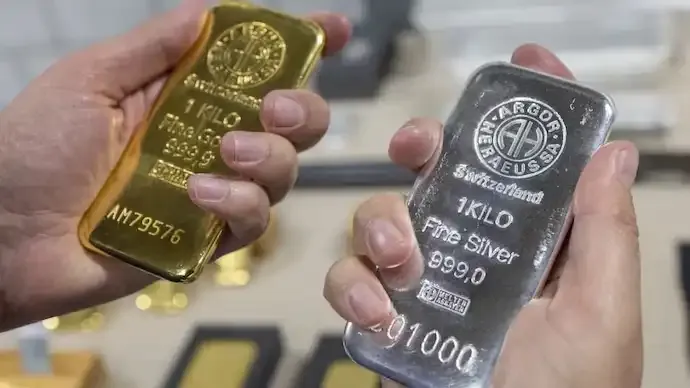
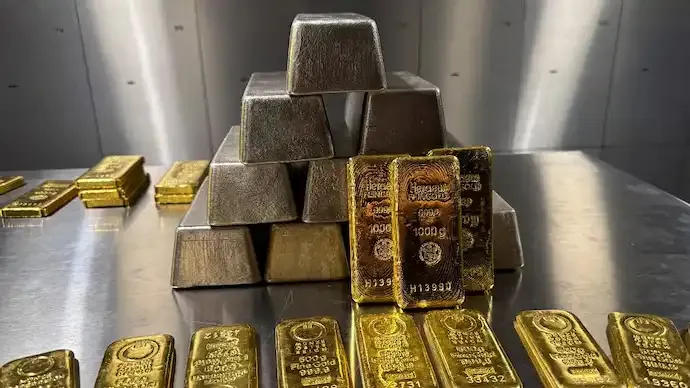
After touching record highs above ₹2 lakh per kilogram in parts of India, silver prices have seen a sharp correction following Diwali. Despite the recent drop of nearly ₹7,000 per kg since Dhanteras, experts believe the long-term outlook for silver remains bullish, backed by strong industrial demand and constrained global supply.
Over the past year, silver prices have surged nearly 98%, moving from around ₹1.1 lakh per kilogram to above ₹1.7 lakh. Analysts suggest this rally is different from previous speculative spikes seen in 1980 and 2011. Unlike those periods, today’s surge is driven by real-world industrial usage — particularly in solar energy, electric vehicles (EVs), and advanced electronics.
According to recent reports, industrial applications now account for nearly 59% of global silver consumption. The solar photovoltaic sector alone uses up to 200 million ounces of silver annually, a figure expected to rise to 450 million ounces by 2030. Each gigawatt of solar capacity requires roughly 500–600 kilograms of silver, and despite efficiency improvements, overall demand continues to grow.

Electric vehicles are another major driver, consuming 25–50 grams of silver per unit — several times more than traditional vehicles. As global EV production expands, automotive demand could reach 22 million ounces annually.
On the supply side, production constraints continue. Roughly 70–75% of global silver is mined as a by-product of copper, lead, and zinc extraction, limiting the ability to increase output even when prices rise. In 2024, global demand stood at 35,000 tonnes, exceeding supply by nearly 3,600 tonnes — one of the largest deficits in recent years. Visible stockpiles have also fallen by more than 30% since 2020, creating what analysts describe as a “high-stress environment” for prices.
Forecasts suggest that silver could reach $75 per ounce by 2026 and $77 by 2027, translating to ₹2.4–2.46 lakh per kilogram in India, aided by a weakening rupee. Short-term corrections are expected, but the broader trend appears to remain upward, with structural tightness likely to persist through 2027.
However, experts caution that silver remains a volatile asset, moving nearly twice as fast as gold. Any slowdown in the clean energy or semiconductor sectors could impact demand. Still, even with potential fluctuations, silver’s long-term fundamentals point to sustained strength.
For investors, the current dip might represent a temporary pause — not the end — of silver’s growing shine.





Conversation
Be kind and stay on topic. Comments are moderated; abuse, spam and personal attacks are removed. Report a problem