

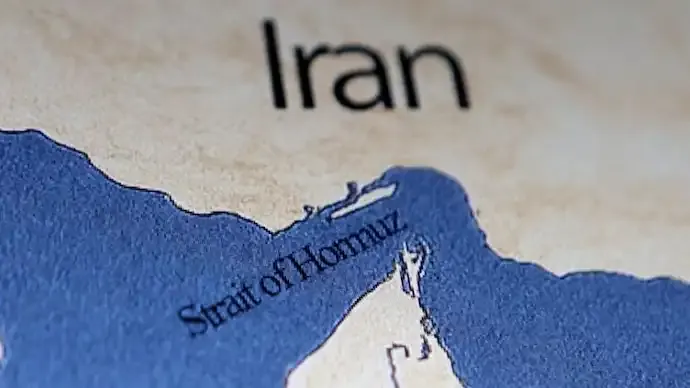

India’s energy security has come under focus after the United States announced plans to enforce a maritime blockade targeting vessels linked to Iran.
The move follows the collapse of diplomatic talks between the two nations and has sparked concerns about potential disruptions in global oil supply chains.
Strategic Importance of the Strait of Hormuz
The Strait of Hormuz is one of the world’s most critical energy routes, handling nearly one-fifth of global oil trade. A significant portion of India’s crude oil and liquefied petroleum gas (LPG) imports pass through this narrow corridor.

Any disruption in this route can have immediate consequences for India’s fuel availability and pricing.
Blockade Not a Complete Shutdown
US authorities have clarified that the proposed blockade is not a complete closure of the Strait of Hormuz. Instead, it is aimed specifically at vessels entering or exiting Iranian ports.
Commercial traffic from other countries is expected to continue, though the situation remains uncertain.
Impact on India’s Crude Oil Imports
India relies heavily on imported crude oil to meet its energy needs. Any restrictions or delays in shipments passing through the Strait of Hormuz could increase supply risks.
Higher transportation costs and insurance premiums for oil tankers may also contribute to rising fuel prices domestically.
LPG Supply Could Also Be Affected
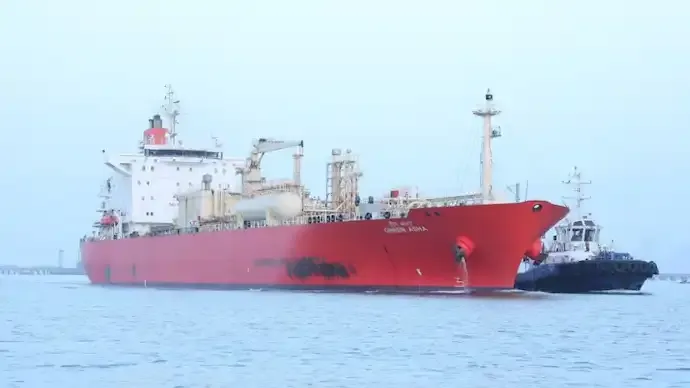
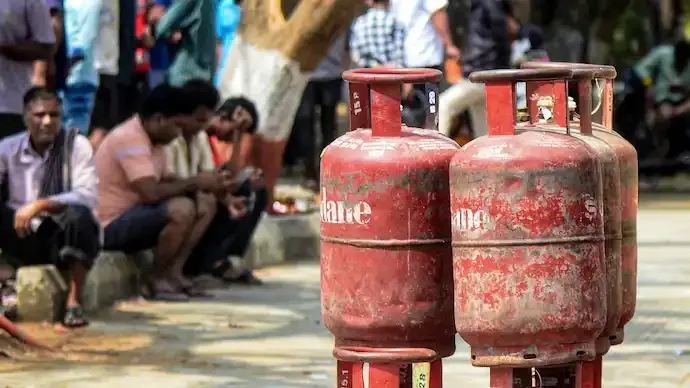
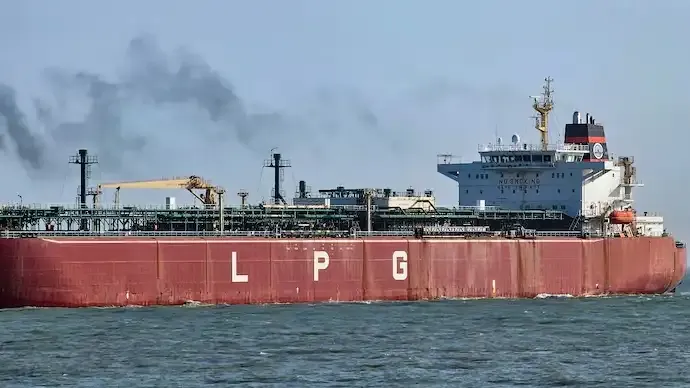
In addition to crude oil, India imports a considerable portion of its LPG through routes connected to the Strait of Hormuz. Disruptions could impact household fuel supply, particularly affecting cooking gas availability.
This could lead to increased costs for consumers and additional pressure on government subsidies.
Rising Global Oil Prices Add Pressure
The geopolitical tensions in West Asia have already led to a surge in global oil prices. Any further escalation could push prices higher, increasing India’s import bill and affecting inflation.
Possible Alternative Routes and Strategies
India may explore alternative sourcing options or shipping routes to mitigate risks. Strategic reserves and diversification of supply sources could play a key role in managing the situation.
Economic Impact on India
A prolonged disruption could affect multiple sectors, including transportation, manufacturing, and agriculture, all of which depend on stable fuel supply.
Global Uncertainty and Market Reactions
The evolving situation has created uncertainty in global markets. Investors and policymakers are closely monitoring developments in the region.
A Critical Situation for Energy Security
The US plan for a Hormuz blockade highlights the vulnerability of global energy supply chains. For India, ensuring stable access to oil and LPG remains a top priority amid ongoing geopolitical tensions.






Conversation
Be kind and stay on topic. Comments are moderated; abuse, spam and personal attacks are removed. Report a problem