



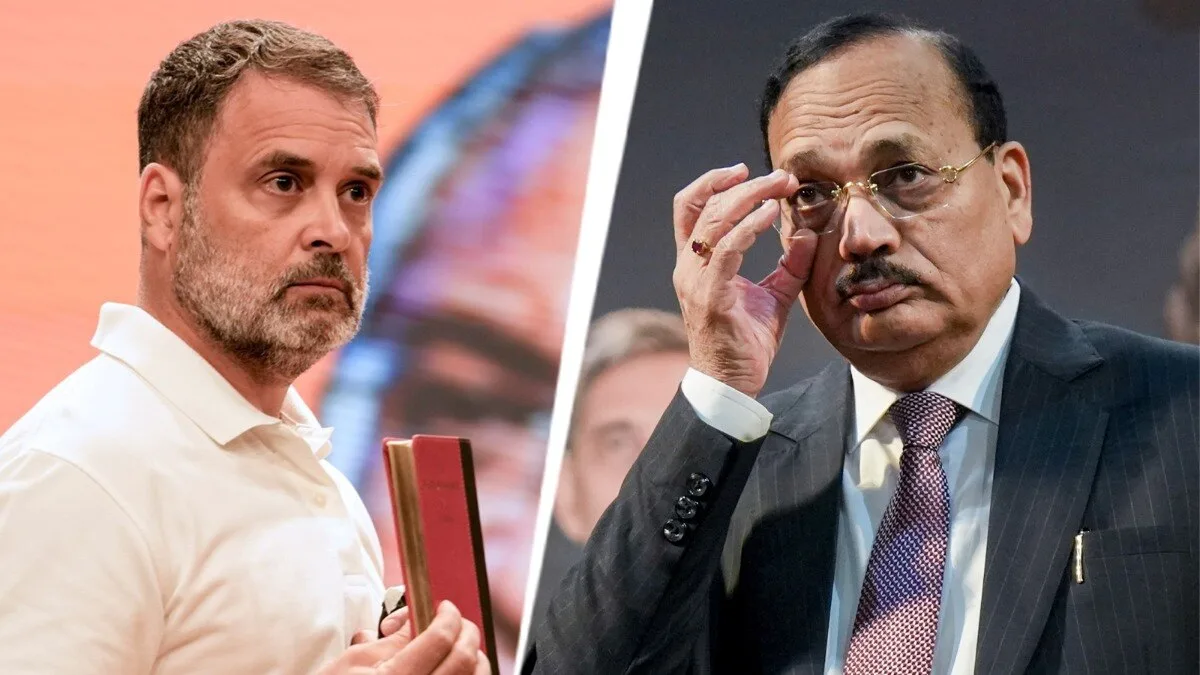
The Supreme Court contempt notices to Sanjay Raut and Nikhil Wagle mark a new development in proceedings over alleged objectionable remarks about Chief Justice of India (CJI) Surya Kant and the judiciary. On Friday, October 16, the Supreme Court issued show-cause notices to the Shiv Sena (UBT) Rajya Sabha MP and the journalist, asking them to explain their statements.
A bench comprising CJI Surya Kant and Justice Joymalya Bagchi said it would consider their explanations before deciding whether to proceed further with the criminal contempt case. The bench also exempted both individuals from personal appearance at the next hearing.
Why Did the Supreme Court Issue Contempt Notices?
The proceedings follow a petition filed by the Supreme Court Bar Association (SCBA) on October 15. SCBA president and senior advocate Pradeep Rai alleged that the remarks by Raut and Wagle went beyond fair criticism and could undermine public confidence in the judiciary.

The bench expressed concern over statements targeting the institution, noting the judiciary's role in protecting personal liberty and fundamental rights.
The SCBA had sought the personal appearance of both Raut and Wagle. However, the bench decided to issue show-cause notices first and examine their responses before determining the next course of action.
What Triggered the Controversy?
The controversy reportedly began after CJI Surya Kant declined a request for a personal meeting with a delegation of opposition parties. He indicated that the matter could instead be brought before the court through a petition.
According to the SCBA's petition, Wagle subsequently posted an allegedly abusive remark about the CJI on his X account and later reportedly withdrew it. Raut was also accused of making objectionable remarks about the judiciary.
These remain allegations raised in the contempt proceedings; the notices themselves do not establish that contempt has been committed.
Legal Proceedings Under the Contempt of Courts Act
Attorney General R Venkataramani had consented to the initiation of criminal contempt proceedings under Section 15(1)(b) of the Contempt of Courts Act, 1971. The SCBA filed its petition on October 15, and consent was granted the same day.
The Supreme Court will now consider the explanations submitted by Raut and Wagle before deciding whether the proceedings should advance. Both have been exempted from personal appearance at the next hearing.
For official information on court proceedings and orders, visit the Supreme Court of India website.







Conversation
Be kind and stay on topic. Comments are moderated; abuse, spam and personal attacks are removed. Report a problem