United States intelligence agencies have found no evidence to support Russia’s claim that Ukraine targeted Russian President Vladimir Putin or any of his residences in a recent drone incident, effectively undercutting allegations made by Moscow. According to an assessment cited by US officials, available intelligence does not indicate any attempt by Kyiv to strike the Russian leader or his properties.
The findings follow accusations by Russia earlier this week that Ukraine carried out a large-scale drone attack on one of Putin’s residences in the Novgorod region. Moscow claimed that as many as 91 long-range drones were involved in the alleged operation, framing it as a serious escalation in the conflict. Ukrainian authorities swiftly rejected the accusation, calling it baseless.
A report published by the Wall Street Journal said the US review included a detailed assessment by the Central Intelligence Agency, which concluded that there was no indication Ukraine attempted to target Putin or any of his residences. US national security officials reportedly examined satellite data, signals intelligence, and other classified inputs before arriving at the conclusion. The assessment contradicts Russia’s assertion that the incident represented a direct threat to Putin’s life.
The controversy briefly drew comments from Donald Trump, who initially said he had been informed by Putin about the alleged attack. Trump told reporters that the Russian leader was “very angry” over the incident, while also acknowledging that the claims could later prove to be untrue. He noted that while offensive military actions were part of the conflict, an alleged attack on a leader’s residence would represent a serious escalation.
In subsequent remarks, Trump appeared to leave room for doubt, emphasising that the situation required verification before conclusions were drawn. Days later, he shared a social media post highlighting criticism of Russia’s role in ongoing peace efforts related to the Ukraine conflict, signalling a more sceptical stance toward Moscow’s narrative.
Ukraine has characterised Russia’s allegation as part of a broader disinformation effort aimed at damaging Kyiv’s relationship with Washington. Ukrainian officials argued that the timing of the claim was particularly notable, coming shortly after talks between Trump and Volodymyr Zelenskyy, which both sides described as constructive. Kyiv has maintained that the accusation was designed to create mistrust between Ukraine and its Western allies.
Several European officials have also publicly rejected Russia’s claims, stating that there was no credible evidence to suggest an attempted strike on Putin’s residence. They cautioned against the use of unverified allegations at a time when diplomatic efforts to de-escalate the conflict remain fragile.
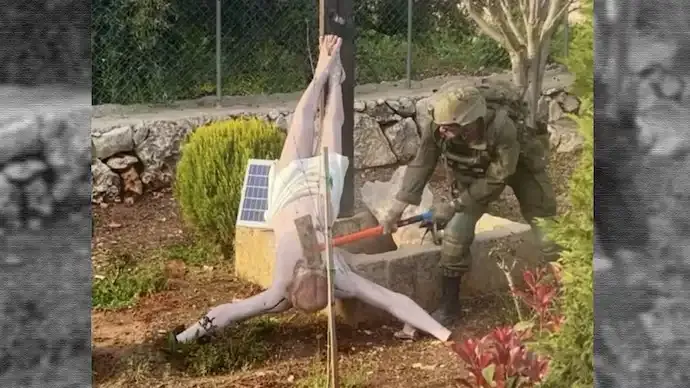
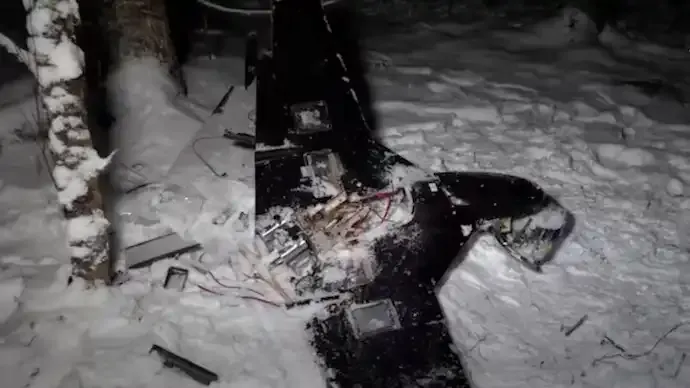
Despite mounting pushback, Moscow has continued to stand by its version of events. Russian Foreign Minister Sergei Lavrov reiterated claims that Ukraine attempted to strike a presidential residence and warned that Russia could reconsider its negotiating position as a result. The Russian defence ministry later released video footage that it said showed debris from a downed Ukrainian drone, asserting that it carried an explosive payload that failed to detonate.
Ukraine dismissed the footage as misleading and said it was fully confident that no such operation had taken place. Regional authorities in Novgorod previously reported drone interceptions by air defences but did not link them to any attempt on Putin’s residence.
As intelligence assessments from the United States and responses from European officials challenge Moscow’s account, the episode has added another layer of tension and competing narratives to the already complex information war surrounding the conflict.