

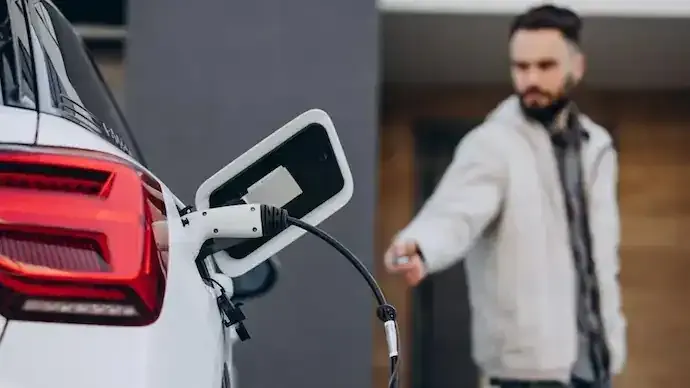

The Delhi government has introduced a comprehensive draft of its Electric Vehicle (EV) Policy 2026–2030, aiming to accelerate the transition toward clean and sustainable mobility. The policy outlines a wide range of incentives and regulatory measures designed to make electric vehicles more accessible and attractive for consumers.
The draft has been placed in the public domain for feedback over a period of 30 days, allowing stakeholders and citizens to contribute before final implementation.
100% Road Tax Waiver and Major Cost Benefits
One of the most significant proposals in the draft policy is a complete waiver of road tax on electric vehicles until 2030. This move is expected to substantially reduce the cost of ownership and encourage more buyers to shift from conventional fuel-powered vehicles to EVs.

In addition, the policy proposes financial incentives of up to Rs 1 lakh for certain categories of electric vehicles, making them more affordable for the average consumer.
Large-Scale Investment to Boost EV Ecosystem
The government has planned an estimated outlay of approximately Rs 3,954 crore to support the policy. This investment will be directed toward infrastructure development, subsidies, and initiatives aimed at strengthening the EV ecosystem.
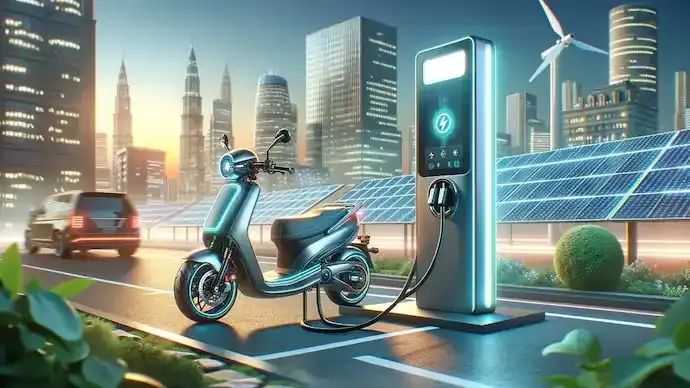
Key focus areas include expanding charging infrastructure, promoting local manufacturing, and supporting innovation in electric mobility technologies.
Push for Rapid EV Adoption
The draft policy sets ambitious targets for increasing the share of electric vehicles in Delhi’s overall transportation system. Authorities aim to significantly reduce pollution levels by encouraging widespread adoption of EVs across private and commercial segments.
Measures may include stricter norms for transitioning to electric fleets and incentives for businesses to adopt EV-based logistics and transportation.
Focus on Sustainability and Urban Mobility
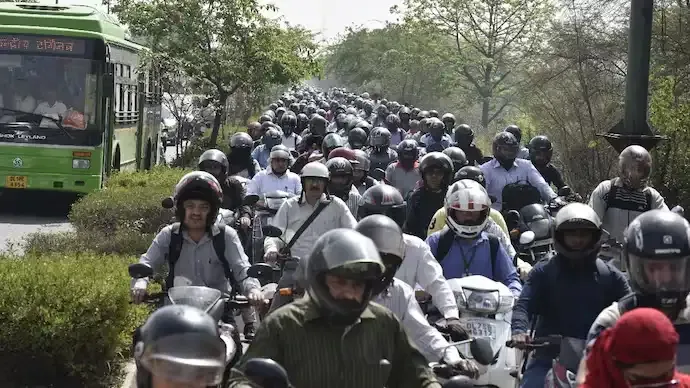
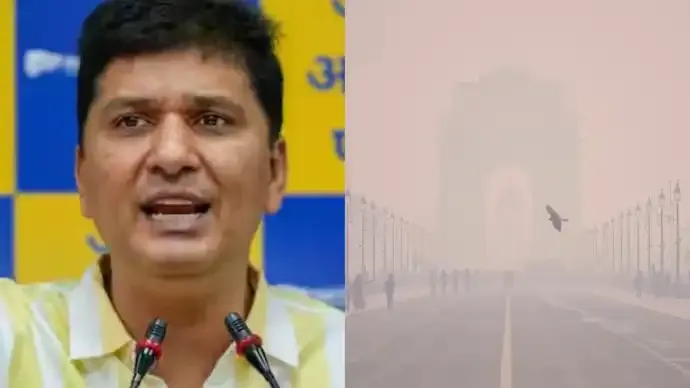
Delhi has long faced challenges related to air pollution and traffic congestion. The EV policy is part of a broader strategy to address these issues by promoting cleaner alternatives and reducing dependence on fossil fuels.
By prioritizing electric mobility, the government aims to create a more sustainable urban transport system.
Public Feedback to Shape Final Policy
The draft policy has been opened for public consultation, giving citizens, industry experts, and stakeholders an opportunity to provide input. This participatory approach is expected to refine the policy and ensure it addresses practical challenges.
Feedback collected during this period will play a crucial role in shaping the final version of the policy.
A Major Step Toward Clean Transport Future
If implemented effectively, the Delhi EV Policy 2026–2030 could become one of the most impactful mobility initiatives in India. The combination of financial incentives, infrastructure development, and regulatory support is expected to drive significant change.
As the consultation process continues, all eyes will be on how the policy evolves and contributes to transforming Delhi into a leading hub for electric mobility.





Conversation
Be kind and stay on topic. Comments are moderated; abuse, spam and personal attacks are removed. Report a problem