

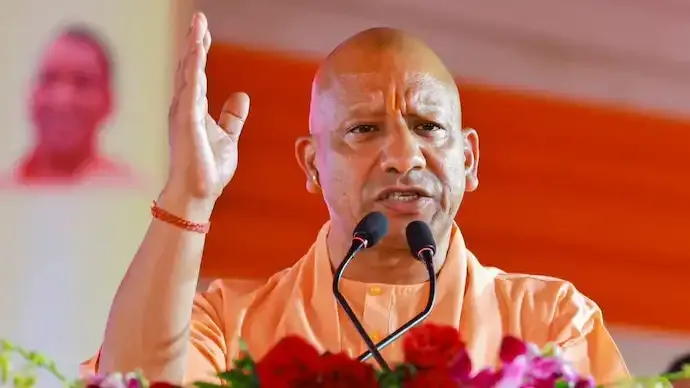

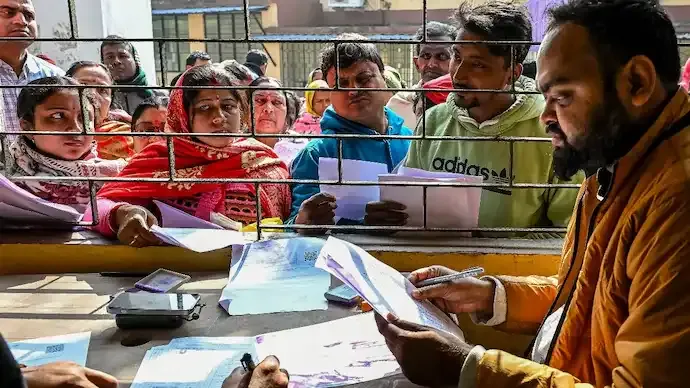
The recent Special Intensive Revision (SIR) of electoral rolls in Uttar Pradesh has led to the removal of over 2.04 crore names, significantly reshaping the state’s voter base. The exercise has drawn attention due to its uneven impact across different regions.
Data from the revision indicates that areas traditionally considered strongholds of the Bharatiya Janata Party have witnessed a higher number of deletions compared to other regions.
Overall Voter Base Sees Significant Decline
The revision has resulted in a reduction of approximately 13.24% in the total voter base of the state. This marks one of the highest rates of voter deletions in the country, second only to Gujarat.

Such a large-scale revision is aimed at updating electoral rolls by removing duplicate, shifted, or ineligible entries, but it has also sparked political debate.
Disproportionate Impact on BJP-Linked Areas
A closer analysis of the data suggests that constituencies where the BJP has traditionally performed strongly have seen more significant changes in voter rolls.
This observation aligns with earlier remarks made by Yogi Adityanath, who had indicated that a large number of deletions might affect BJP supporters.
The findings have added a new dimension to political discussions around the revision process.
Political Reactions and Concerns
The voter roll revision has triggered reactions from various political groups. While some view it as a necessary administrative exercise to ensure electoral accuracy, others have raised concerns about its potential political implications.
Questions have also been raised about the criteria used for deletions and whether the process has been uniformly applied across regions.
Impact on Future Elections
The changes in voter rolls are expected to influence upcoming elections in the state. A reduction in voter numbers, especially in key constituencies, could alter electoral dynamics and campaign strategies.
Political parties are likely to reassess their outreach efforts and focus on re-engaging with voters who remain on the rolls.
Importance of Transparent Electoral Processes
Experts emphasize that electoral roll revisions must be conducted with transparency and fairness to maintain public trust. Ensuring that eligible voters are not excluded is critical to the integrity of the democratic process.
Authorities have stated that mechanisms are in place for individuals to verify their status and request corrections if needed.
Ongoing Debate Around Electoral Changes
As the implications of the revision continue to unfold, the issue remains a topic of debate in political and public circles. The focus will remain on how these changes impact representation and voter participation in future elections.
The situation highlights the importance of accurate and updated electoral data in shaping democratic outcomes.







Conversation
Be kind and stay on topic. Comments are moderated; abuse, spam and personal attacks are removed. Report a problem