Shopping cart
Your cart empty!


Your cart empty!
Terms of use dolor sit amet consectetur, adipisicing elit. Recusandae provident ullam aperiam quo ad non corrupti sit vel quam repellat ipsa quod sed, repellendus adipisci, ducimus ea modi odio assumenda.
Lorem ipsum dolor sit amet consectetur adipisicing elit. Sequi, cum esse possimus officiis amet ea voluptatibus libero! Dolorum assumenda esse, deserunt ipsum ad iusto! Praesentium error nobis tenetur at, quis nostrum facere excepturi architecto totam.
Lorem ipsum dolor sit amet consectetur adipisicing elit. Inventore, soluta alias eaque modi ipsum sint iusto fugiat vero velit rerum.
Sequi, cum esse possimus officiis amet ea voluptatibus libero! Dolorum assumenda esse, deserunt ipsum ad iusto! Praesentium error nobis tenetur at, quis nostrum facere excepturi architecto totam.
Lorem ipsum dolor sit amet consectetur adipisicing elit. Inventore, soluta alias eaque modi ipsum sint iusto fugiat vero velit rerum.
Dolor sit amet consectetur adipisicing elit. Sequi, cum esse possimus officiis amet ea voluptatibus libero! Dolorum assumenda esse, deserunt ipsum ad iusto! Praesentium error nobis tenetur at, quis nostrum facere excepturi architecto totam.
Lorem ipsum dolor sit amet consectetur adipisicing elit. Inventore, soluta alias eaque modi ipsum sint iusto fugiat vero velit rerum.
Sit amet consectetur adipisicing elit. Sequi, cum esse possimus officiis amet ea voluptatibus libero! Dolorum assumenda esse, deserunt ipsum ad iusto! Praesentium error nobis tenetur at, quis nostrum facere excepturi architecto totam.
Lorem ipsum dolor sit amet consectetur adipisicing elit. Inventore, soluta alias eaque modi ipsum sint iusto fugiat vero velit rerum.
Do you agree to our terms? Sign up
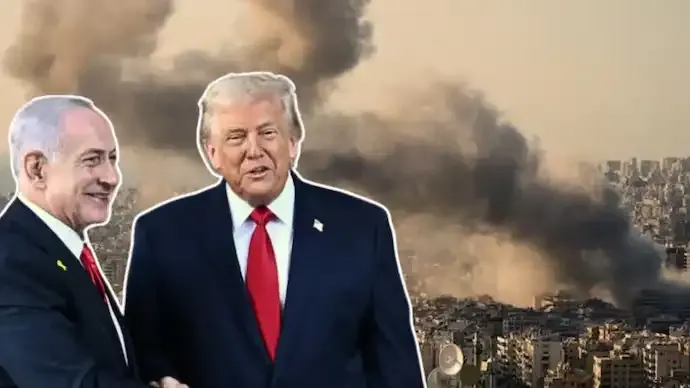
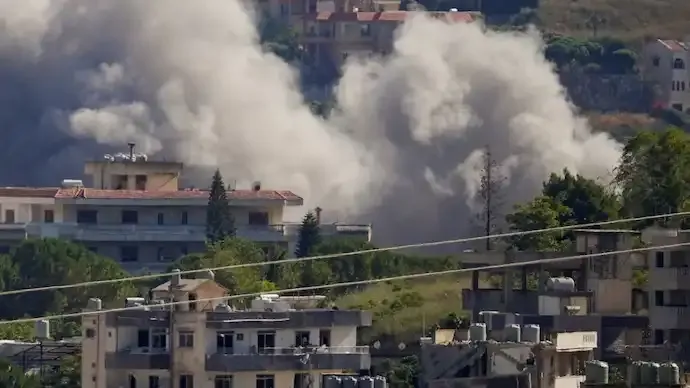
The ongoing conflict involving the United States, Israel, and Iran has entered its 18th day, raising a crucial question across global political and strategic circles: who is actually winning this war? The answer, however, is far from straightforward. Unlike conventional wars with clearly defined battle lines, this conflict reflects the complexity of asymmetric warfare, where outcomes are measured not just by territory gained, but by strategic impact, resilience, and long-term positioning.
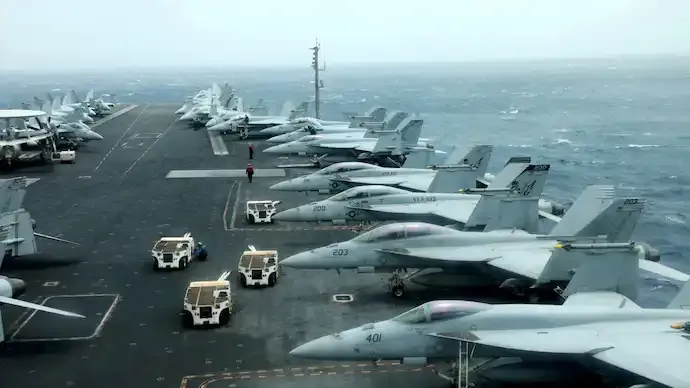
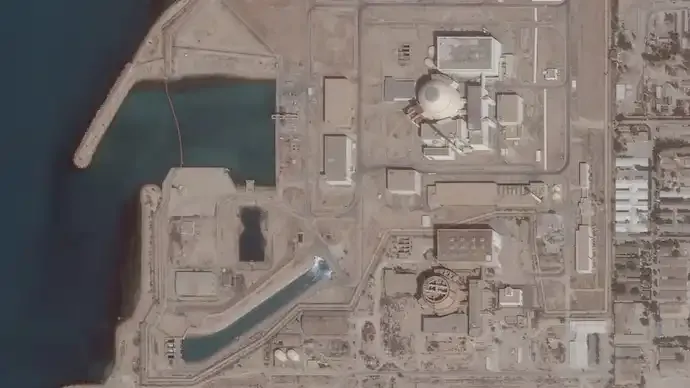
On one side, the United States and Israel have focused on high-value strategic objectives. Their approach has reportedly centered on weakening Iran’s military capabilities, particularly its missile systems and nuclear infrastructure. Another major objective has been to disrupt Iran’s leadership structure and reduce its influence in the region. These actions indicate a strategy aimed at long-term containment and potential regime pressure in Tehran.
From Iran’s perspective, the narrative is significantly different. Iranian leadership has projected confidence and resilience, describing their response as strong and effective. Officials have emphasized their readiness to sustain the conflict for as long as necessary, framing the war as a test of endurance rather than a short-term military engagement. This messaging is aimed at both domestic and international audiences, reinforcing the idea of resistance against external pressure.
One of the defining features of this conflict is the difference in capabilities and tactics. The US and Israel possess advanced military technology, precision strike capabilities, and intelligence superiority. In contrast, Iran relies on a combination of regional alliances, asymmetric tactics, and strategic deterrence, including missile systems and influence through proxy networks.
Despite multiple claims of success from both sides, there is no clear or decisive outcome so far. Statements of victory have emerged, particularly from US leadership, but these claims are countered by Iran’s continued operational presence and its ability to respond. This highlights the core nature of the conflict — a war of narratives as much as a war of strategy.
Experts suggest that determining a “winner” in such a situation depends largely on the original objectives of each side. If the goal is to degrade military capabilities, partial success may be visible. However, if the aim includes political transformation or regime change, the results remain uncertain.
Looking ahead, the possible end scenarios of the conflict vary widely. It could move towards a negotiated de-escalation under international pressure, or it may continue as a prolonged low-intensity confrontation. There is also the risk of further escalation, especially if additional regional actors become involved.
As the situation evolves, the world continues to watch closely. The outcome of this conflict will not only shape Middle Eastern geopolitics but also have a lasting impact on global security, energy markets, and international alliances.
47
Published: Mar 18, 2026

All India Story is your trusted source for comprehensive and up-to-the-minute news coverage across India. Bringing you the latest on politics, business, technology, entertainment, sports, and more, we are dedicated to keeping you informed with accurate, engaging, and insightful stories from every corner of the nation.