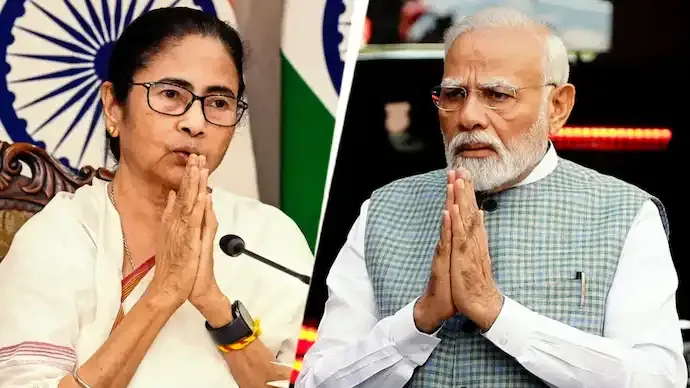
As West Bengal prepares for the 2026 Assembly elections, political competition between the Trinamool Congress (TMC) and the Bharatiya Janata Party (BJP) is intensifying across the state. With more than 7.3 crore voters set to participate, the election has emerged as one of the most closely watched political contests in India.
The Election Commission has scheduled the voting in two phases on April 23 and April 29, covering all 294 seats in the West Bengal Legislative Assembly. Political analysts believe that the outcome will largely depend on the performance of both parties in several key regions that have become decisive battlegrounds.
Among the total voters, around 1.31 crore are young voters who will play a major role in shaping the election outcome. This large youth demographic has become a major focus for political parties, with both the TMC and BJP tailoring their campaign messages to address employment opportunities, education, and economic aspirations.
The upcoming election is expected to revolve around a mix of welfare policies, identity politics, economic concerns, and regional issues. These factors are shaping the strategies of both major parties as they attempt to consolidate their support bases across different regions of the state.
One of the major strengths of the Trinamool Congress has been its extensive welfare network. Over the past several years, the state government has launched multiple welfare schemes targeting women, farmers, and economically weaker communities. These programmes have helped the party maintain strong support in many rural and semi-urban constituencies.
The BJP, on the other hand, is focusing its strategy on expanding its influence in regions where electoral margins have historically been narrow. The party is targeting swing constituencies and areas where political loyalties have shown signs of shifting in recent elections.
Political observers note that several regions across the state will play a decisive role in determining the final outcome. These battleground zones include areas where demographic diversity, community dynamics, and economic issues intersect strongly with electoral politics.
In many constituencies, identity-based politics linked to caste, religion, and community representation continues to influence voter behaviour. At the same time, economic issues such as job opportunities, infrastructure development, and industrial growth remain central concerns for voters across the state.
Border districts and regions with strong community identities are also expected to witness intense political competition. These areas often experience closely contested elections, making them crucial in determining the final seat tally for major parties.
The BJP is aiming to significantly increase its seat count and cross the 100-seat mark in the assembly, which would mark a major breakthrough for the party in West Bengal politics. Meanwhile, the Trinamool Congress is focused on retaining its strong majority and continuing its governance in the state.
As campaigning intensifies in the coming weeks, political rallies, public outreach programmes, and social media campaigns are expected to shape the narrative leading up to the election.
With millions of voters preparing to cast their ballots, the 2026 West Bengal Assembly elections are shaping up to be a high-stakes political contest where regional dynamics, welfare policies, and voter aspirations will ultimately decide the balance of power in the state.
Prev Article
CBI Arrests Kanpur Man for Sending Indians to Overseas Cyber Scam Compounds
Next Article
Iran Embassy in India Seeks Cash Donations Amid Banking Transfer Issues During Conflict