



India’s monsoon rainfall deficit has widened significantly in September, raising concerns about agriculture, water availability and food prices as the southwest monsoon approaches its final phase.
According to the latest rainfall data, India received 44.3 mm of rain between September 1 and September 9, compared with the normal rainfall of 59.9 mm for the period. This represents a rainfall deficit of 26 per cent during the first nine days of September.
The overall southwest monsoon season has also recorded a significant shortfall. From June 1 to September 9, the country received 648 mm of rainfall against the normal 760.6 mm, resulting in a seasonal rainfall deficit of 15 per cent.

The uneven distribution of rainfall has increased concerns across several parts of the country. Prolonged dry spells in different regions are putting additional pressure on agricultural activity, soil moisture, reservoirs and water resources.
The September rainfall situation is particularly important for kharif crops, many of which are currently at crucial stages of growth. Crops including rice, cotton, soybean, maize, pulses and oilseeds depend on adequate rainfall and sufficient soil moisture during this period. A continued rainfall shortage could affect agricultural output in areas already experiencing dry conditions.
Rainfall patterns have varied considerably between states. Several major agricultural regions, including Rajasthan, Bihar and Chhattisgarh, have reported substantial seasonal rainfall deficits. Andhra Pradesh has also recorded a particularly large shortfall.
The rainfall situation during the first nine days of September has been weak across several parts of central and southern India. Andhra Pradesh, Tamil Nadu, Kerala, Karnataka, Telangana and Chhattisgarh are among the regions that have experienced rainfall below normal levels during the month so far.
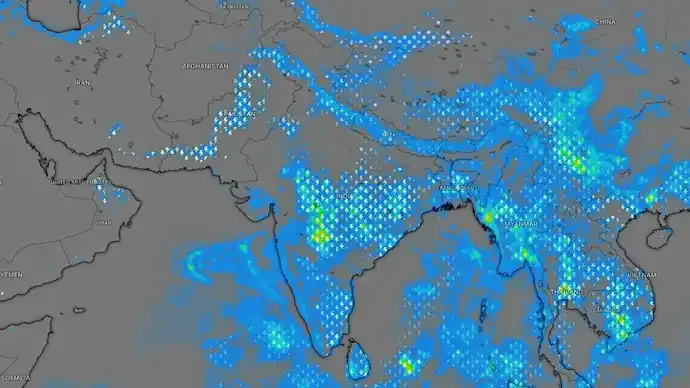
Satellite observations also indicate reduced cloud cover across large parts of India. Although active cloud systems continue over areas around the Bay of Bengal, extensive portions of western, central and northern India have remained relatively clear.
The decline in cloud activity is significant because the monsoon is now entering its final stage. With fewer weeks remaining in the season, there is growing uncertainty over whether upcoming weather systems will be strong and widespread enough to reduce the accumulated rainfall deficit.
The rainfall shortfall could also have wider economic consequences. A large number of districts have experienced below-average rainfall, increasing concerns about agricultural production and water availability. Any significant reduction in crop output could also contribute to pressure on food prices.
However, the monsoon season is not over yet. Fresh weather systems could still bring heavy rainfall to some parts of the country in the coming weeks. The key factor will be whether these systems produce enough widespread rain to improve soil moisture, support crops and reduce India’s overall monsoon rainfall deficit before the season ends.






Conversation
Be kind and stay on topic. Comments are moderated; abuse, spam and personal attacks are removed. Report a problem