

Shopping cart
Your cart empty!
Terms of use dolor sit amet consectetur, adipisicing elit. Recusandae provident ullam aperiam quo ad non corrupti sit vel quam repellat ipsa quod sed, repellendus adipisci, ducimus ea modi odio assumenda.
Lorem ipsum dolor sit amet consectetur adipisicing elit. Sequi, cum esse possimus officiis amet ea voluptatibus libero! Dolorum assumenda esse, deserunt ipsum ad iusto! Praesentium error nobis tenetur at, quis nostrum facere excepturi architecto totam.
Lorem ipsum dolor sit amet consectetur adipisicing elit. Inventore, soluta alias eaque modi ipsum sint iusto fugiat vero velit rerum.
Sequi, cum esse possimus officiis amet ea voluptatibus libero! Dolorum assumenda esse, deserunt ipsum ad iusto! Praesentium error nobis tenetur at, quis nostrum facere excepturi architecto totam.
Lorem ipsum dolor sit amet consectetur adipisicing elit. Inventore, soluta alias eaque modi ipsum sint iusto fugiat vero velit rerum.

Dolor sit amet consectetur adipisicing elit. Sequi, cum esse possimus officiis amet ea voluptatibus libero! Dolorum assumenda esse, deserunt ipsum ad iusto! Praesentium error nobis tenetur at, quis nostrum facere excepturi architecto totam.
Lorem ipsum dolor sit amet consectetur adipisicing elit. Inventore, soluta alias eaque modi ipsum sint iusto fugiat vero velit rerum.
Sit amet consectetur adipisicing elit. Sequi, cum esse possimus officiis amet ea voluptatibus libero! Dolorum assumenda esse, deserunt ipsum ad iusto! Praesentium error nobis tenetur at, quis nostrum facere excepturi architecto totam.
Lorem ipsum dolor sit amet consectetur adipisicing elit. Inventore, soluta alias eaque modi ipsum sint iusto fugiat vero velit rerum.
Do you agree to our terms? Sign up
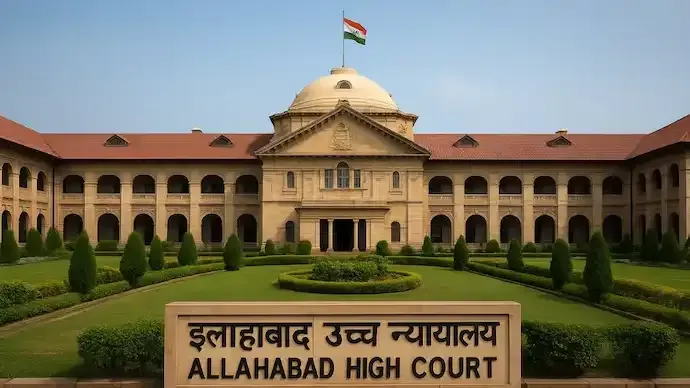
In a significant ruling highlighting the consequences of prolonged judicial delays, the Allahabad High Court has acquitted a 100-year-old man who had been convicted in a decades-old murder case. The verdict brings closure to a legal battle that began more than 40 years ago and underscores the challenges posed by long-pending criminal appeals in India’s justice system.
The case dates back to August 9, 1982, when a fatal shooting took place in Uttar Pradesh’s Hamirpur district, reportedly linked to a land dispute. According to the prosecution’s account, the primary accused allegedly fired the fatal shot, while others were accused of instigating the attack. A sessions court later convicted the accused individuals in 1984 and sentenced them to life imprisonment under charges related to murder with common intention.
Following the conviction, the accused challenged the verdict before the High Court and were granted bail while their appeal remained pending. Over the decades, the case saw little movement, reflecting the heavy backlog faced by courts handling older criminal matters. During this prolonged period, one of the co-accused passed away, leaving the surviving appellant to continue the legal battle alone.
While setting aside the conviction, the High Court noted several factors, including the extraordinary delay in hearing the appeal and the advanced age of the surviving accused. The bench also highlighted gaps in the prosecution’s case and extended the benefit of doubt, ultimately acquitting the man of all charges. The court ordered the discharge of his bail bonds, effectively ending the legal proceedings that had spanned more than four decades.
The judgment has drawn attention to broader systemic issues within the criminal justice framework, particularly the impact of delayed appeals on both accused individuals and victims’ families. Legal observers note that prolonged pendency can affect the availability of evidence, witness testimony, and overall fairness of trials, making it increasingly difficult to sustain convictions after many years.
Experts say that cases involving extended delays often raise questions about procedural efficiency and access to timely justice. In this instance, the court’s decision reflects the principle that justice must consider not only the original allegations but also the circumstances that evolve over time, including ageing accused persons and incomplete prosecution narratives.
The ruling is expected to reignite debate on judicial reforms aimed at reducing case backlogs and ensuring faster resolution of criminal appeals. With thousands of cases across various courts awaiting final decisions for years, the verdict highlights the urgent need for systemic improvements that balance accountability with fairness.
As discussions continue around the pace of legal proceedings in India, the acquittal serves as a reminder of the human dimension behind prolonged litigation. The case illustrates how delays can shape outcomes decades later, influencing the lives of those involved and shaping public perception of the justice delivery system.
62
Published: Feb 05, 2026