
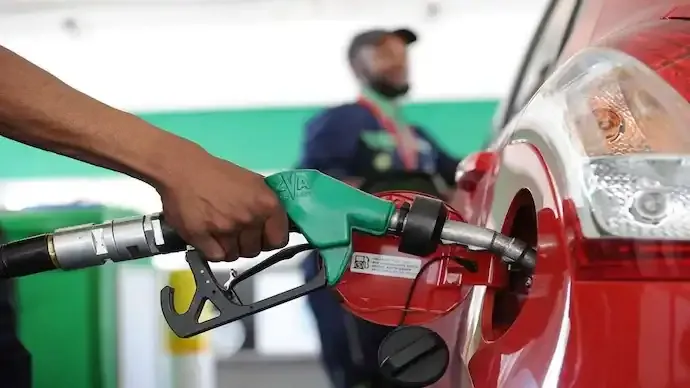
The Indian government has announced a major reduction in excise duty on petrol and diesel, raising hopes of relief for consumers. The excise duty on petrol has been reduced from ₹13 per litre to ₹3, while diesel duty has been brought down from ₹10 per litre to zero.
At first glance, this move appears to directly benefit the public by lowering fuel costs. However, whether this will lead to an actual reduction in retail prices at petrol pumps remains uncertain.
How Fuel Prices Are Decided in India
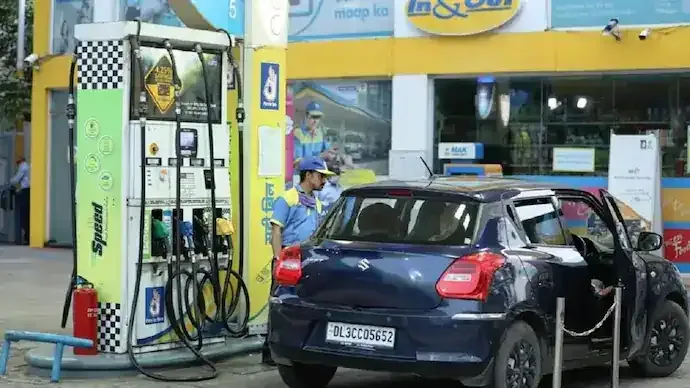
In India, petrol and diesel prices are not directly controlled by the government. Instead, they are determined by oil marketing companies based on several factors.
These companies consider global crude oil prices, currency exchange rates, transportation costs, and their own profit margins before setting retail fuel prices. This means that even if taxes are reduced, other factors can influence the final price consumers pay.
Why Prices May Not Fall Immediately
Despite the excise duty cut, there is no guarantee that petrol and diesel prices will decrease in the short term. One major reason is the current volatility in global crude oil markets, largely influenced by the ongoing West Asia conflict.
If crude oil prices remain high or continue to rise, oil companies may adjust retail prices accordingly, offsetting the benefit of reduced excise duty.
Additionally, companies may use the duty cut to recover previous losses instead of passing the full benefit to consumers. This is a common practice during periods of global price instability.
Impact of Global Oil Market and Iran Crisis
The ongoing tensions in West Asia, particularly involving Iran, have added uncertainty to global oil supply chains. The Strait of Hormuz, a key oil transit route, remains under close watch, and any disruption could push crude prices higher.
India, which relies heavily on oil imports, is directly affected by such global developments. As a result, domestic fuel pricing often reflects international trends rather than just internal policy changes.
What Consumers Can Expect
While the excise duty cut is a positive step, consumers may not see an immediate drop in fuel prices. Any potential reduction will depend on how global oil prices behave in the coming days and how oil companies respond.
If crude prices stabilize or decrease, consumers could benefit from lower petrol and diesel rates. However, if global tensions continue, the relief may remain limited.
Balancing Policy and Market Forces
The government’s move aims to ease inflationary pressure and provide some relief to the public. However, fuel pricing in India is influenced by a complex mix of global and domestic factors.
For now, the situation remains uncertain, and consumers will need to watch how both international markets and domestic pricing strategies evolve.


Conversation
Be kind and stay on topic. Comments are moderated; abuse, spam and personal attacks are removed. Report a problem