

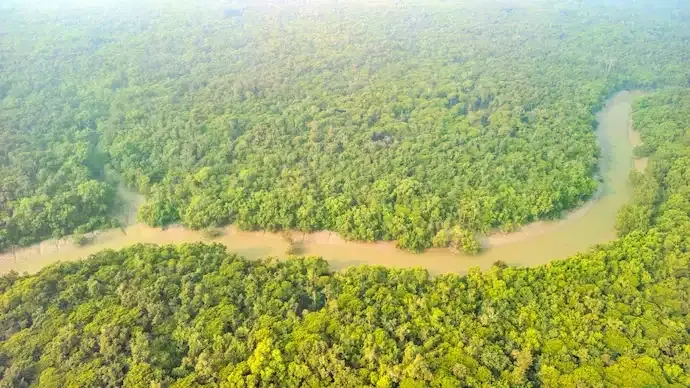

What Are Ghost Forests?
Ghost forests are areas where once-thriving coastal forests have died due to environmental changes, leaving behind clusters of pale, lifeless tree trunks. These forests are primarily formed due to rising sea levels and the intrusion of saltwater into freshwater ecosystems.
As climate change accelerates, such landscapes are becoming more common, especially along coastal regions like the eastern United States.
Why Scientists Are Studying Ghost Forests
Researchers now believe that ghost forests are not just signs of environmental damage but valuable natural laboratories. These ecosystems provide insights into how forests respond to extreme climate conditions such as rising seas, flooding, and salinity changes.

By studying these areas, scientists can better understand how ecosystems collapse and adapt, which may help in developing strategies to protect vulnerable environments.
Role of Climate Change in Their Formation
The primary cause behind ghost forests is climate change. Rising global temperatures lead to melting ice caps and higher sea levels, which push saltwater into coastal lands.
Saltwater damages tree roots and prevents them from absorbing nutrients, eventually causing trees to die. Over time, entire forests transform into ghostly landscapes.
New Discoveries Offer Hope
Recent studies have revealed unexpected findings in these forests. Scientists observed unusually high sugar concentrations in the stemflow of stressed and dying trees.
This suggests that trees may be attempting to adapt to environmental stress before dying. Understanding such responses could help researchers develop ways to improve forest resilience.
Lessons for the Future of Earth’s Ecosystems
Ghost forests provide critical data on how ecosystems react under stress. They help scientists predict future environmental changes and identify areas that are most at risk.
These insights are essential for planning conservation efforts, restoring damaged ecosystems, and preparing for the long-term impacts of climate change.
Global Relevance Beyond Coastal Regions
While ghost forests are most visible in coastal areas, the lessons they offer are globally relevant. Similar environmental stress factors can affect forests in other regions as well.
Understanding these patterns can help policymakers and environmentalists take proactive steps to protect biodiversity and natural resources.
A Warning and an Opportunity
Ghost forests serve as both a warning sign and an opportunity. They highlight the urgent need to address climate change while also offering valuable knowledge that could help mitigate its effects.
By studying these unique ecosystems, scientists hope to find solutions that can support the survival of forests and, ultimately, the planet.









Conversation
Be kind and stay on topic. Comments are moderated; abuse, spam and personal attacks are removed. Report a problem