



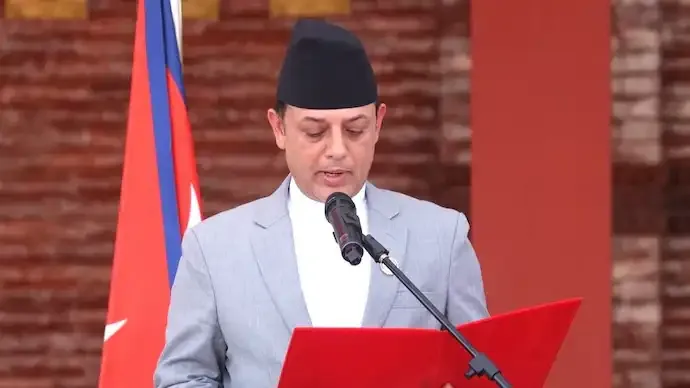
Rapper-turned-politician Balendra Shah, popularly known as Balen, has taken oath as the youngest Prime Minister of Nepal at the age of 35. His rise to the top post marks a significant shift in Nepal’s political landscape.
Shah assumed office after being unanimously elected as the Parliamentary leader of the Rastriya Swatantra Party (RSP), officially paving the way for him to lead the government.
Massive Electoral Victory Changes Political Landscape
The RSP secured a sweeping victory in the recent parliamentary elections, winning 182 out of 275 seats in the House of Representatives. This landslide result reflects strong public support for change, especially after last year’s widespread youth-led protests demanding a corruption-free system and new leadership.

The victory significantly weakened traditional political parties. The Nepali Congress managed only 38 seats, while the Communist Party of Nepal (Unified Marxist-Leninist) (CPN-UML) secured 25 seats. Other parties saw even lower representation, highlighting a major shift in voter sentiment.
Defeats Veteran Leader in Key Constituency
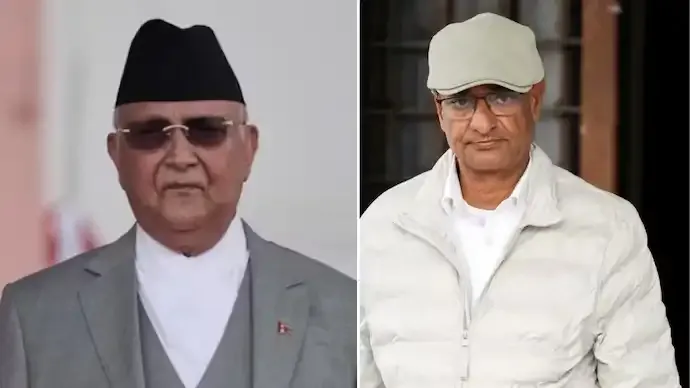
In a major political upset, Shah defeated former Prime Minister K P Sharma Oli in the Jhapa-5 constituency, a region long considered a stronghold of the CPN-UML. This victory further solidified his position as a rising political force in Nepal.
His success is being seen as a clear message from voters seeking generational change and new leadership.
Government Formation Process Begins
Following the oath-taking ceremony of newly elected members of parliament at Singha Durbar, Shah was sworn in as Prime Minister at Sheetal Niwas, the official residence of the President.
The RSP’s central committee has authorised Shah to form the new cabinet. According to sources, the cabinet is expected to include around 15 to 18 members, with announcements likely soon.
A New Era in Nepal Politics
Shah’s rise represents a major transformation in Nepal’s political system. His background as a public figure outside traditional politics, combined with strong youth support, has played a key role in his success.
The emergence of the RSP and its overwhelming victory indicate a growing demand for transparency, accountability, and reform in governance.
Focus on Reform and Governance
As the youngest Prime Minister, Shah is expected to bring fresh perspectives and focus on issues such as corruption, governance reforms, and economic development.
His leadership marks the beginning of a new political chapter in Nepal, with expectations of significant policy changes and a shift towards modern governance practices.




Conversation
Be kind and stay on topic. Comments are moderated; abuse, spam and personal attacks are removed. Report a problem