

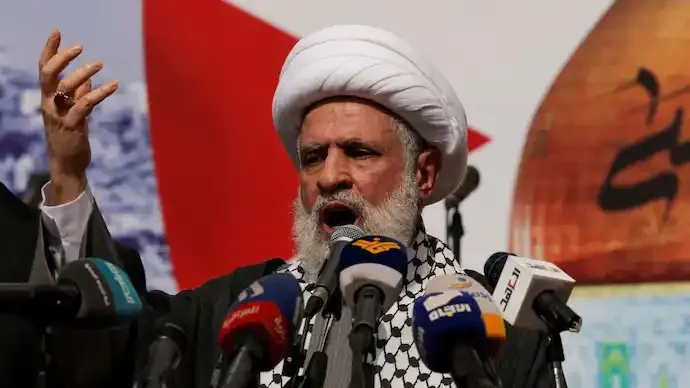

The Israel Defense Forces (IDF) has claimed that it eliminated a key figure linked to Hezbollah during overnight airstrikes in Beirut.
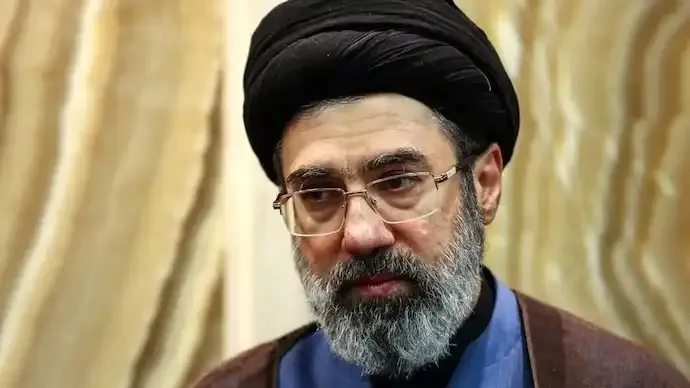
According to Israeli officials, Ali Yusuf Harshi—nephew and close aide to Naim Qassem—was killed in a targeted strike. He was reportedly serving as a personal secretary within the organisation, making him an important operational link.
Large-Scale Strikes Across Lebanon
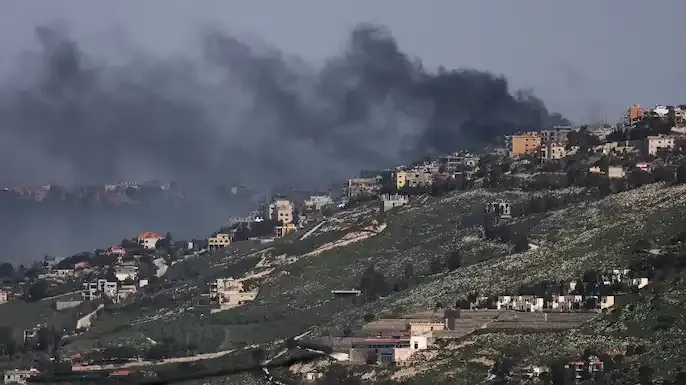
The strikes were part of a broader military operation carried out across Lebanon.

Israeli forces reportedly targeted multiple locations, including weapon depots, border crossings, and over 100 military sites. The operation marks one of the most extensive escalations in the ongoing conflict.
The scale of the attack highlights the intensity of military action and the widening scope of the confrontation.
Heavy Casualties Reported
Lebanese authorities have reported significant casualties following the airstrikes. At least 254 people were killed, while more than 1,100 others were injured in what is being described as one of the deadliest phases of the current conflict.
The high number of casualties has raised concerns about humanitarian conditions and the risk of further escalation in the region.
Rising Tensions in West Asia
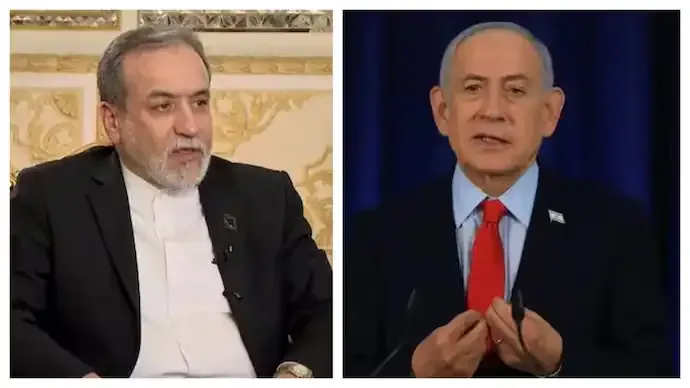
The developments come amid heightened tensions in West Asia, involving multiple actors and ongoing ceasefire challenges.
The involvement of groups like Hezbollah, which has ties to Iran, adds complexity to the conflict and increases the risk of a broader regional escalation.
Strategic Targeting and Military Objectives
Israel has stated that the operation was aimed at weakening Hezbollah’s operational capabilities by targeting key individuals and infrastructure.
Such targeted strikes are part of a broader strategy to disrupt command structures and reduce the group’s ability to coordinate activities.
Global Concern Over Escalation
The latest escalation has drawn international concern, with global leaders closely monitoring the situation.
The rising violence not only threatens regional stability but also has potential implications for global security and energy markets.
Uncertain Path Ahead
With tensions continuing to rise and casualties mounting, the situation remains highly volatile.
The coming days will be critical in determining whether diplomatic efforts can contain the conflict or if further escalation will occur.




Conversation
Be kind and stay on topic. Comments are moderated; abuse, spam and personal attacks are removed. Report a problem