


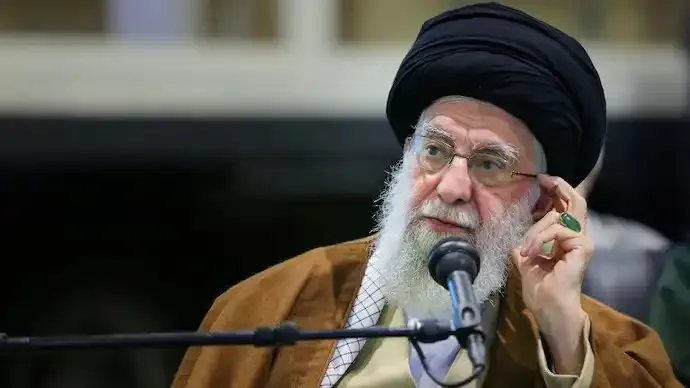
The Central Intelligence Agency (CIA) reportedly monitored Iran’s Supreme Leader Ayatollah Ali Khamenei and other senior Iranian officials for months before the coordinated US-Israeli airstrikes that killed him in Tehran.
According to multiple international media reports citing sources familiar with the operation, US intelligence agencies closely tracked the movements, communication patterns and daily routines of Khamenei and key members of Iran’s leadership. The intelligence gathered was shared with Israeli officials and played a crucial role in determining the timing and execution of the strike.
The operation, carried out over the weekend, marked a significant escalation in the ongoing US-Iran-Israel conflict. Reports indicate that intelligence agencies had studied where Khamenei lived, who he met, how he communicated and where he might relocate during a potential security threat.

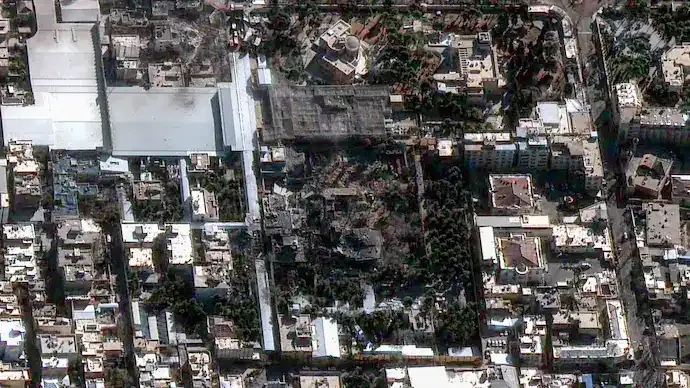
A rare opportunity reportedly emerged when several top Iranian leaders were scheduled to meet at separate sites within a secured compound in Tehran that housed the offices of the supreme leader, the presidency and national security authorities. Intelligence officials believed this gathering created a narrow window for a coordinated strike.
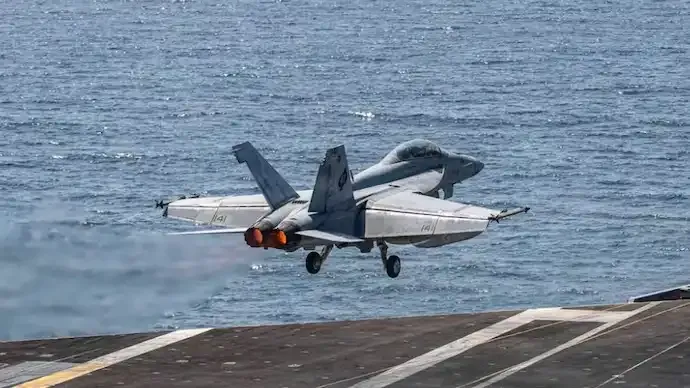
Initial operational plans for a night assault were reportedly adjusted to a daytime attack, with officials believing that a daylight strike would increase the element of surprise. Around early morning hours, fighter jets launched precision-guided munitions targeting multiple locations within the compound almost simultaneously.
Sources quoted in international reports said the strikes targeted three locations within roughly one minute, killing Iran’s Supreme Leader along with several senior officials, including high-ranking members of the Islamic Revolutionary Guard Corps (IRGC).
US President Donald Trump later announced the death of Khamenei, stating that advanced intelligence tracking systems played a decisive role in the operation.
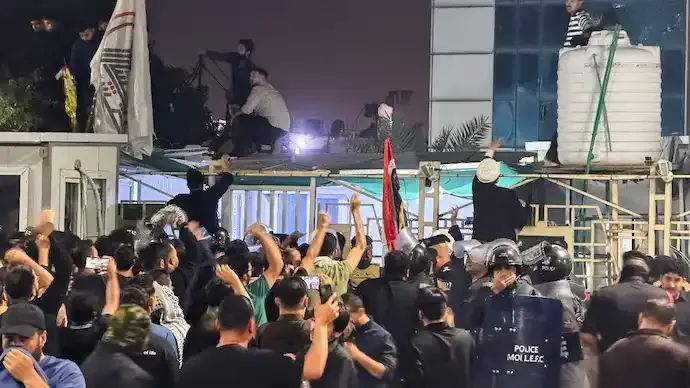
The fallout has been immediate and severe. Iranian authorities reported over 200 casualties since the bombardment began. Tehran responded with missile and drone attacks targeting Israeli territory and US-linked sites across the Gulf region.
The US military confirmed that three American service members were killed and five others seriously wounded during the conflict. The strikes have intensified instability across the Middle East, disrupting aviation routes and raising concerns over oil supply security, particularly around the Strait of Hormuz.
Khamenei, who had led Iran since 1989, wielded ultimate authority over the country’s military and foreign policy decisions. His death marks a historic turning point for Iran and the region, with analysts warning of prolonged geopolitical turbulence in the months ahead.



Conversation
Be kind and stay on topic. Comments are moderated; abuse, spam and personal attacks are removed. Report a problem