



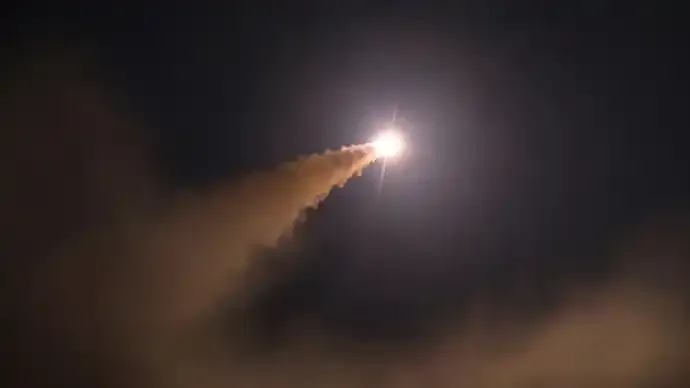
The United States has struck and disabled three Iranian crude oil carriers after Iran allegedly launched ballistic missiles at two US Navy ships, marking a major escalation in the growing confrontation between Washington and Tehran.
US Central Command said American forces carried out the strikes on Saturday after Iranian missile attacks targeted two US Navy vessels. According to the US military, the warships successfully evaded the incoming missiles and no American personnel were injured.
CENTCOM commander Adm. Brad Cooper said the US would impose a significant economic cost on Iran following attacks against American naval forces.

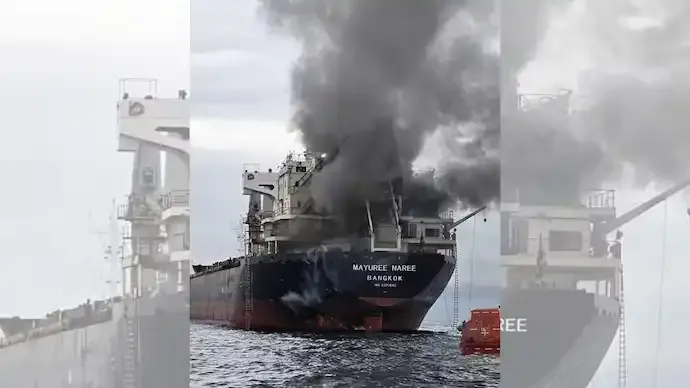
US Central Command said the targeted vessels included the M/T Downy near Kharg Island and the M/T Stark 1 near Jask. American forces also struck the M/T Kylo, also known as the Noxen, in the Gulf of Oman after its crew was instructed to abandon the vessel.
The US military said the attacks were intended to permanently disable the Iranian crude oil carriers and render them inoperable.
The latest military action further intensifies the conflict between the United States and Iran, which has increasingly focused on maritime security and control of shipping routes around the Strait of Hormuz.
The Strait of Hormuz remains one of the world's most strategically important energy corridors, with a significant portion of global oil supplies traditionally passing through the waterway. Rising military tensions have already increased risks for commercial shipping and affected vessel movement in the region.
The US has expanded military operations around the strait in recent days, accusing Iranian forces of threatening commercial vessels and American personnel.
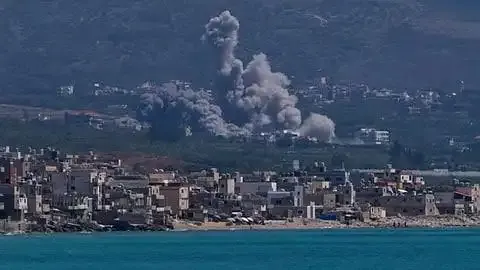
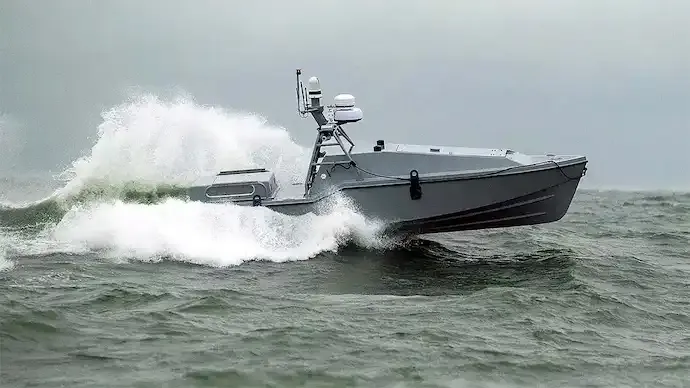
American forces had earlier targeted Iranian military positions, including locations Washington said were linked to preparations for sea mine deployment and potential disruption of maritime traffic.
US operations have also targeted Iranian air-defence systems, radar facilities, maritime assets, communications infrastructure and capabilities associated with mine-laying operations, according to American military officials.
Iran has responded with missile and drone attacks against US-linked targets across the region and has warned that it could impose further restrictions on oil shipments through the Strait of Hormuz if its own exports are blocked.
The confrontation has also raised concerns across global energy markets. Reports of attacks involving commercial vessels and oil tankers in and around the Gulf have added to uncertainty among shipping companies and energy traders.
Brent crude prices have risen amid fears that continued fighting could disrupt oil supplies passing through the region. Any prolonged disruption in the Strait of Hormuz could place further pressure on global energy supplies, shipping costs and fuel prices.
US President Donald Trump has warned Iran of a stronger response if Tehran retaliates against American military operations, while Iranian authorities have continued to threaten retaliation against what they describe as US aggression.
With military installations, oil infrastructure and commercial shipping increasingly becoming targets, concerns are growing over the possibility of a wider regional conflict.
The Strait of Hormuz is expected to remain a major flashpoint, with any further attack on ships or attempt to restrict navigation potentially triggering another round of military action and increasing pressure on global energy markets.





Conversation
Be kind and stay on topic. Comments are moderated; abuse, spam and personal attacks are removed. Report a problem