

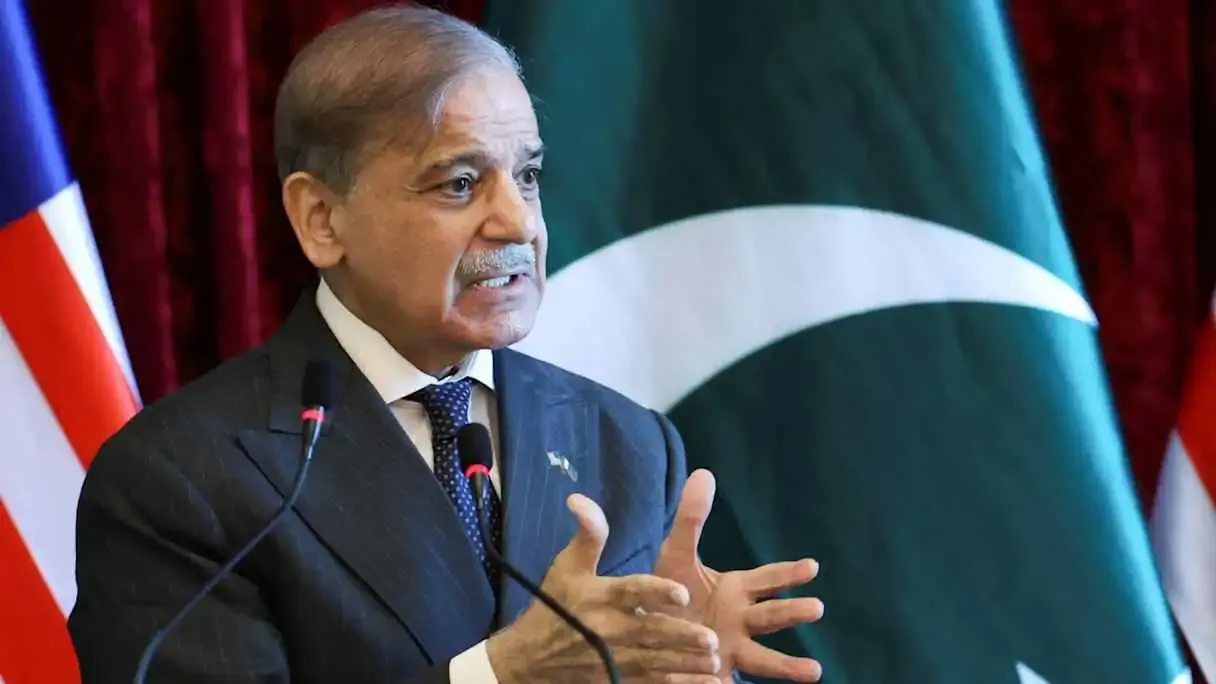

While Pakistan is projecting itself as a key mediator in global conflicts such as the Iran crisis, it is simultaneously grappling with its own escalating tensions with Afghanistan.
This contrast has raised important questions about Islamabad’s ability to manage internal conflicts while positioning itself as a global peacemaker.
Border Tensions Continue Along Durand Line
The conflict between Pakistan and Afghanistan has intensified along the Durand Line, where frequent exchanges of fire have been reported.

The situation remains volatile, with both military personnel and civilians affected. Trade between the two countries has also suffered significantly, impacting local economies and livelihoods.
The ongoing clashes highlight the deep-rooted challenges in maintaining stability along the border.
China Emerges as Key Mediator
Amid rising tensions, Pakistan is reportedly seeking diplomatic support from China.
Talks and engagements are taking place in Urumqi, suggesting that Beijing may play a mediating role in easing tensions between Pakistan and Afghanistan.
China’s involvement reflects its growing influence in regional geopolitics and its interest in maintaining stability in South Asia.
Leadership and Strategic Messaging
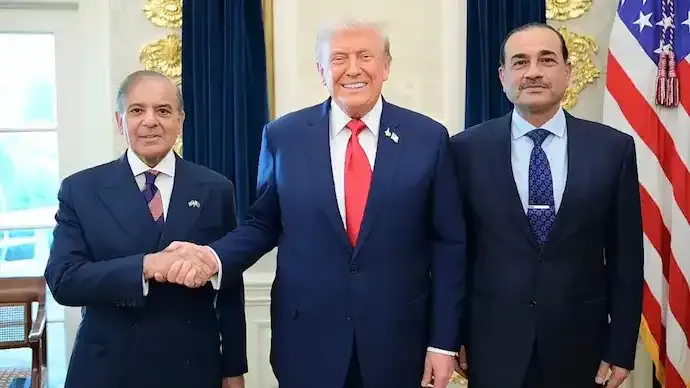
Pakistan’s leadership, including Prime Minister Shehbaz Sharif and Army Chief Asim Munir, has been actively promoting the country’s role in international diplomacy.
At the same time, their efforts to manage domestic and regional challenges are being closely scrutinised.
The contrast between global mediation claims and local conflict realities has become a key point of discussion.
Impact on Regional Stability
The ongoing conflict has significant implications for regional stability. Continued clashes along the border could escalate into a larger confrontation, affecting neighbouring countries and trade routes.
The situation also raises concerns about security, migration, and economic disruption in the region.
Challenges in Conflict Resolution
Pakistan’s reliance on external mediation highlights the complexity of the conflict with Afghanistan. Historical tensions, border disputes, and security concerns make resolution difficult.
Efforts by China or other mediators will need to address these underlying issues to achieve lasting peace.
Geopolitical Irony and Global Implications
The situation presents a geopolitical irony—Pakistan acting as a mediator in one conflict while seeking mediation in another.
This dynamic underscores the interconnected nature of global politics, where countries often play multiple roles depending on circumstances.
Outlook: Uncertain Path Ahead
As tensions continue, the focus remains on whether diplomatic efforts can de-escalate the situation.
The involvement of China may provide a pathway to dialogue, but long-term stability will depend on sustained negotiations and mutual understanding.





Conversation
Be kind and stay on topic. Comments are moderated; abuse, spam and personal attacks are removed. Report a problem