

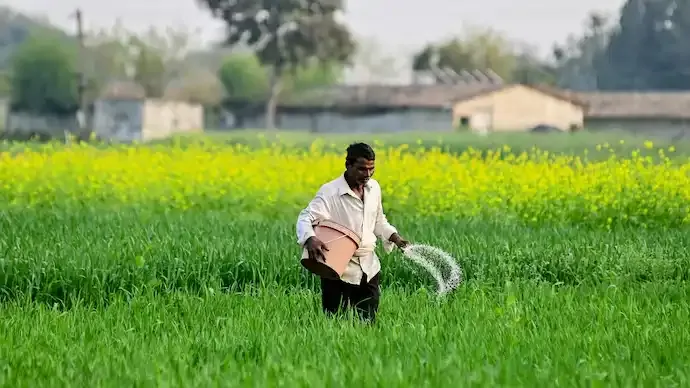

India may soon face a serious shortage of urea, the country’s most widely used fertiliser, due to global disruptions and domestic imbalances.
The ongoing geopolitical tensions involving the US, Israel, and Iran have impacted Liquefied Natural Gas (LNG) supplies, a key input for urea production, creating pressure on availability.
Global Conflict Disrupting Fertiliser Supply
The Middle East conflict has led to:

- Rising crude oil prices
- Disruptions in LNG supply chains
- Pressure on petrochemical industries
Since urea production depends heavily on natural gas, reduced LNG availability directly affects domestic output.
India’s Overdependence on Urea
Experts highlight that the crisis is not entirely external. A major reason is India’s excessive reliance on nitrogen-based fertilisers.
- Farmers often use more urea than recommended
- The ideal NPK (Nitrogen-Phosphorus-Potassium) balance is not followed
- This leads to higher demand and dependency on imports
Ignoring Scientific Fertiliser Use
Agricultural experts have long advised:
- Balanced use of NPK fertilisers
- Reduced dependency on nitrogen-heavy inputs
- Sustainable soil management practices
However, widespread overuse of urea has created:
- Soil degradation
- Declining fertility over time
- Increased need for more fertilisers
Could India Have Been a Urea Exporter?
According to experts, if proper fertiliser practices were followed:
- India could have reduced imports significantly
- Even emerged as a potential exporter of urea
- Saved valuable foreign exchange
Instead, current trends have made India more vulnerable to global supply shocks.
Impact on Farmers and Agriculture
A potential urea shortage could lead to:
- Increased fertiliser prices
- Supply shortages during crop cycles
- Reduced agricultural productivity
This could directly affect millions of farmers across the country.
Need for Policy and Behavioural Change
To address the issue, experts suggest:
- Promoting balanced fertiliser usage
- Encouraging organic and alternative inputs
- Strengthening domestic production capacity
- Raising awareness among farmers
A Self-Created Challenge with Global Triggers
While global conflicts have accelerated the crisis, the root cause lies in long-term overuse and policy gaps in fertiliser consumption.
The situation highlights the urgent need for sustainable agricultural practices.






Conversation
Be kind and stay on topic. Comments are moderated; abuse, spam and personal attacks are removed. Report a problem