

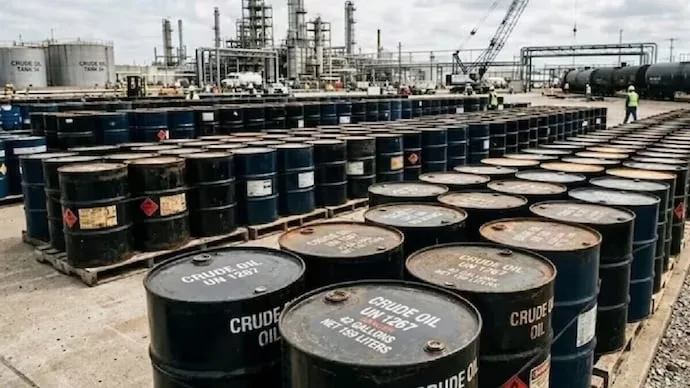

Global crude oil prices moved closer to $110 a barrel on Wednesday, October 14, as fresh attacks on Saudi targets and concerns over shipping through the Middle East heightened fears of supply disruptions. Brent crude was trading at $106.58 a barrel, while US West Texas Intermediate (WTI) stood at $94.94, according to the figures provided in the report.
The price movement comes amid escalating regional tensions, including attacks attributed to Yemen's Houthi rebels. A suspected strike on a Saudi Aramco administrative building in Dhahran on Tuesday reportedly caused a limited fire, adding to concerns about the security of energy infrastructure in a major oil-producing country.
Markets are also monitoring developments around the Strait of Hormuz, a crucial route for global oil shipments. Uncertainty over tanker movements and reports of attacks on vessels have increased concerns about the availability and transportation costs of crude oil.

Why Crude Oil Prices Are Rising
Saudi energy infrastructure faces renewed concerns
Saudi Arabia is a major global oil producer, making the security of its energy infrastructure important to international markets. Even when attacks do not cause significant production losses, the possibility of further disruption can push prices higher as traders account for potential supply risks.
The reported incident in Dhahran has added to concerns that further escalation could affect oil production, storage or exports.
Strait of Hormuz shipping risks persist
The Strait of Hormuz is one of the world's most important oil transit routes. Disruptions to shipping through the waterway can delay deliveries, increase freight and insurance costs, and tighten supplies available to refineries.
Even without a sharp fall in global production, logistical constraints can contribute to higher prices if crude cannot reach buyers on schedule.
Additional supplies may offer some relief
The prospect of increased Russian diesel exports could provide some relief to fuel markets. However, additional supplies may not fully offset the risks associated with escalating tensions in the Middle East.
Oil prices are likely to remain sensitive to developments affecting production, shipping routes and the availability of alternative supplies.
What Higher Crude Prices Mean for India
India imports a substantial share of its crude oil requirements, leaving its economy exposed to sustained increases in international prices. A higher oil import bill can widen trade pressures and increase costs for oil marketing companies.
Expensive crude can also contribute to inflation by raising transportation, manufacturing and other fuel-related costs. The impact on retail petrol and diesel prices depends on domestic pricing decisions, taxes and the extent to which oil companies absorb changes in input costs.
Higher oil prices can also put pressure on the rupee by increasing demand for dollars to pay for energy imports. The scale of that pressure would depend on the duration of the price rise and broader currency-market conditions.
For now, the outlook for crude oil depends on the security of Middle Eastern energy infrastructure, developments around the Strait of Hormuz and whether additional supplies can compensate for potential disruptions.
For official information on India's petroleum sector, visit the Ministry of Petroleum and Natural Gas.








Conversation
Be kind and stay on topic. Comments are moderated; abuse, spam and personal attacks are removed. Report a problem