

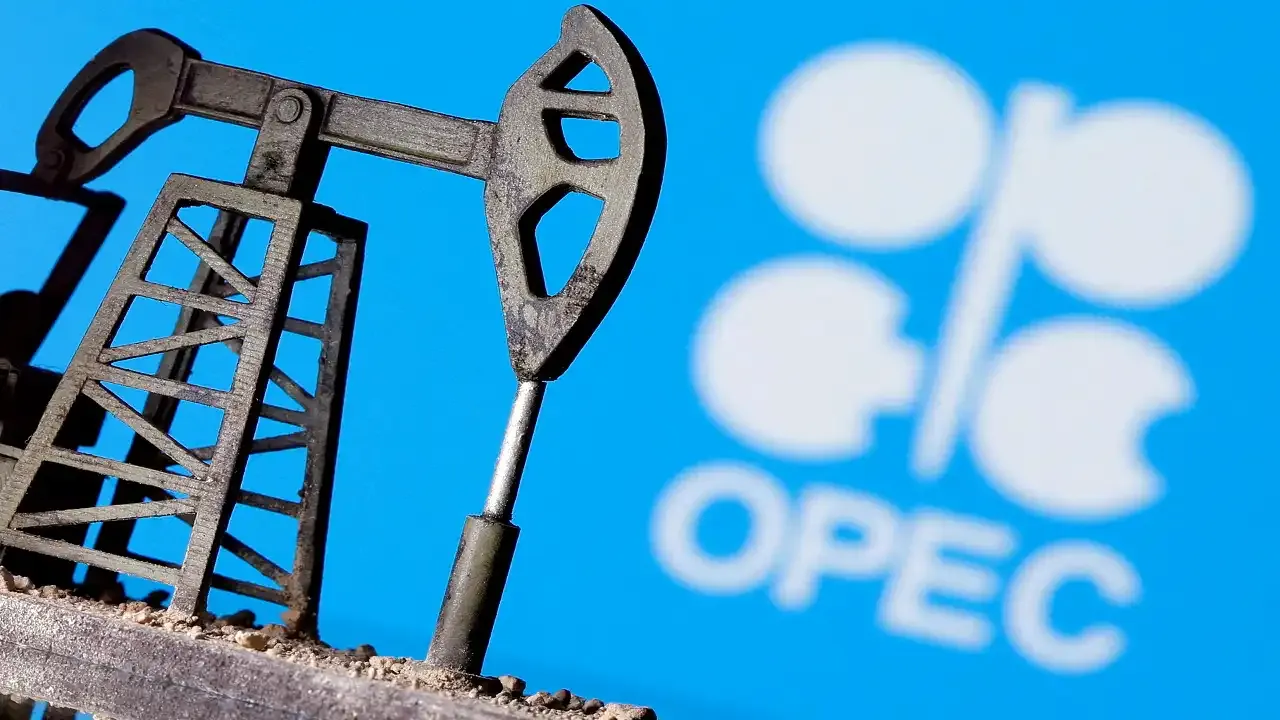

The OPEC+ alliance has agreed to increase oil production by a combined 188,000 barrels per day (bpd) in August, marking the fifth consecutive monthly output hike as the group seeks to maintain stability in the global energy market.
The decision comes as Brent crude oil continues to trade below $72 per barrel, with prices easing following improved geopolitical conditions in the Middle East and expectations of steady global supply.
Seven Producers Back Production Increase
The latest production increase was approved by seven key OPEC+ members:

- Saudi Arabia
- Russia
- Iraq
- Kuwait
- Kazakhstan
- Algeria
- Oman
The countries said they would continue monitoring global oil demand and supply conditions while taking a cautious approach to future production decisions.
According to the group's statement, maintaining market stability remains its primary objective.
Brent Crude Remains Below $72
International benchmark Brent crude remained below $72 per barrel after commodity markets opened, extending recent declines.
Oil prices have eased considerably from earlier highs after tensions surrounding the Iran conflict began to subside.
Although shipping activity through the Strait of Hormuz has improved following an interim peace arrangement, maritime traffic remains below normal levels, keeping traders alert to potential supply disruptions.
Middle East Situation Continues to Influence Markets
The easing of military tensions between Iran and its adversaries has helped reduce fears of a prolonged disruption to global energy supplies.
However, analysts note that the Strait of Hormuz—through which nearly one-fifth of the world's oil passes—remains a critical chokepoint.
Any renewed instability in the region could once again affect crude prices and international energy markets.
Why OPEC+ Is Increasing Production
The decision reflects OPEC+'s attempt to balance two competing priorities:
- Ensuring adequate global oil supply.
- Preventing excessive price volatility.
With oil demand remaining relatively stable and prices moderating, the alliance appears confident that a gradual production increase will not significantly disrupt market balance.
The move also signals that producers remain cautious despite improving geopolitical conditions.
Impact on Global Economy
Lower crude oil prices could offer relief to fuel-importing countries by easing inflationary pressures.
Cheaper oil generally reduces transportation and manufacturing costs, potentially benefiting consumers and businesses worldwide.
However, oil-exporting economies will continue monitoring prices closely to ensure revenues remain sustainable.
What Investors Should Watch
Energy markets will now focus on several key developments:
- Future OPEC+ production decisions.
- Global demand from major economies.
- Shipping activity through the Strait of Hormuz.
- Geopolitical developments in the Middle East.
- Inflation and central bank policy.
These factors are expected to shape oil price movements over the coming months.
Featured Snippet
OPEC+ has agreed to raise oil production by 188,000 barrels per day in August, marking the fifth consecutive monthly increase. The move comes as Brent crude remains below $72 per barrel and global energy markets stabilise following easing tensions in the Middle East.
Key Highlights
- OPEC+ approved a production increase of 188,000 barrels per day for August.
- Seven member countries participated in the decision.
- Brent crude continues to trade below $72 per barrel.
- The alliance aims to maintain global oil market stability.
- Shipping through the Strait of Hormuz has improved but remains below normal.
- Investors continue to monitor geopolitical risks and global demand.
Business Impact
Oil Market Outlook
The gradual increase in supply is expected to help keep crude prices relatively stable if global demand remains steady.
Inflation Impact
Lower oil prices may reduce fuel costs and help ease inflation in oil-importing economies.
Investor Takeaways
Energy investors will closely monitor OPEC+ policy, geopolitical developments and demand trends before anticipating further price movements.
Conclusion
OPEC+'s latest production increase reflects confidence that the global oil market is gradually stabilising after months of geopolitical uncertainty. While Brent crude remains below $72 per barrel, the alliance has signalled that it will continue adjusting supply cautiously based on market conditions. Future oil prices will largely depend on geopolitical developments, global economic growth and energy demand.
FAQs
1. How much is OPEC+ increasing oil production?
The alliance approved an increase of 188,000 barrels per day for August.
2. Which countries agreed to the increase?
Saudi Arabia, Russia, Iraq, Kuwait, Kazakhstan, Algeria and Oman.
3. Why is Brent crude below $72?
Oil prices have eased as geopolitical tensions in the Middle East have moderated and supply concerns have reduced.
4. What is the Strait of Hormuz?
It is one of the world's most important oil shipping routes, carrying roughly 20% of global crude exports.
5. How could this affect fuel prices?
Higher oil production could help keep crude prices stable, potentially limiting increases in fuel costs if market conditions remain favourable.
6. Will OPEC+ continue raising production?
The alliance said future decisions will depend on market conditions and global demand.








Conversation
Be kind and stay on topic. Comments are moderated; abuse, spam and personal attacks are removed. Report a problem