



Pakistan is facing a projected 22% irrigation water shortage in Punjab and Sindh during the 2026–27 Rabi season, raising concerns about wheat production and food security. The Indus River System Authority (IRSA) has attributed the shortfall to lower river inflows, inadequate reservoir storage and delays in critical water infrastructure projects, according to reports cited in the supplied source.
The projection comes amid tensions between India and Pakistan over the Indus Waters Treaty (IWT). Islamabad has accused New Delhi of threatening Pakistan's share of river water after India placed the treaty in abeyance following the April 2025 Pahalgam terror attack. However, the domestic constraints identified by IRSA point to significant challenges within Pakistan's own water management system.
Why Is Pakistan Projecting a 22% Water Shortage?
According to reports by Dawn and the Associated Press of Pakistan, river inflows during the April–September 2026 Kharif season were 8% below projections and 22% lower than the previous year.

Reservoir storage also fell short of expectations. On September 30, storage stood at 9.343 million acre-feet (MAF), compared with an anticipated 12.014 MAF.
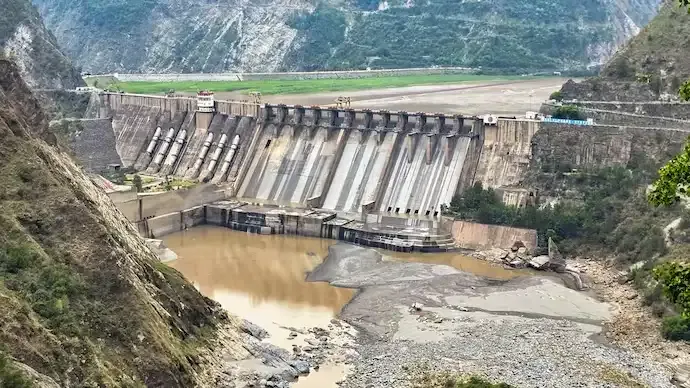
The report further states that more than 3 MAF of water could not be stored at Tarbela Dam because of filling restrictions imposed during construction. Delays in the Tunnel 4 Low-Level Outlet and Tunnel 5 Hydropower Project have also raised concerns, with both projects reportedly having missed their March 2025 completion deadline.
Constraints at Tarbela reportedly led authorities to increase water releases from Mangla Dam, affecting its replenishment ahead of the winter cropping season.
Following a meeting on October 7, IRSA approved a projected 22% shortage for Punjab and Sindh. Balochistan and Khyber Pakhtunkhwa were exempted from the proposed supply cuts, according to the report.
Wheat Production and Food Security at Risk
The projected shortage could place additional pressure on Pakistan's wheat cultivation. Wheat is the country's principal Rabi crop, alongside barley, mustard, gram, lentils and other winter crops.
Pakistan reportedly produced around 27.5 million tonnes of wheat in the previous season, below its production target of 29.7 million tonnes and estimated domestic consumption of 31.9 million tonnes. The resulting deficit prompted the government to order wheat imports.
The current water outlook is particularly concerning because Pakistan entered the previous Rabi season with approximately 13 MAF of carryover water in its reservoirs, around 27% more than the storage level reported for the current period.
Reduced irrigation availability could further complicate efforts to meet domestic wheat demand.
Indus Waters Treaty Dispute Continues
India placed the Indus Waters Treaty in abeyance after the Pahalgam terror attack in April 2025. The move intensified an already contentious dispute over water sharing, with Pakistani leaders warning against any attempt to restrict the country's allocated water supplies.
Pakistan's latest shortage projection, however, also highlights the importance of domestic storage capacity, river inflows and timely completion of water infrastructure projects. These factors are central to the country's immediate irrigation challenges, alongside the wider dispute with India.
The projected shortage remains subject to changes in inflows and operational decisions. Its eventual impact will depend on water availability, reservoir management and irrigation requirements throughout the Rabi season.
For official information on India's water policy, visit the Ministry of Jal Shakti.






Conversation
Be kind and stay on topic. Comments are moderated; abuse, spam and personal attacks are removed. Report a problem