Dubai Tejas Crash: What It Means for India’s Fighter Jet Future and Export Goals

Dubai Tejas Crash: What It Means for India’s Fighter Jet Future and Export Goals

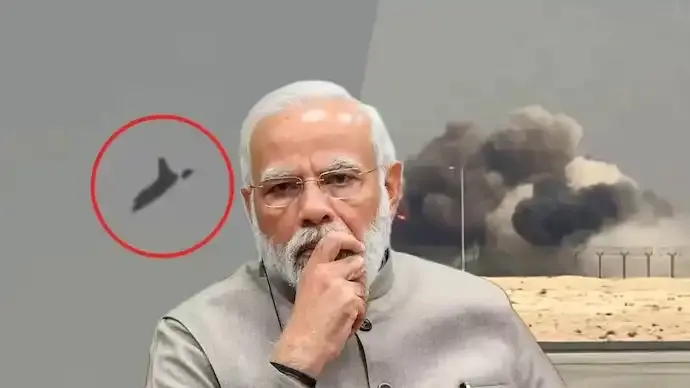
India’s indigenous fighter jet programme suffered a major setback after a Tejas aircraft crashed during a live display at the Dubai Airshow, killing Wing Commander Namansh Syal. The incident unfolded in front of global military delegations, defence buyers and rival nations, undermining the very purpose of such airshows—demonstrating confidence, capability and national technological strength.

A Blow to India’s Indigenous Fighter Ambitions

The LCA Tejas, central to India's decades-long quest for strategic autonomy in fighter jet production, has long symbolised the nation’s aerospace ambitions. Conceived in the 1980s to replace the MiG-21s, the programme has faced repeated challenges including sanctions, design overhauls, and delays in developing a domestic engine.

While HAL currently has orders for 180 Tejas Mk-1A aircraft, production has been repeatedly slowed by supply chain constraints—especially delays linked to GE Aerospace, which supplies the fighter’s engines.

Douglas A. Birkey of the Mitchell Institute summed up international reaction bluntly:
“Airshows are meant to project strength. A crash sends the opposite message.”

IAF’s Fighter Shortage Deepens

India’s fighter squadron strength has now fallen to 29, far below the sanctioned 42, creating a growing capability gap. Tejas was expected to help bridge this shortfall, but the Dubai crash combined with production delays has sparked renewed debate within the Air Force.

According to officials, the government is evaluating emergency purchases—potentially:

  • Additional Rafale jets

  • US F-35 fighters

  • Russia’s Su-57

Both the F-35 and Su-57 were displayed at the same airshow, intensifying strategic comparisons.

Impact on Tejas Export Push

The crash also threatens India’s efforts to export Tejas to friendly nations across Asia, Africa, and Latin America. HAL recently opened an office in Malaysia to support international sales, but defence analysts believe the high-visibility incident may cause potential buyers to hesitate.

Pakistan’s JF-17 Gains Spotlight

Complicating matters further, Pakistan showcased its JF-17 Block III, co-developed with China.
Islamabad also announced a provisional export deal at the event, underscoring the competitive rivalry.

Notably, the JF-17 on display was equipped with PL-15E missiles—a system that US and Indian officials believe was involved in last year’s aerial engagement that damaged an Indian Rafale.

Long-Term Outlook: Bigger Than One Crash

Despite the setback, analysts emphasise that the Tejas programme’s value extends beyond this single incident.
It has laid critical groundwork for India’s:

  • Next-generation stealth fighters

  • Unmanned combat aircraft

  • Expansion of indigenous aerospace capabilities

However, the Dubai crash raises urgent questions about whether Tejas can quickly restore global confidence at a pivotal moment for India’s airpower modernisation.

India must now work to rebuild trust, accelerate production, and reassure both domestic stakeholders and potential foreign buyers that the Tejas programme remains robust.

Prev Article
Trump Moves to Label Muslim Brotherhood Chapters as Terrorist Groups, Orders Review
Next Article
Pakistan Airstrikes Kill 9 Children in Afghanistan After Peshawar Suicide Attack

Related to this topic: