

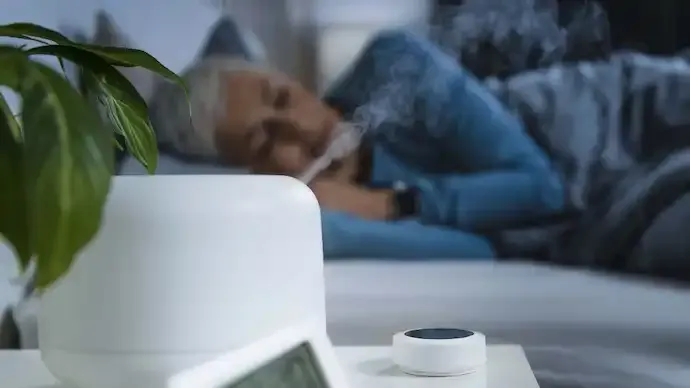

A good night's sleep is becoming increasingly difficult—and increasingly expensive—for millions of Indians. As stress, lifestyle disorders, irregular work schedules and rising temperatures continue to disrupt sleep, more people are turning to clinics, therapies, medical devices and wellness products in search of quality rest.
Experts say India is witnessing a growing sleep economy, with spending on sleep treatments and products rising rapidly. However, doctors also caution that many expensive gadgets and supplements offer limited benefits compared to scientifically proven treatments and healthy lifestyle habits.
India Among the World's Most Sleep-Deprived Nations
Sleep deprivation has become a significant public health concern in India.

According to surveys, nearly 46% of Indians report getting less than six hours of uninterrupted sleep over a year. Common reasons include:
- Stress and anxiety
- Irregular work schedules
- Night-time urination
- Environmental noise
- Excessive screen time
- Rising night-time temperatures
Researchers have also found that climate change is worsening sleep quality, with warmer nights making it harder for people to fall asleep and stay asleep.
Medical experts warn that chronic sleep deprivation increases the risk of:
- Obesity
- Type 2 diabetes
- High blood pressure
- Heart disease
- Depression and anxiety
- Weakened immunity
- Memory and cognitive decline
India's Sleep Economy Is Booming
As awareness of sleep disorders grows, more Indians are seeking professional treatment and investing in products designed to improve sleep.
Hospitals across major cities now offer dedicated sleep medicine departments, while diagnostic sleep studies have become increasingly accessible.
Doctors commonly recommend:
- Cognitive Behavioural Therapy for Insomnia (CBT-I)
- Continuous Positive Airway Pressure (CPAP) therapy for sleep apnoea
- Melatonin in selected cases
- Newer medications such as orexin receptor blockers
India's sleep-aid market is currently valued at around US$338 million and is expected to continue expanding as awareness, obesity rates and the ageing population increase.
People Are Spending Thousands on Sleep Products
Consumers are increasingly purchasing products that promise better sleep.
Popular sleep-related products include:
- CPAP machines for sleep apnoea
- Magnesium glycinate supplements
- Melatonin gummies
- Herbal teas
- Weighted blankets
- Smart mattresses
- Sleep tracking wearables
- Smart pillows and humidifiers
A CPAP machine can cost anywhere between Rs 35,000 and over Rs 1 lakh, while monthly sleep supplements may cost between Rs 800 and Rs 2,500, depending on the product.
Although these products are gaining popularity, experts stress that they should not replace proper medical diagnosis.
Doctors Advise Treating the Root Cause
According to sleep specialists, sleep should now be viewed as an essential pillar of overall health rather than merely a lifestyle concern.
Doctors say rising stress, obesity, excessive screen exposure and irregular work routines are driving more people to seek professional help.
They recommend identifying the underlying cause of sleep problems instead of relying solely on expensive consumer products.
Evidence-based treatments include:
- CPAP therapy for obstructive sleep apnoea
- Cognitive Behavioural Therapy (CBT-I) for chronic insomnia
- Weight management
- Treatment of underlying medical conditions
- Good sleep hygiene practices
Experts also note that wearable devices can help track sleep patterns, but luxury sleep gadgets often have limited scientific evidence supporting their effectiveness.
Healthy Habits Still Offer the Best Sleep
Despite the rapid growth of the sleep industry, doctors agree that the most effective ways to improve sleep remain simple and affordable.
They recommend:
- Exercising regularly
- Maintaining a consistent sleep schedule
- Limiting caffeine in the evening
- Avoiding heavy meals before bedtime
- Reducing screen time at night
- Keeping the bedroom cool, quiet and dark
- Practising relaxation techniques before sleeping
Experts also advise against self-medicating with supplements without consulting a healthcare professional.
As India's sleep crisis deepens, specialists believe that awareness, early diagnosis and healthier daily routines remain the most reliable—and often least expensive—ways to achieve better sleep.
Key Highlights
- Nearly 46% of Indians report getting less than six hours of uninterrupted sleep.
- India's sleep-aid market is valued at approximately US$338 million.
- More people are spending on CPAP machines, supplements, wearables and smart sleep products.
- Doctors recommend evidence-based treatments such as CBT-I and CPAP therapy.
- Healthy lifestyle habits remain the most effective way to improve sleep quality.
FAQs
Why is India facing a sleep crisis?
Stress, irregular work schedules, obesity, excessive screen time, environmental noise and rising temperatures are contributing to poor sleep among Indians.
What is the sleep economy?
The sleep economy refers to the growing market for sleep-related healthcare services, therapies, supplements, medical devices and wellness products.
Are sleep gadgets scientifically proven?
Some products, such as CPAP machines and Cognitive Behavioural Therapy (CBT-I), have strong scientific evidence. However, many luxury sleep gadgets and supplements have limited clinical support.
What are the health risks of poor sleep?
Chronic sleep deprivation can increase the risk of obesity, diabetes, hypertension, heart disease, depression, weakened immunity and cognitive decline.
What is the best way to improve sleep naturally?
Experts recommend regular exercise, a consistent sleep routine, limiting caffeine and screen time, eating balanced meals and maintaining a cool, quiet sleeping environment.









Conversation
Be kind and stay on topic. Comments are moderated; abuse, spam and personal attacks are removed. Report a problem