

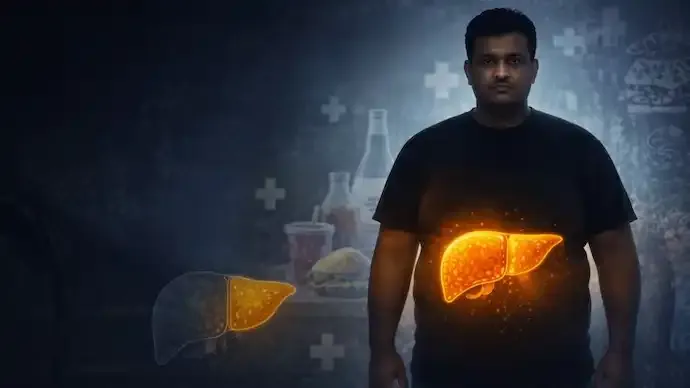

Being diagnosed with Grade 1 fatty liver can be concerning, especially when there are no obvious symptoms. However, doctors say this early stage of fatty liver disease is often reversible if timely lifestyle changes are made.
Rather than viewing the diagnosis as irreversible, health experts describe it as an opportunity to improve overall health and reduce the risk of future liver complications. Early intervention through diet, exercise and management of underlying metabolic conditions can help restore liver health in many people.
What Is Grade 1 Fatty Liver?
Grade 1 fatty liver is the mildest stage of fat accumulation in the liver. At this stage, small amounts of fat begin to build up inside liver cells, but significant inflammation or permanent damage has usually not occurred.

Many people discover the condition during routine health check-ups or abdominal ultrasound scans, as it often causes no noticeable symptoms.
Why Is Fatty Liver Becoming More Common?
Doctors say modern lifestyle habits are contributing to the growing number of fatty liver cases.
Common risk factors include:
- Obesity or excess body weight.
- Type 2 diabetes.
- High cholesterol or triglyceride levels.
- Lack of physical activity.
- Frequent consumption of processed foods.
- Sugary drinks and excess calories.
- Insulin resistance and metabolic syndrome.
Experts also point out that people with a normal body weight can develop fatty liver, particularly if they have unhealthy eating habits or metabolic disorders.
Can Grade 1 Fatty Liver Be Reversed?
Yes. In many cases, Grade 1 fatty liver can improve or even resolve if the underlying causes are addressed.
Doctors generally recommend:
- Maintaining a healthy body weight.
- Exercising regularly.
- Eating a balanced diet rich in fruits, vegetables and whole grains.
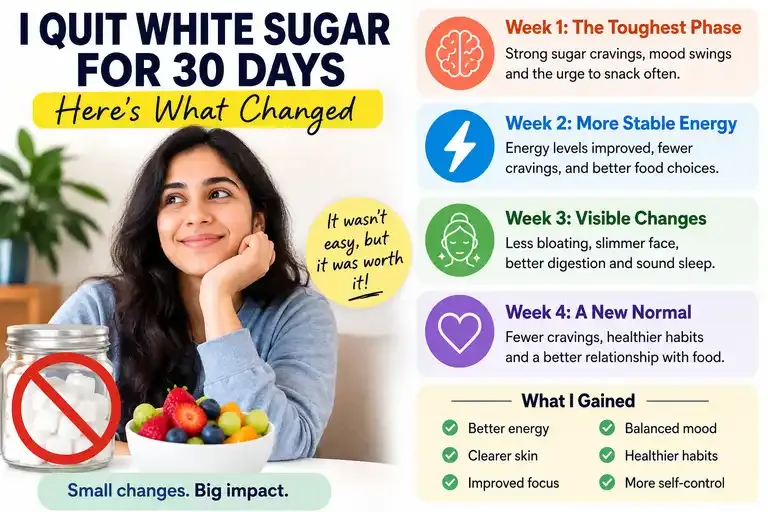
- Reducing sugar and processed food intake.
- Limiting saturated fats.
- Managing diabetes, cholesterol and blood pressure.
- Avoiding excessive alcohol consumption where applicable.
Consistency is considered the most important factor in improving liver health.
Symptoms to Watch For
Grade 1 fatty liver often causes no symptoms. However, some individuals may experience:
- Fatigue.
- Mild discomfort in the upper right side of the abdomen.
- Feeling of heaviness after meals.
As the disease progresses, symptoms may become more noticeable, making early diagnosis especially valuable.
Foods That Support Liver Health
Doctors commonly recommend a diet that includes:
- Fresh vegetables and fruits.
- Whole grains.
- Lean protein sources.
- Nuts and seeds in moderation.
- Healthy fats from foods such as olive oil.
- Adequate water intake.
Foods and drinks that should be limited include:
- Sugary beverages.
- Deep-fried foods.
- Highly processed snacks.
- Excess refined carbohydrates.
- Excess alcohol.
Why Early Action Matters
If left unmanaged, fatty liver disease may progress over time in some individuals, increasing the risk of liver inflammation, fibrosis and, in severe cases, cirrhosis.
Early lifestyle changes significantly reduce these risks and also improve heart health, blood sugar control and overall metabolic health.
Doctors advise regular follow-up with healthcare professionals and routine monitoring of liver function where recommended.
Featured SnippetNote: Treatment and lifestyle recommendations should always be tailored to an individual's medical condition. Consult a qualified healthcare professional before making significant dietary or treatment changes.
Grade 1 fatty liver is the earliest stage of fatty liver disease and is often reversible through healthy eating, regular exercise and weight management. Doctors say early diagnosis offers an opportunity to prevent progression to more serious liver disease.
Key Highlights- Grade 1 fatty liver is often reversible.
- The condition usually causes few or no symptoms.
- Healthy diet and exercise remain the primary treatment.
- People of normal weight can also develop fatty liver.
- Managing diabetes and cholesterol is important.
- Early intervention helps prevent serious liver complications.
A diagnosis of Grade 1 fatty liver should be viewed as an early warning rather than a cause for panic. With timely lifestyle changes, regular medical follow-up and better metabolic health, many people can reverse the condition and significantly lower their risk of future liver disease. Taking action early remains the most effective strategy for protecting long-term liver health.
FAQs1. Can Grade 1 fatty liver be cured?
Many cases can be reversed through sustained lifestyle modifications, particularly when detected early.
2. Does Grade 1 fatty liver cause symptoms?
Most people have no symptoms, although some may experience mild fatigue or abdominal discomfort.
3. What foods should I avoid?
Limit sugary drinks, processed foods, deep-fried foods, refined carbohydrates and excessive alcohol.
4. Can slim people develop fatty liver?
Yes. Fatty liver can occur even in people with a normal body weight due to metabolic factors or unhealthy dietary habits.
5. Is exercise important?
Yes. Regular physical activity is one of the most effective ways to improve liver health and reduce fat accumulation.
6. Should I take medicines for Grade 1 fatty liver?
Treatment depends on the underlying cause. Your doctor may recommend lifestyle changes, management of associated conditions and, in some cases, medication if appropriate.






Conversation
Be kind and stay on topic. Comments are moderated; abuse, spam and personal attacks are removed. Report a problem