
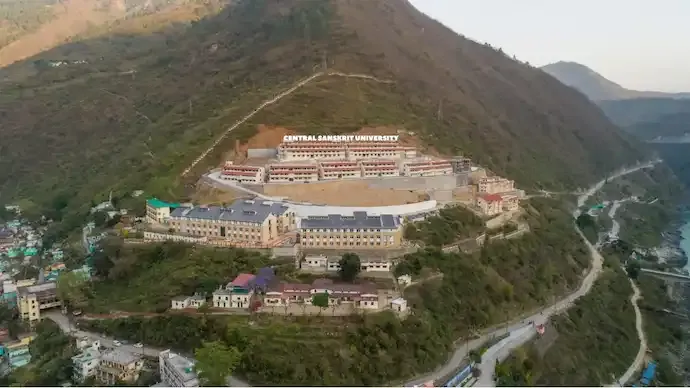
India has taken a significant step in higher education by introducing its first AICTE-approved Bachelor of Technology (BTech) programme in Artificial Intelligence and Data Science with a dedicated focus on Indian Knowledge Systems (IKS). The innovative programme has been launched by Central Sanskrit University at its Nashik campus, bringing together cutting-edge AI education and India's rich linguistic and cultural heritage.
The new engineering course is designed to prepare students for careers in artificial intelligence, machine learning, data science and language technologies while contributing to the preservation and digitisation of India's vast collection of ancient manuscripts and traditional knowledge.
Featured Snippet
Central Sanskrit University has launched India's first AICTE-approved BTech in Artificial Intelligence and Data Science at its Nashik campus. The programme combines AI education with Indian Knowledge Systems and aims to develop language technologies, support manuscript digitisation and create skilled professionals in emerging technologies.
Key Highlights
- Central Sanskrit University launches India's first AICTE-approved BTech in AI and Data Science.
- The programme will be offered at the university's Nashik campus.
- Students will study Artificial Intelligence alongside Indian Knowledge Systems.
- The course aims to promote Sanskrit-based language technology and AI research.
- It also supports digitisation and preservation of India's ancient manuscripts.
- Graduates will be prepared for careers in AI, data science and emerging technologies.
A Unique Blend of Artificial Intelligence and Ancient Knowledge
Artificial Intelligence is transforming industries worldwide, and India's education sector is increasingly adopting AI-focused programmes. The newly introduced BTech course stands out by integrating advanced AI technologies with the study of Indian Knowledge Systems, creating an interdisciplinary learning experience for students.
The curriculum is expected to equip students with expertise in Artificial Intelligence, Data Science, Machine Learning, Natural Language Processing (NLP), computational linguistics and digital technologies while encouraging research based on India's historical knowledge traditions.
By combining engineering education with Sanskrit and Indian intellectual traditions, the programme seeks to bridge modern technological innovation with centuries-old scholarly resources.
Why This Programme Matters
India possesses one of the world's largest collections of ancient manuscripts, many of which remain undigitised or inaccessible to researchers. Artificial Intelligence has the potential to transform how these valuable resources are preserved, translated and analysed.
The BTech programme aims to train professionals capable of developing AI-powered solutions for:
- Digitisation of historical manuscripts
- Optical Character Recognition (OCR) for ancient scripts
- Sanskrit language processing
- Machine translation
- Digital archives
- Knowledge extraction from historical texts
- Intelligent search systems for cultural databases
These technologies can significantly improve access to India's intellectual heritage while creating opportunities for academic research and technological innovation.
Focus on Indian Knowledge Systems
Indian Knowledge Systems (IKS) have become an important area of focus in higher education in recent years. The concept includes traditional Indian disciplines such as philosophy, mathematics, astronomy, medicine, linguistics, literature and cultural studies.
The integration of IKS into an engineering programme reflects a growing effort to combine traditional scholarship with modern scientific and technological approaches.
Students enrolled in the programme are expected to explore how Artificial Intelligence can be applied to preserve, organise and interpret classical Indian texts using modern computational methods.
AICTE Approval Adds Credibility
Approval from the All India Council for Technical Education (AICTE) ensures that the programme meets national standards for technical education in India.
AICTE recognition enhances the credibility of the degree and provides students with qualifications that are widely accepted across industries, higher education institutions and government sectors.
Career Opportunities After the Course
Graduates of the programme may pursue careers across multiple technology sectors, including:
- Artificial Intelligence Engineer
- Machine Learning Engineer
- Data Scientist
- NLP Engineer
- Research Scientist
- AI Software Developer
- Computational Linguist
- Language Technology Specialist
- Digital Heritage Researcher
- Data Analytics Professional
The growing adoption of AI across healthcare, finance, education, manufacturing and public services is expected to create increasing demand for professionals with specialised AI skills.
How This Supports Digital India
The initiative aligns with India's broader digital transformation goals by encouraging the use of advanced technologies to preserve cultural and historical resources.
AI-powered digitisation projects can improve access to rare manuscripts, enhance academic research and help safeguard valuable knowledge for future generations. At the same time, students receive industry-relevant technical training that prepares them for emerging job markets.
Who Can Apply?
Students interested in pursuing engineering with a focus on Artificial Intelligence and Data Science should monitor admission notifications issued by Central Sanskrit University.
Applicants are advised to check eligibility criteria, entrance requirements, seat availability, fee details and important admission dates through the university's official admission process once announced.
What Makes This Programme Different?
Unlike conventional AI engineering degrees, this programme combines advanced computing with India's linguistic and cultural heritage. It offers students an opportunity to work on real-world AI applications while contributing to the preservation of one of the world's richest knowledge traditions.
The interdisciplinary nature of the course may also encourage innovation in fields such as language technology, digital humanities and AI-driven research.
What Happens Next?
As Artificial Intelligence continues to reshape education and industry, programmes that combine technology with specialised domains are expected to become increasingly popular. The launch of this unique BTech degree may encourage other universities to explore similar interdisciplinary courses that blend modern engineering with India's traditional knowledge systems.
Conclusion
The launch of India's first AICTE-approved BTech in Artificial Intelligence and Data Science with a focus on Indian Knowledge Systems marks an important milestone in technical education. By integrating AI with Sanskrit and India's intellectual heritage, Central Sanskrit University aims to create future-ready engineers while supporting the preservation and digital transformation of invaluable cultural resources.
FAQs
1. Which university has launched India's first AICTE-approved BTech in AI?
Central Sanskrit University has introduced the programme at its Nashik campus.
2. What is special about this BTech course?
It combines Artificial Intelligence and Data Science with Indian Knowledge Systems, including research related to Sanskrit and language technology.
3. Is the programme approved by AICTE?
Yes. The BTech programme has received approval from the All India Council for Technical Education (AICTE).
4. Where will the course be offered?
The programme will be conducted at Central Sanskrit University's Nashik campus.
5. What career opportunities does this degree offer?
Graduates can pursue careers in Artificial Intelligence, Machine Learning, Data Science, Natural Language Processing, software development and AI research.
6. How does this programme help preserve Indian heritage?
Students will learn to develop AI-based technologies that can assist in digitising, analysing and preserving India's ancient manuscripts and traditional knowledge.





Conversation
Be kind and stay on topic. Comments are moderated; abuse, spam and personal attacks are removed. Report a problem