

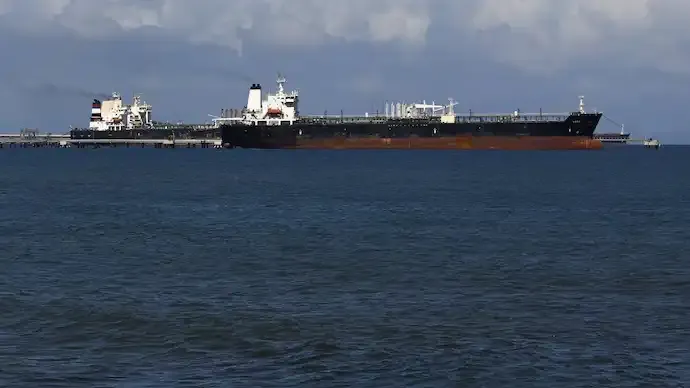

Indian authorities have seized three oil tankers sanctioned by the United States and allegedly linked to Iran, as part of efforts to prevent sanctions evasion and illegal maritime trade. The vessels were intercepted off the coast of Mumbai and escorted for further investigation, according to sources familiar with the matter.
The ships — Stellar Ruby, Asphalt Star, and Al Jafzia — were reportedly intercepted about 100 nautical miles west of Mumbai after suspicious activity was detected. Authorities later escorted the vessels to Mumbai for detailed inspection and verification.
Action Targets Sanctions Evasion and Ship-to-Ship Transfers
Officials believe the vessels may have been involved in ship-to-ship cargo transfers, a practice commonly used to conceal the origin of oil shipments and bypass international sanctions. Such transfers often occur in open waters, complicating tracking and enforcement efforts.

Sources indicated the tankers frequently changed identities and documentation to evade detection by maritime authorities. Their ownership structures are reportedly based overseas.
The operation reflects India’s effort to ensure its territorial waters are not used to facilitate illicit trade or sanctions circumvention.
Iran Denies Links to Seized Ships
Iranian state media quoted the National Iranian Oil Company as denying any connection to the vessels or their cargoes. Despite the denial, shipping data and previous sanction listings have linked similar vessels and identification numbers to networks associated with Iranian oil transport.
Data from maritime tracking services indicates that two of the ships had prior links to Iranian fuel shipments. One vessel reportedly transported fuel oil from Iran to Djibouti in 2025, while another had previously operated under Iranian registry.
Expanded Surveillance Across Maritime Zones
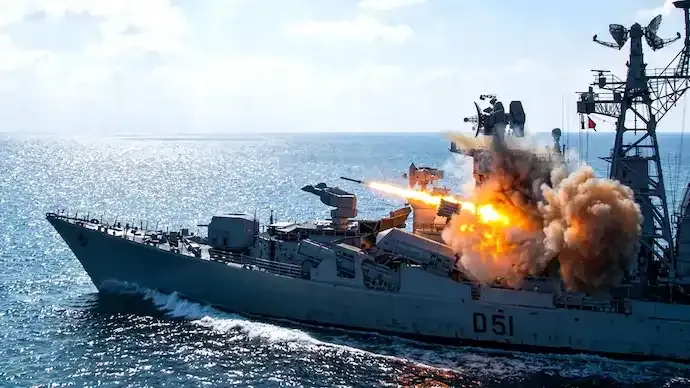
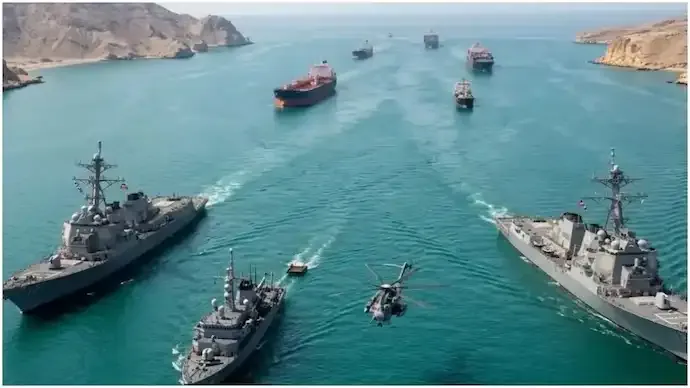
Following the interception, the Indian Coast Guard has significantly increased monitoring across India’s maritime domain. Reports indicate dozens of ships and multiple aircraft are conducting round-the-clock surveillance operations.
The enhanced vigilance aims to detect suspicious shipping activity and prevent unauthorized cargo transfers in Indian waters.
Global Sanctions Enforcement and Trade Implications
Sanctioned oil shipments are often traded at discounted prices due to legal and financial risks. Networks engaged in such trade typically rely on layered ownership, falsified documentation, and mid-sea transfers to obscure cargo origins.
The enforcement action comes amid shifting geopolitical and trade dynamics. Recent developments in global energy trade and sanctions enforcement have increased scrutiny of maritime routes across the Indian Ocean region.
Strategic Importance of Maritime Monitoring
India’s action underscores the strategic importance of monitoring sea lanes near major ports and shipping routes. The Arabian Sea remains a critical corridor for global energy transport and trade.
By strengthening surveillance and enforcement, authorities aim to safeguard maritime security, ensure compliance with international regulations, and prevent illicit commercial activities within Indian waters.






Conversation
Be kind and stay on topic. Comments are moderated; abuse, spam and personal attacks are removed. Report a problem