


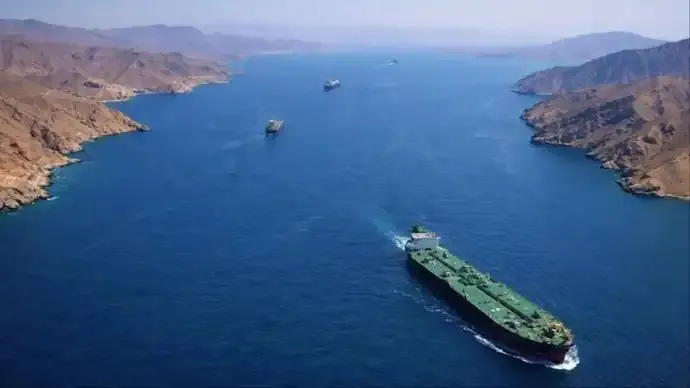
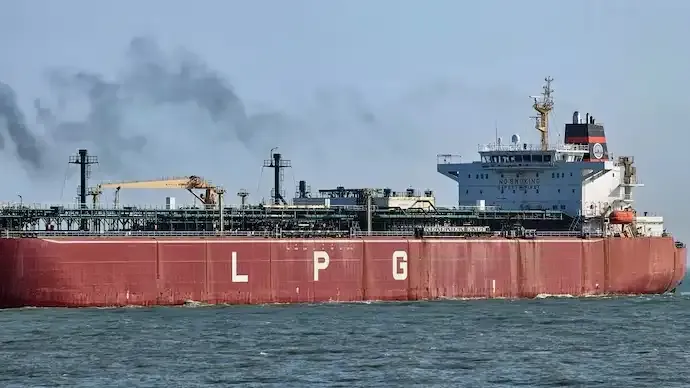
Iran-linked vessels are reportedly finding ways to bypass the American naval blockade in the Strait of Hormuz, raising serious concerns about the effectiveness of the operation.
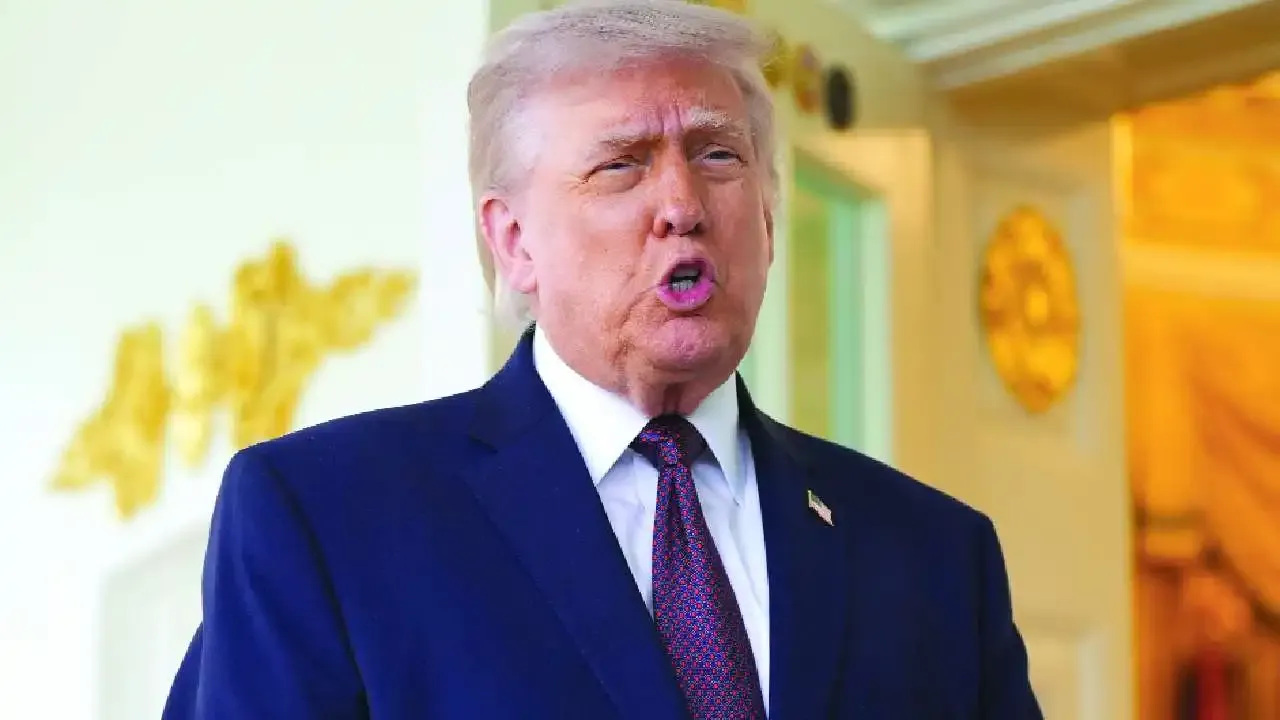
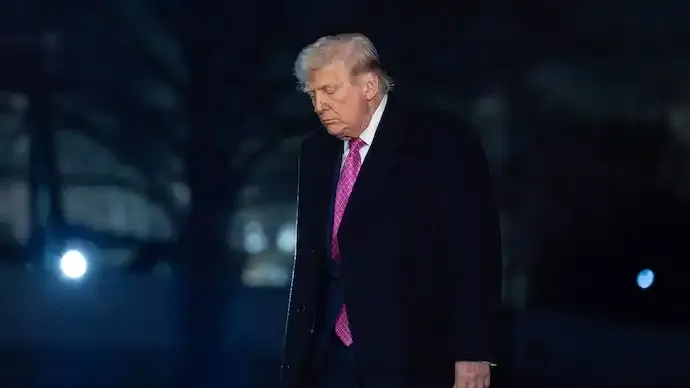
The blockade, announced by Donald Trump, aimed to restrict Iran’s oil and gas exports and challenge its influence over one of the world’s most critical maritime corridors.
However, early indications suggest that enforcement gaps are emerging, allowing some ships to slip through.

Use of “Shadow Fleet” and Deceptive Tactics
Experts say Iran-linked ships are adopting methods similar to Russia’s so-called “shadow fleet” to evade detection.
These tactics include:
- Switching off tracking systems (going “dark”)
- Using fake or cloned ship identities (“zombie IDs”)
- Changing vessel names and ownership records
- Mimicking routes of legitimate ships
Such strategies make it difficult for surveillance systems to accurately track and intercept vessels.
“Zombie IDs” and Identity Spoofing Explained
One of the most concerning tactics is the use of “zombie IDs,” where ships broadcast false identification signals.
This allows vessels to appear as completely different ships, often masking their origin or cargo details. By doing so, they can avoid scrutiny from naval forces and monitoring agencies.
This technique has increasingly been used in global maritime conflicts, especially in sanctions-related scenarios.
US Naval Build-Up Faces Early Challenges
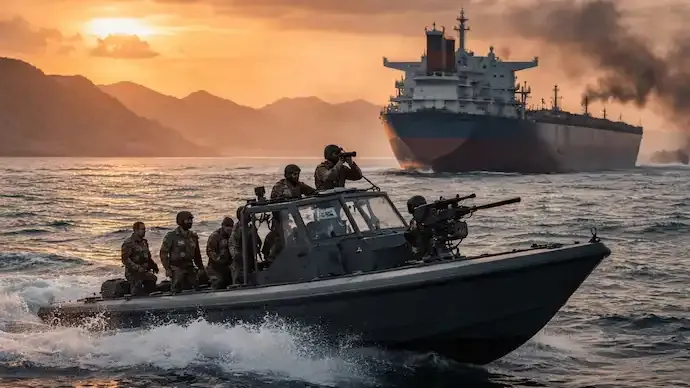
The United States deployed a significant military presence in the region, including thousands of troops, Marines, and air support, to enforce the blockade.
Despite this large-scale deployment, the ability of vessels to bypass restrictions within days of enforcement highlights the complexity of maritime monitoring in congested international waters.
Global Trade and Oil Supply at Risk
The Strait of Hormuz is a critical route for global oil transportation, with a large percentage of the world’s energy supply passing through it.
Any disruption—or evasion of enforcement—can impact oil prices, shipping costs, and global trade stability.
The situation is being closely watched by countries dependent on energy imports, including India.
Geopolitical Tensions Intensify
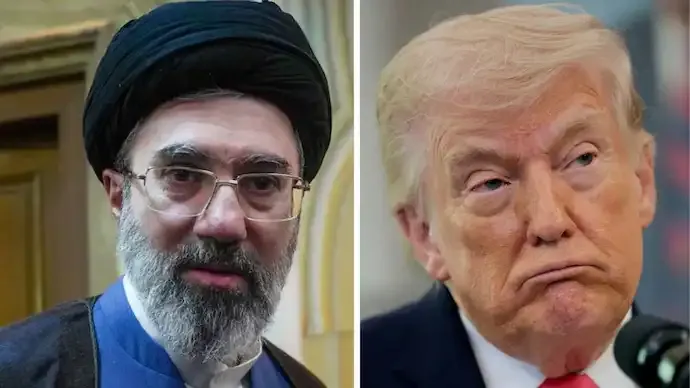
The ongoing developments underline rising tensions between the United States and Iran, with maritime security becoming a key battleground.
The use of advanced evasion tactics signals a shift in how countries navigate sanctions and blockades in modern geopolitical conflicts.
What Lies Ahead
As the situation evolves, both enforcement strategies and evasion techniques are expected to become more sophisticated.
The effectiveness of the blockade will depend on how quickly authorities adapt to these tactics and strengthen monitoring systems.



Conversation
Be kind and stay on topic. Comments are moderated; abuse, spam and personal attacks are removed. Report a problem