

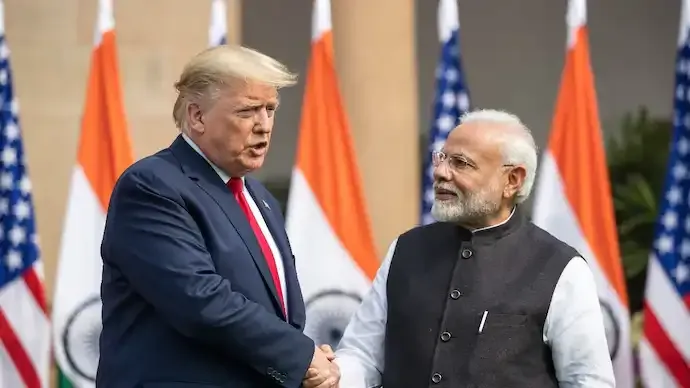

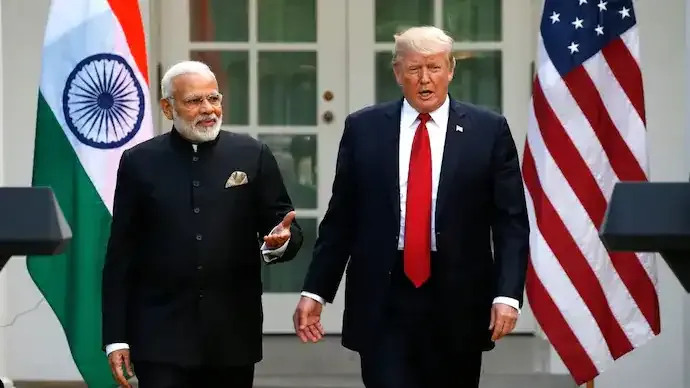
India and the United States have taken a significant step toward finalising a long-anticipated bilateral trade agreement, with both countries agreeing on the broad contours of the deal and now working to convert them into a formal legal framework.
Officials confirmed that negotiations have entered a critical phase focused on drafting the legal text that will govern the agreement once it is signed.
Broad Agreement Reached, Legal Drafting Underway
Commerce Secretary Rajesh Agrawal stated that a joint statement outlining the structure and scope of the agreement has already been finalised. The next stage involves translating these agreed principles into a legally binding document.

He noted that virtual engagements between the two countries have been ongoing and discussions will intensify in the coming days to complete the drafting process.
Chief Negotiator to Lead Talks in Washington
India’s chief negotiator Darpan Jain is scheduled to travel to Washington, DC next week to continue negotiations and accelerate work on the legal framework.
Officials familiar with the discussions indicated that both nations are working toward completing the legal agreement by March 2026. While this timeline is being targeted, negotiators are prioritising accuracy and mutual alignment over strict deadlines.
Tariff Adjustments Under Consideration
As part of the evolving agreement, tariff adjustments are also being processed. According to officials, certain duties are being reviewed for reduction, with rates expected to move from 25% to around 18% in select categories.
The tariff rationalisation process is progressing and may be finalised soon, potentially within the week.
Strategic Importance of the Trade Agreement
The proposed trade pact is expected to strengthen economic ties between the world’s two largest democracies and enhance bilateral trade flows.
Key expected benefits include:
-
Improved market access for goods and services
-
Reduced trade barriers and tariff burdens
-
Greater regulatory cooperation
-
Strengthened supply chain resilience
-
Enhanced investment opportunities
The agreement also aligns with broader efforts to deepen strategic and economic cooperation amid shifting global trade dynamics.
Strengthening Economic Partnership
India and the United States have steadily expanded trade and investment ties over the past decade. The new agreement aims to address longstanding trade concerns while creating a more predictable and transparent business environment.
The focus on finalising legal provisions reflects both countries’ commitment to ensuring clarity, enforceability, and long-term stability in bilateral trade relations.
As negotiations move forward, stakeholders across industries will closely monitor the final provisions, which are expected to shape trade, investment, and economic cooperation between the two nations for years to come.



Conversation
Be kind and stay on topic. Comments are moderated; abuse, spam and personal attacks are removed. Report a problem